Creating a performance based on real lives requires a delicate balance of storytelling and truth, making something entertaining while also remaining respectful- these are real people's stories. Our recent project focused on capturing the lived experiences of healthcare workers through verbatim theatre. This approach is designed to build respect and trust with the audience by ensuring the history we present is authentic and unfiltered.
Verbatim Theatre…what is it and why is it important?
Verbatim theatre is a form of documentary style drama that is built entirely from the real words of real people. Unlike traditional playwriting, where a writer creates dialogue to serve a plot, a verbatim playwright acts more like an editor or a curator. They take raw material, usually from interviews, transcripts, or recorded testimonies and arrange it into a dramatic structure.
Below is a detailed breakdown of its core components and why it was such an essential component of our project:
1. The Collection of Testimony
The process begins with "fieldwork." This involves conducting deep-dive interviews with subjects (like our interview with Jenny). The goal is to capture not just the facts of a story, but the specific way a person speaks, their hesitations, their humor, and their unique vocabulary.
2. Performance Techniques
There are two main ways verbatim theatre is performed:
● Traditional Verbatim: Actors memorise the edited transcript and perform it like a standard play.
● Recorded Delivery (Headphone Verbatim): Actors wear headphones on stage and hear the actual recording of the interviewee. They repeat the words exactly as they hear them in real-time including every "um" "ah," and breath. We chose the former to create a more lived in piece as opposed to something that could become quite robotic.
3. Why it is Important
Verbatim theatre is often called "theatre of witness." It is important for several reasons:
● Giving Voice: It allows people who are often left out of history books (like everyday ward nurses) to have their stories told to the community.
● Audience Connection: Because the language is natural and real, it is incredibly easy to understand. It breaks down the barrier between the "expert" and the "audience," making the history timely and relevant.
The Podcast Room: Capturing the Unfiltered Voice
To ensure our project maintained the highest level of respect and trust, we conducted our interview with Jenny in a dedicated podcast room. We took advantage of the high-quality audio to capture every nuance of her speech. If the source material is clear, the final product is more professional.
By recording the session, we were able to:
Capture every detail: From any specific medical terminology to the subtle pauses in her storytelling.
Transcribe for accuracy: Having a written record allowed us to move away from memory and rely on the exact real words provided.
Maintain a consistent tone: Seeing the words on paper helped us identify the unique voice of a nurse that would eventually drive our script.
The Transcript Discovery: Sifting for ‘Gold’
A fascinating part of the process was the shift between the live interview and the transcription phase. During the actual conversation in the podcast room, it felt difficult to pick out standalone stories. The flow of natural speech can be messy and winding. However, once we began sifting through the transcript, clear narratives started to emerge.
This is a common challenge in creating well-structured and concise content. While the big stories weren't immediately obvious, the transcript was filled with:
● Vivid Phrases: Short, punchy sentences that perfectly captured the atmosphere of the ward.
● Hidden Ideas: Small details about daily routines that, when isolated, became powerful dramatic hooks.
Turning the large bits of text into a scene
Just as a blog post needs to avoid walls of text, a verbatim script needs to be edited for impact. We acted as curators of Jenny's memory. By picking out specific sentences and ideas from the transcript, we were able to:
Solve the Interest Problem: We took fragments of conversation and organised them into a useful and educational scene.
Build a Narrative: We used internal links within her own words, connecting a comment she made at the start of the interview to a conclusion she reached at the end.
Reflective Note: This process taught me that the story isn't always what is said loudest, often it’s found in the small, quiet sentences uncovered during the transcription process.
Scripting the Scene: Humour as a Historical Tool
In our interview, Jenny mentioned that using humour was a vital coping mechanism for nurses who were often intimidated by their senior staff.
To reflect this in our performance, I decided to center a scene around a particularly bizarre moment from her career: the mystery of the "grassy" bedpan.
Finding the Story in the Words
Although the scene is not an exact word-for-word transcript, it is a story created around her words to capture the authentic atmosphere of the ward. This approach helps to build authority and trust by grounding the drama in real-life industry insights.
Key elements of the "Grapefruit Poo" script include:
● The Problem: Jenny discovers "grassy stuff" in a patient’s bedpan that baffles her and her colleagues.
● The Conflict: The fear of the "Ward Sister," whose authority made the younger nurses hesitant to ask for help.
● The Resolution: A quick, blunt diagnosis from the Sister, it was simply undigested grapefruit.
To make the performance engaging, I focused on a couple of technical elements:
● Well-Structured Narrative: The scene follows a clear arc, from the initial discovery to the humorous investigation involving multiple nurses.
● Consistent Tone: By maintaining Jenny's lighthearted yet slightly panicked tone during her encounter with the Ward Sister, I ensured the script felt timely and relevant to her actual experiences.
Why This Scene Works
By dramatising this mystery, we aren't just telling a funny story, we are answering a question about what daily clinical observation was really like, from patient interaction, colleague discussions and even the fearsome ward sister.
The Final Act: Stepping into Jenny’s Shoes
The transition from the podcast room to the stage brought a new set of challenges, specifically regarding respect and trust. In our performance, I took on the role of Jenny herself. This was a significant responsibility- when you use someone’s real words to create shareable content, you are essentially acting as the custodian of their history.
Nerve-wracking Reality:
Performing a scene like the "grapefruit poo mystery" while the woman who lived it is sitting just a few feet away is incredibly daunting. My primary goal was to ensure a consistent tone and style that honored Jenny’s experience. I didn't want to just play a character; I wanted to represent her profession with the credibility it deserves.
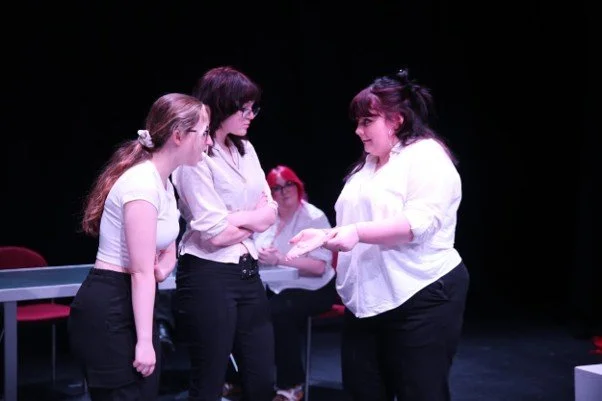
Useful Feedback
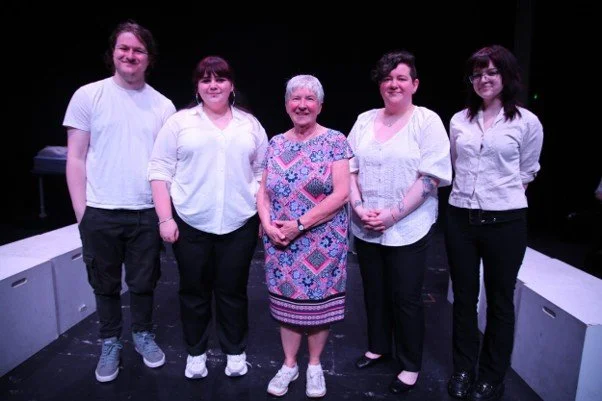
Talking to her after the performance allowed us to see if we had successfully translated her "grassy stuff" story into a piece that was as entertaining and reliant on her humour that we'd hoped it would be.
Final Reflections: More Than Just a Story
Reflecting on this journey, from the quiet of the podcast room to the energy of the live performance has highlighted the unique power of verbatim theatre to inform, educate, and inspire. By focusing on the real words of healthcare professionals like Jenny, we’ve been able to bridge the gap between years of medical history and the lived human experience.
As I spoke with Jenny after the performance, I realised that we hadn't just performed a play, we had created a living archive. By maintaining a consistent tone and style, we ensured that her memories were treated with the respect and credibility they deserve. Moving forward, I am more convinced than ever that the best way to keep history alive is to simply listen and then share those voices with the world.
Bibliography
Out of Joint (n.d.). Verbatim Theatre | Out of Joint. [online] www.outofjoint.co.uk. Available at: https://www.outofjoint.co.uk/education/verbatim-theatre.html.