SIR ASTLEY COOPER
Astley Paston Cooper was born on 23 August 1768, the sixth of ten children, to parents Maria Susanna Bransby, an author of children’s and epistolary novels, and Samuel Cooper, an ordained priest. The family lived in Norfolk, moving from Shotesham to Great Yarmouth. An obituary for Cooper gives a story that supposedly inspired him to become a surgeon:
‘A boy was thrown from a cart in young Cooper’s presence, and wounded the femoral artery. Great hemorrhage ensued. Cooper immediately went to his relief, and, with great presence of mind, instantly made his handerchief into a tourniquet, and applied it so scientifically to the thigh as to succeed effectually in stopping the further flow of blood, and which would otherwise in a few minutes have proved fatal’.
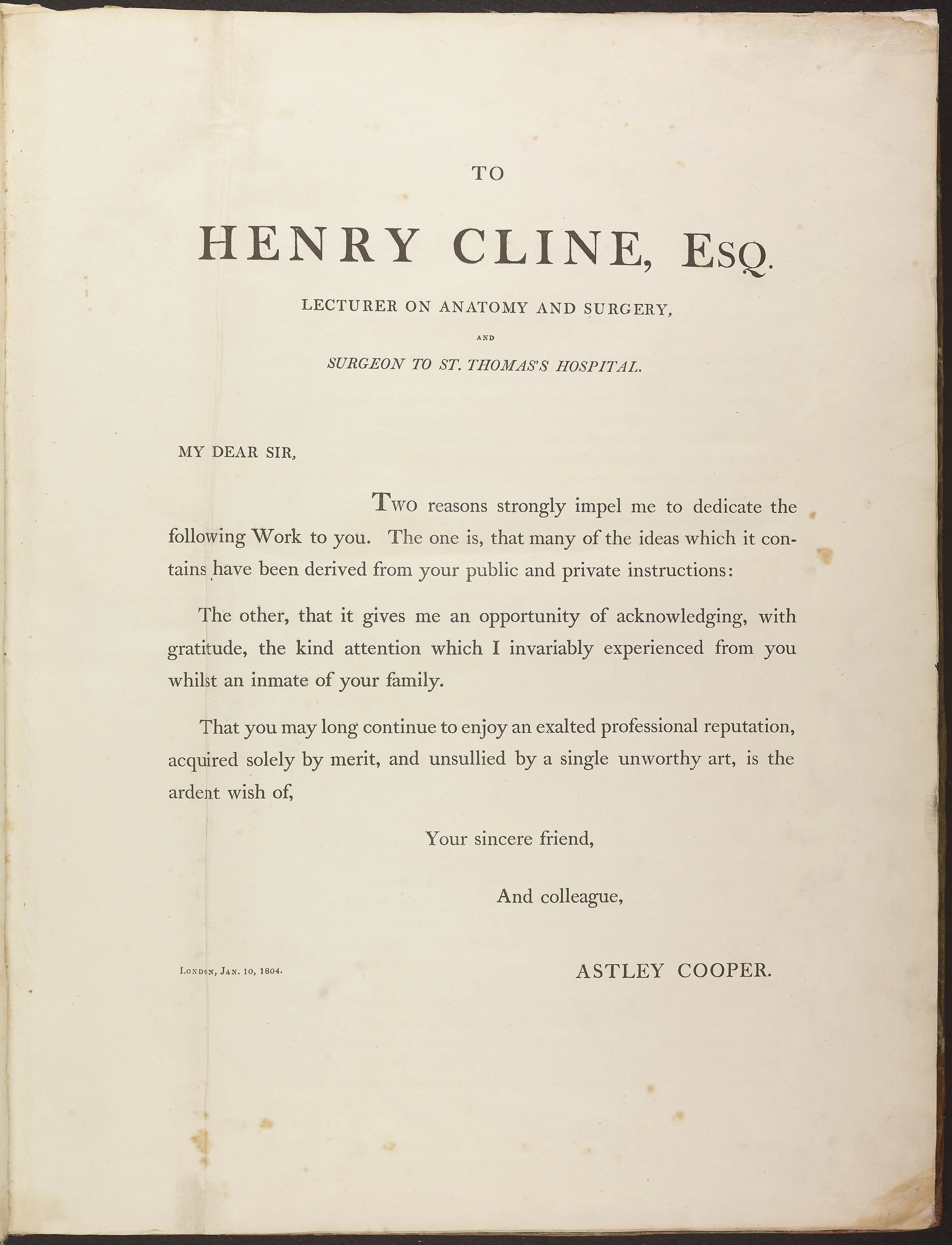
At age 15, Cooper was apprenticed to Mr. Turner, a surgeon apothecary, in Great Yarmouth, and later went to London, to be apprentice to his uncle William Cooper, at Guy’s Hospital. He went on to study under the tutelage of Henry Cline, surgeon at St Thomas Hospital. He became an avid student of anatomy, attending lectures by John Hunter. In 1789, he was appointed as a demonstrator of anatomy at the hospital, becoming joint lecturer of anatomy and surgery alongside Cline. Cooper’s lectures were supposedly attended by ‘the largest class of medical students ever known in London’, and one of his students was the poet John Keats. Upon the death of his uncle, William Cooper, he was appointed as surgeon to Guy’s Hospital, in 1800.
In 1791, Astley Cooper married Ann Cook, and the couple had one daughter, who died in infancy. Cooper commenced practice in 1792, residing at Jeffrey’s Square, and later at New Broad Street. His wife Ann died in 1827, and Cooper remarried in July 1828 to Catherine Jones.
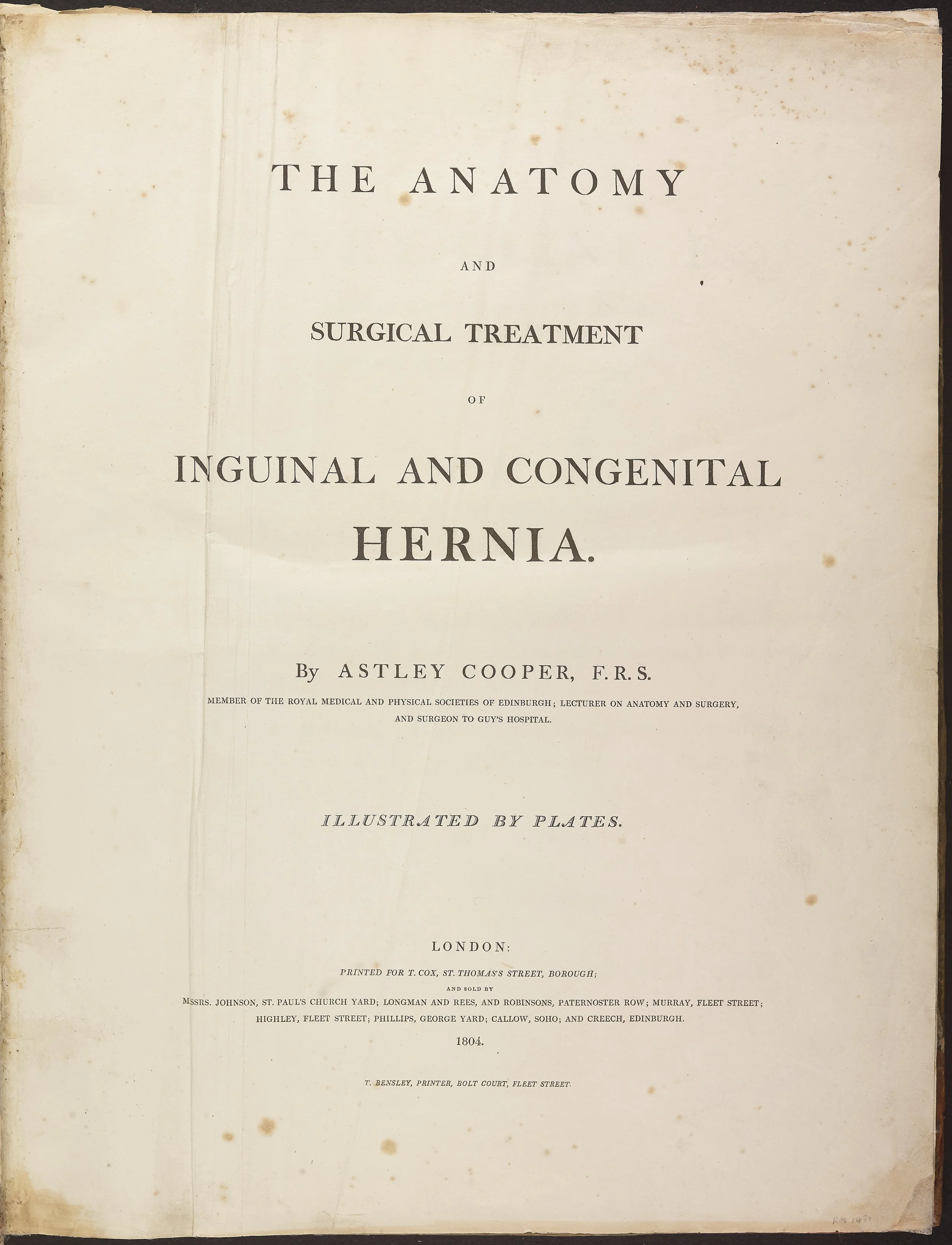
In 1804 and 1807 respectively, Cooper published his volumes on the medical condition of hernia, which significantly furthered his career and renown. In 1813, he became a professor at the Royal College of Surgeons.
Cooper’s most well-known patient was King George IV, whose infected cyst was removed from his scalp in 1820. He later received a baronetcy, and was appointed sergeant surgeon to George IV in 1828, carrying out the autopsy upon the king’s death. He retained his position for William IV, and for Queen Victoria in her youth. He served as president of the Royal College of Surgeons on multiple occasions, and became vice-president of the Royal Society. He was one of the founders of the Medical and Chirurgical Society of London, established in 1805, later becoming its president in 1819. Astley Cooper died on 12 February 1841 at the age of 72 in London, of heart failure.
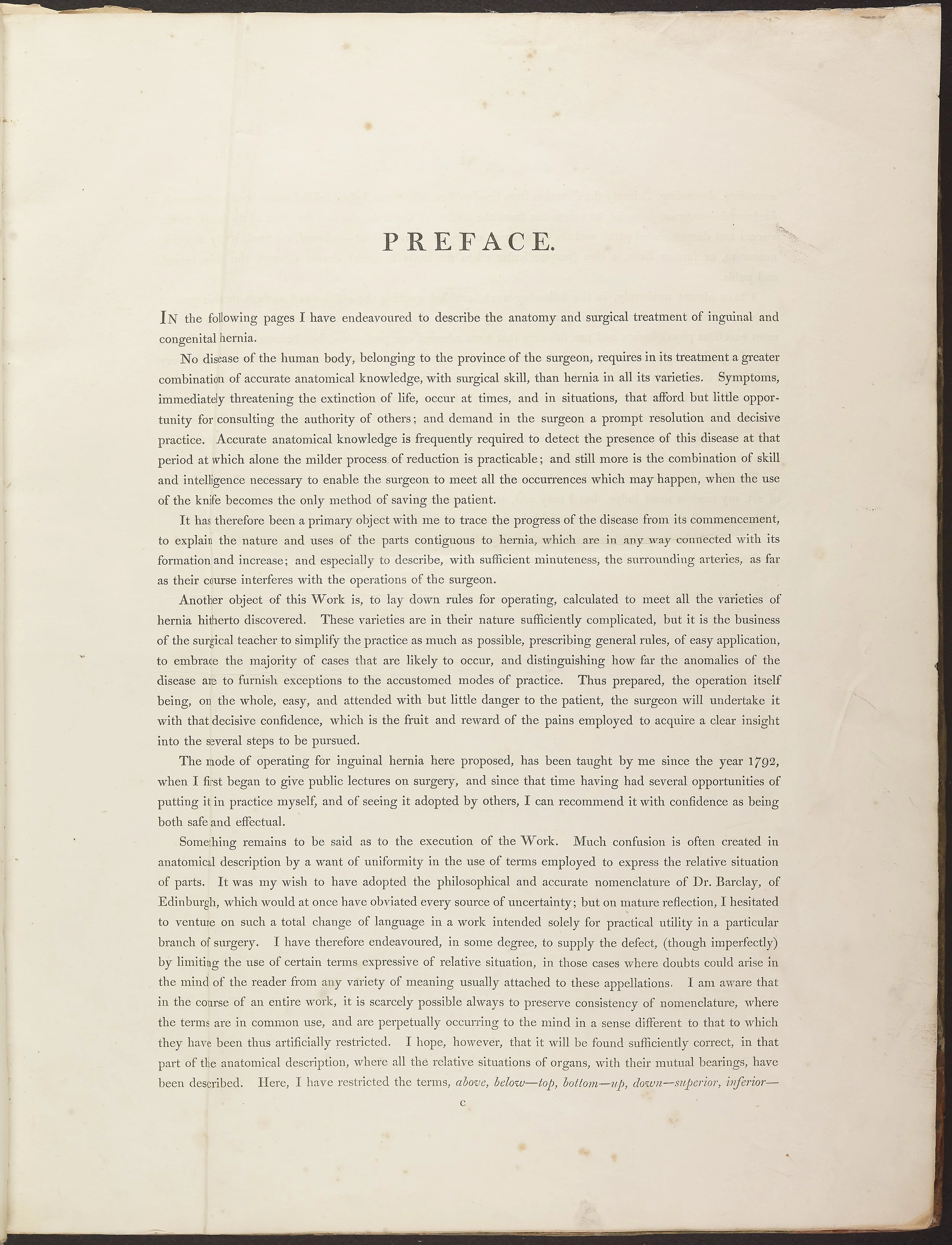
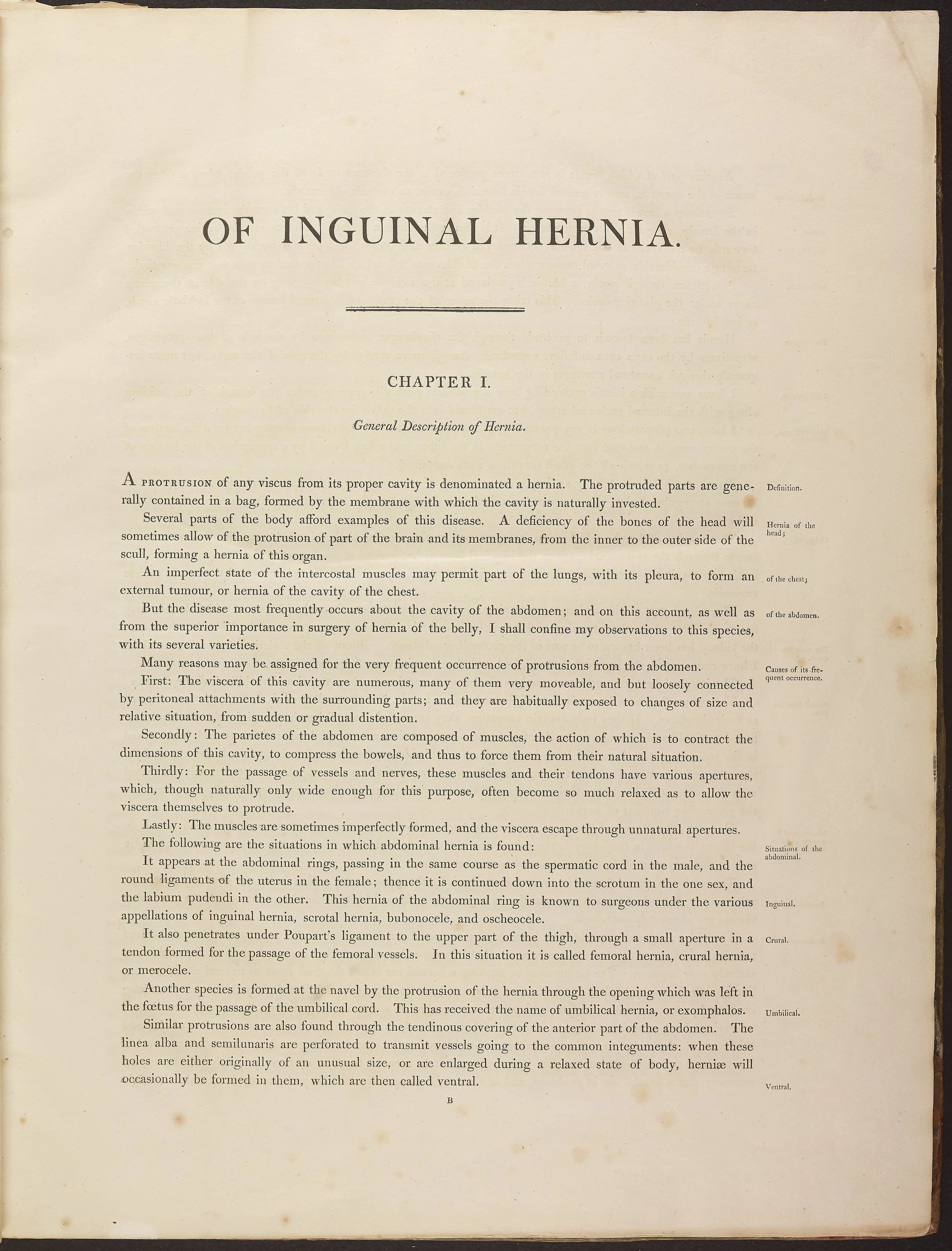
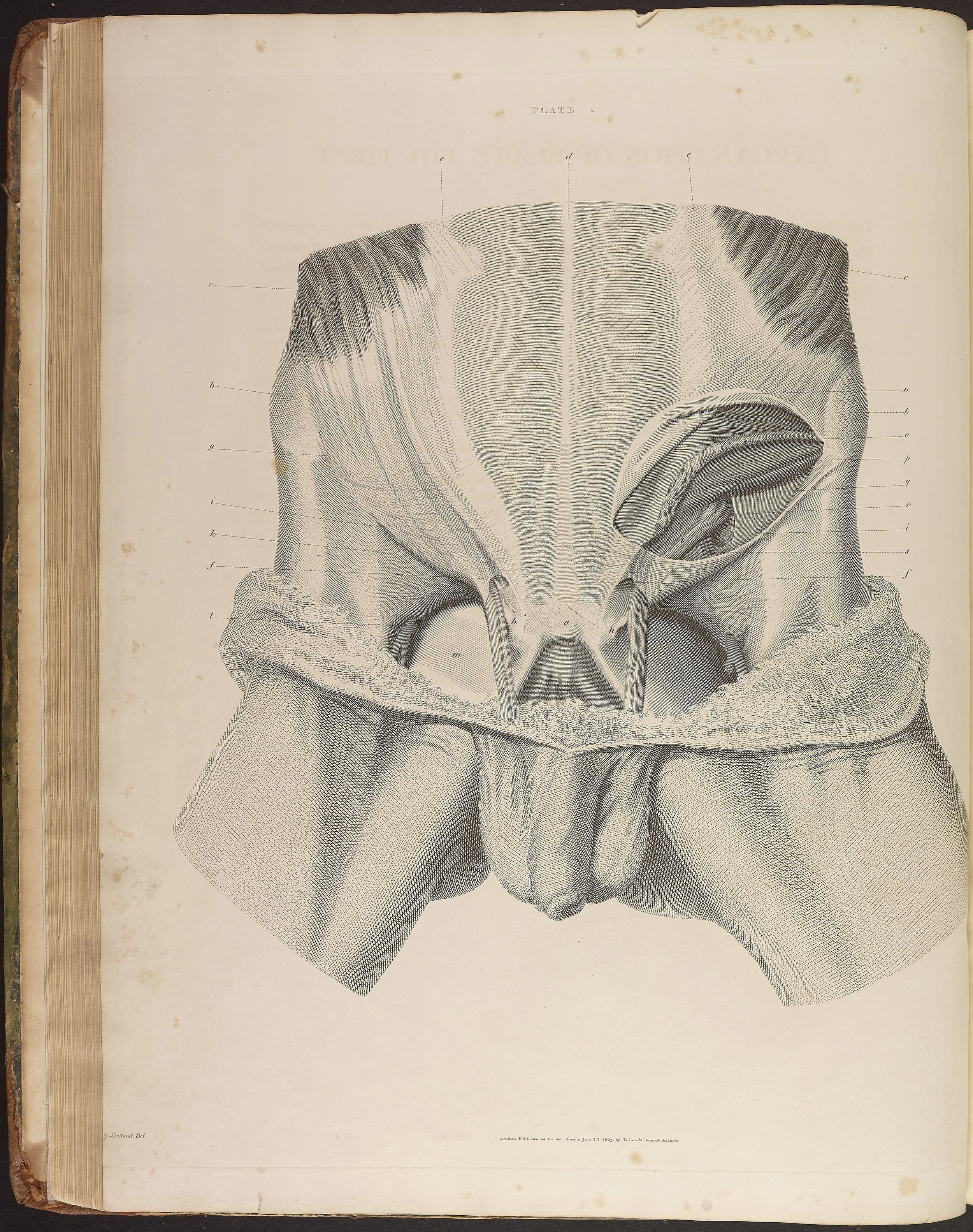
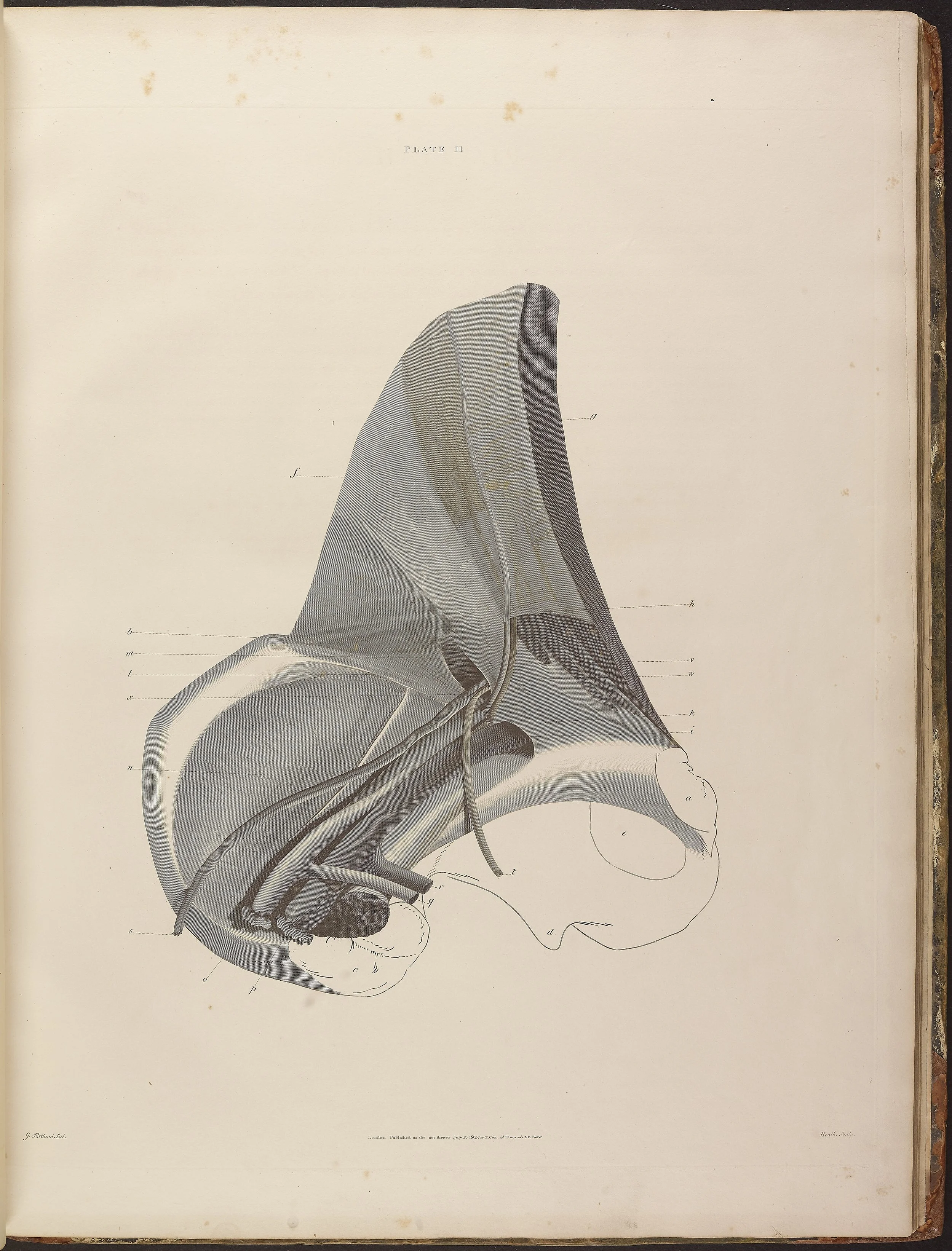
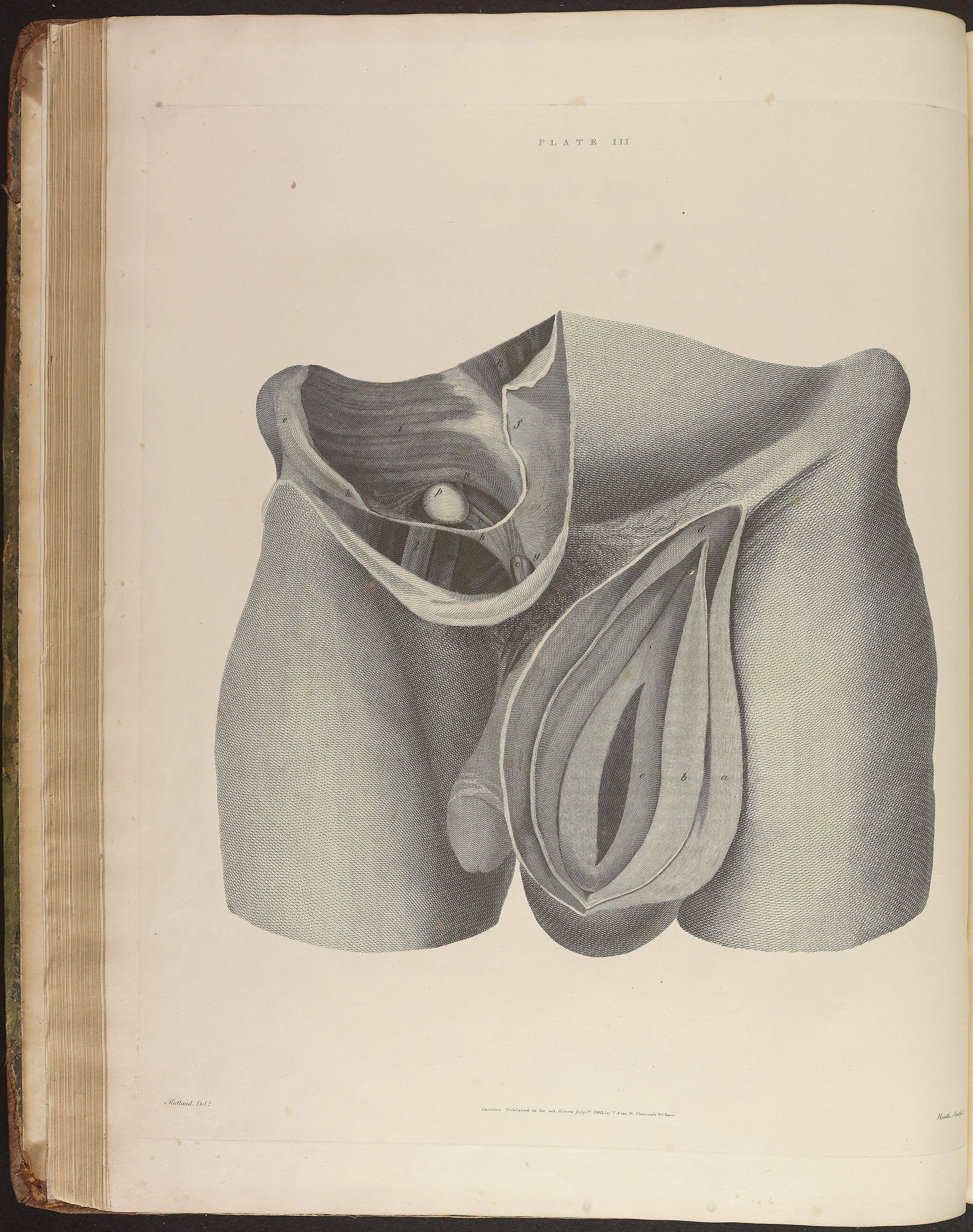
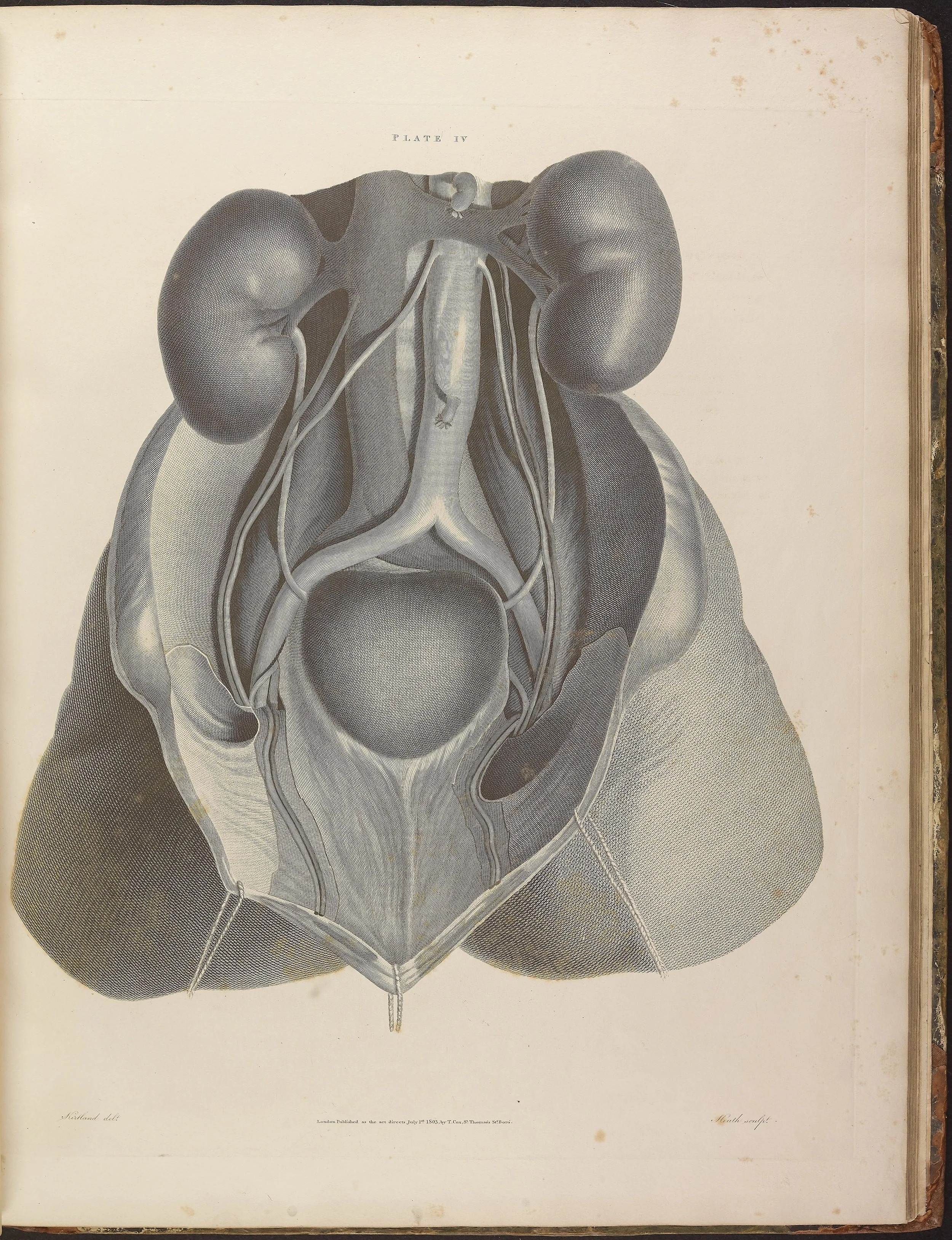
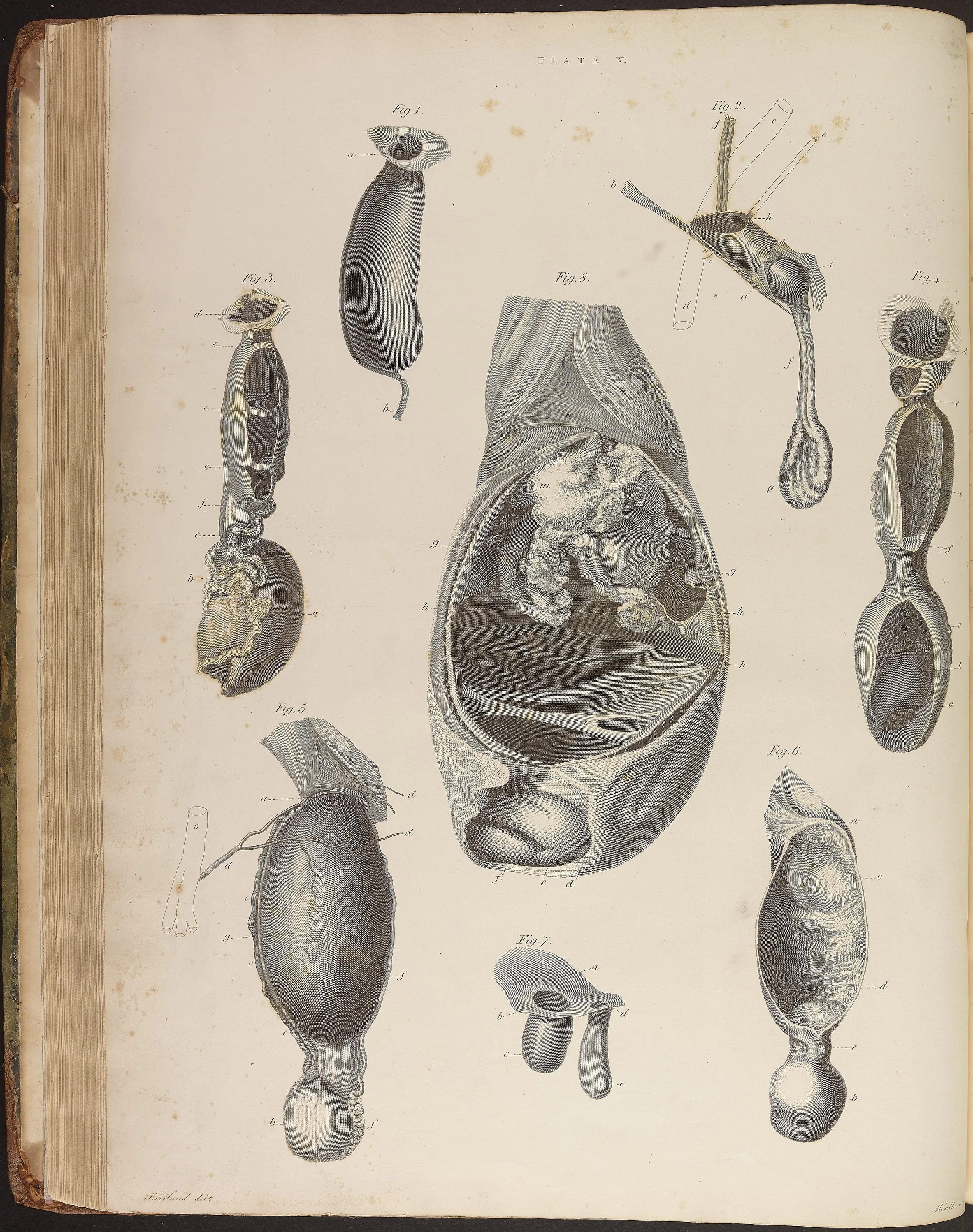
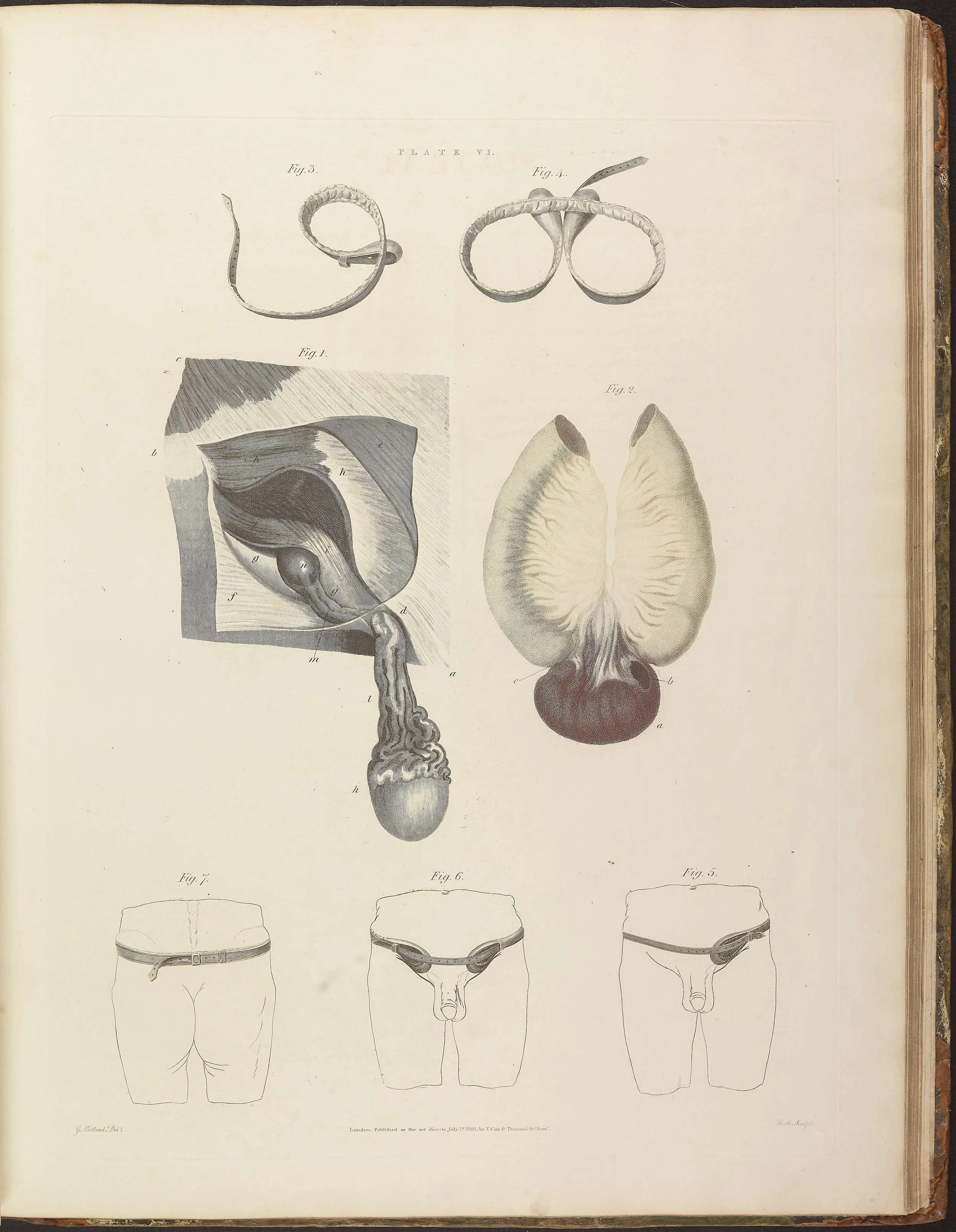
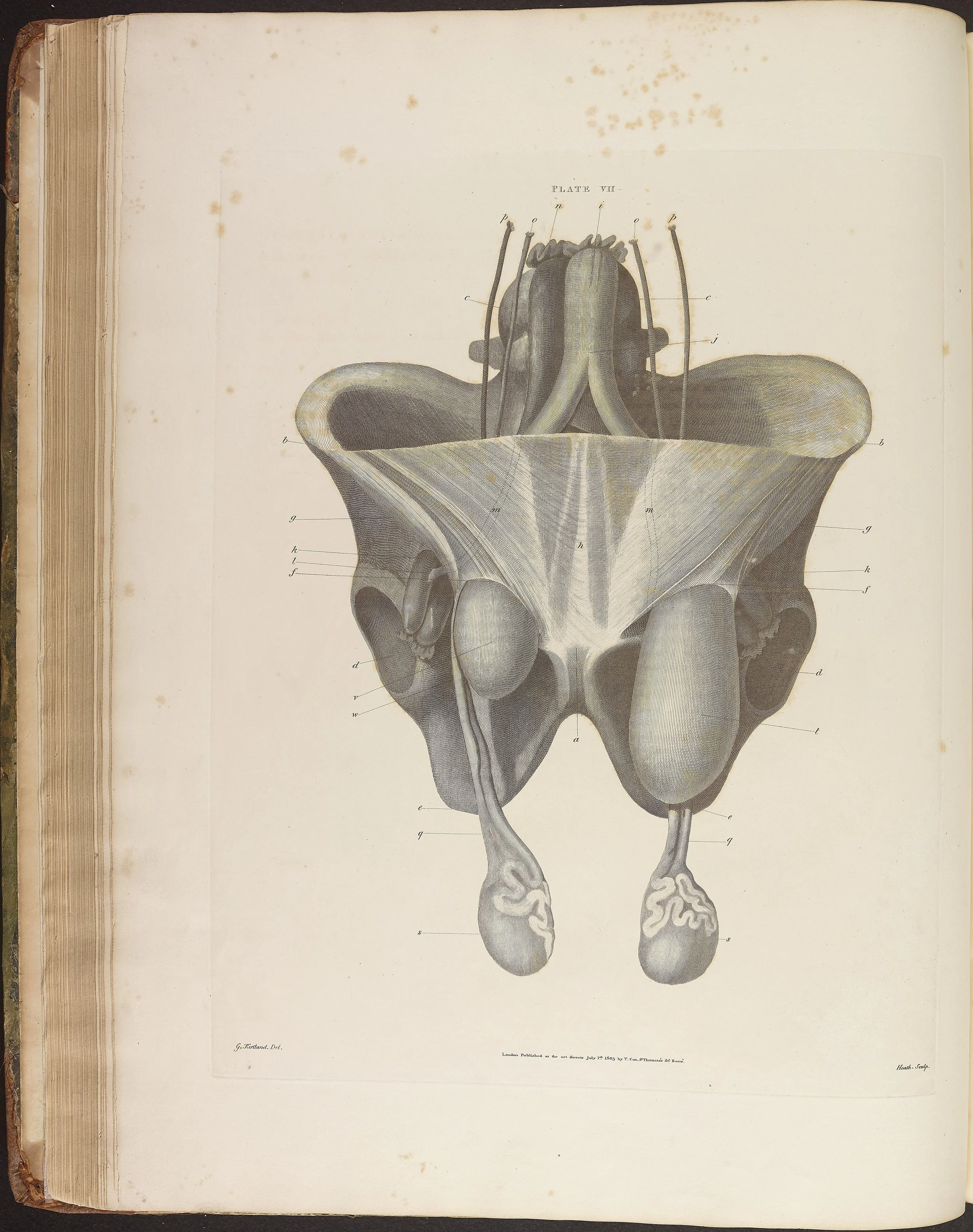
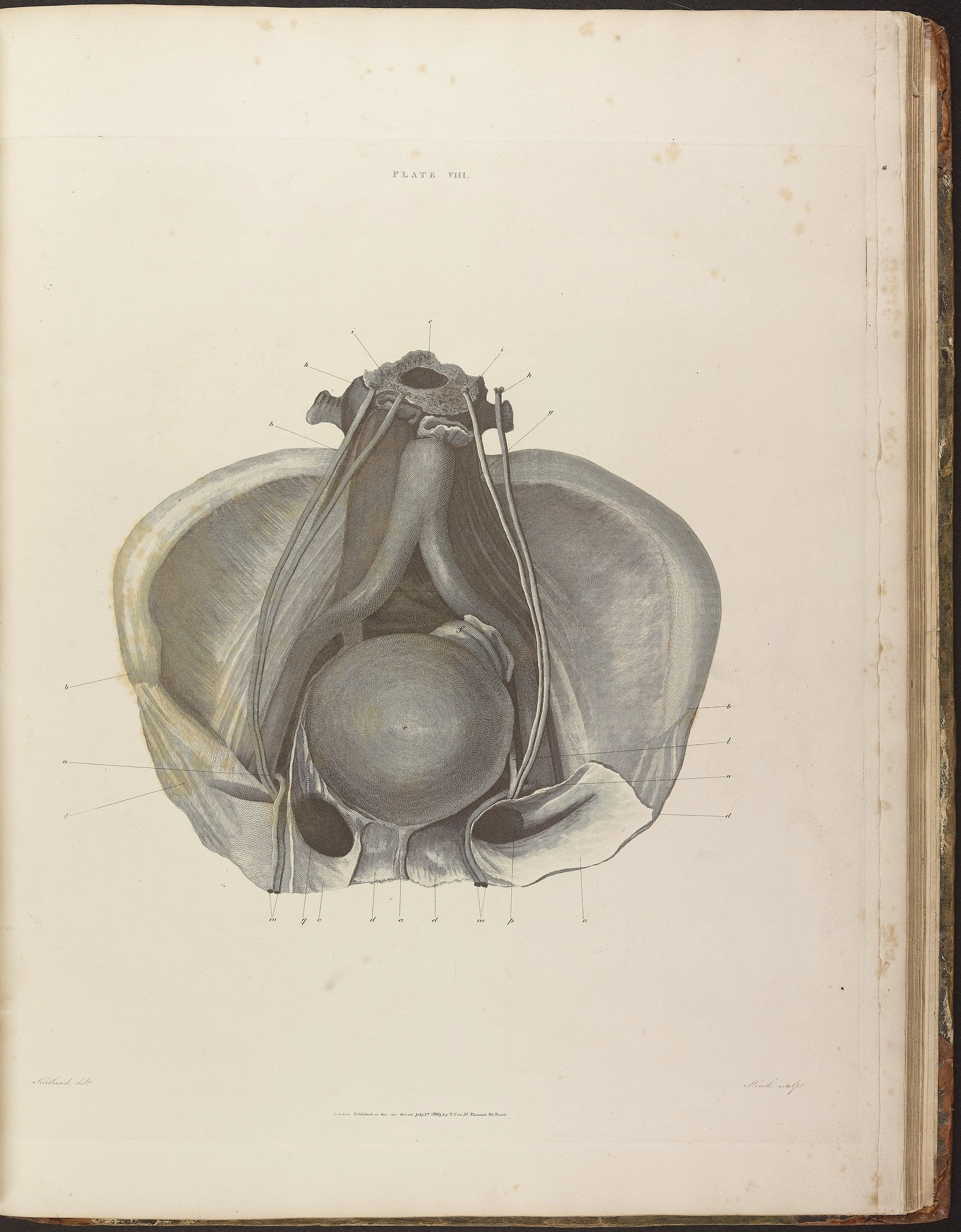
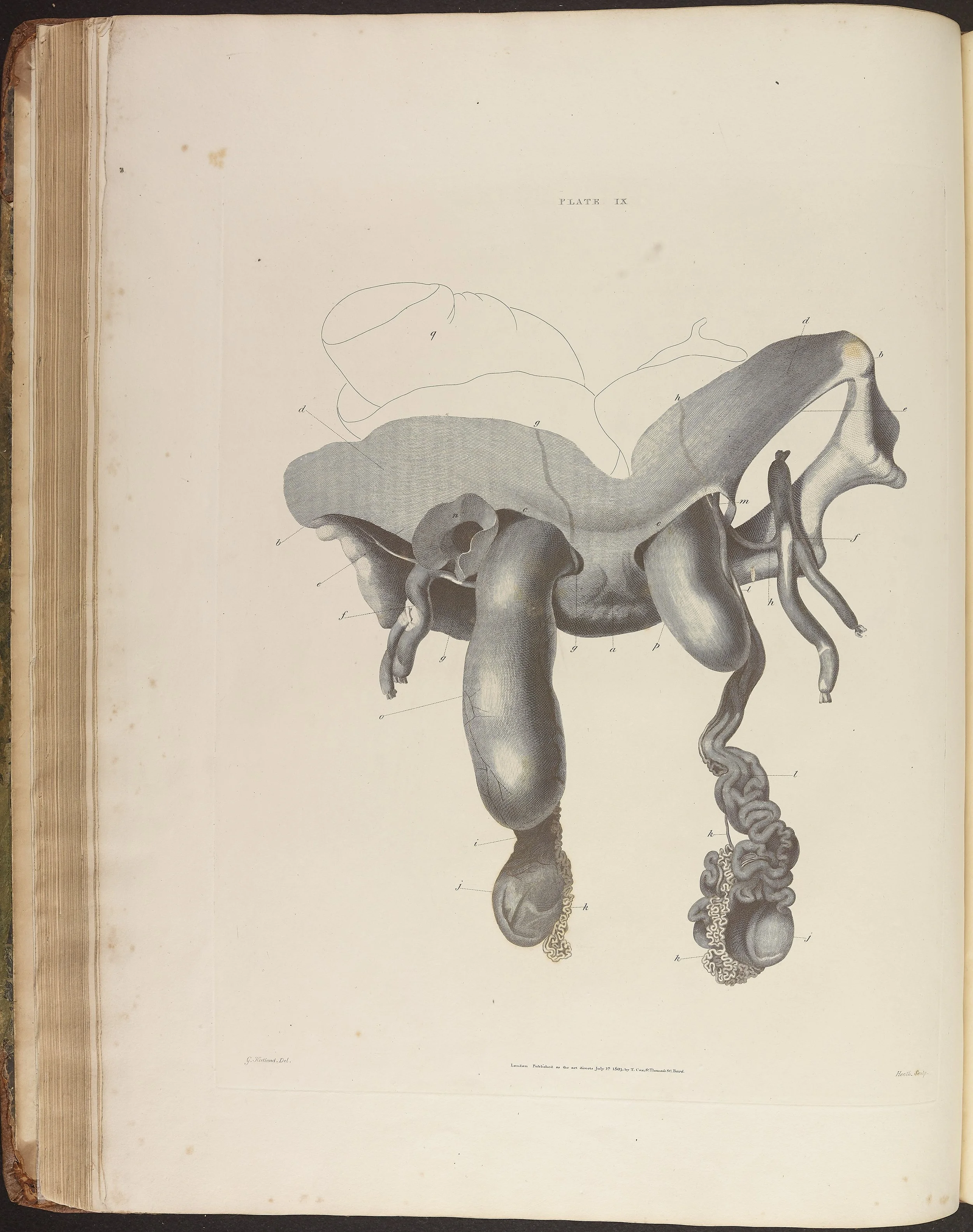
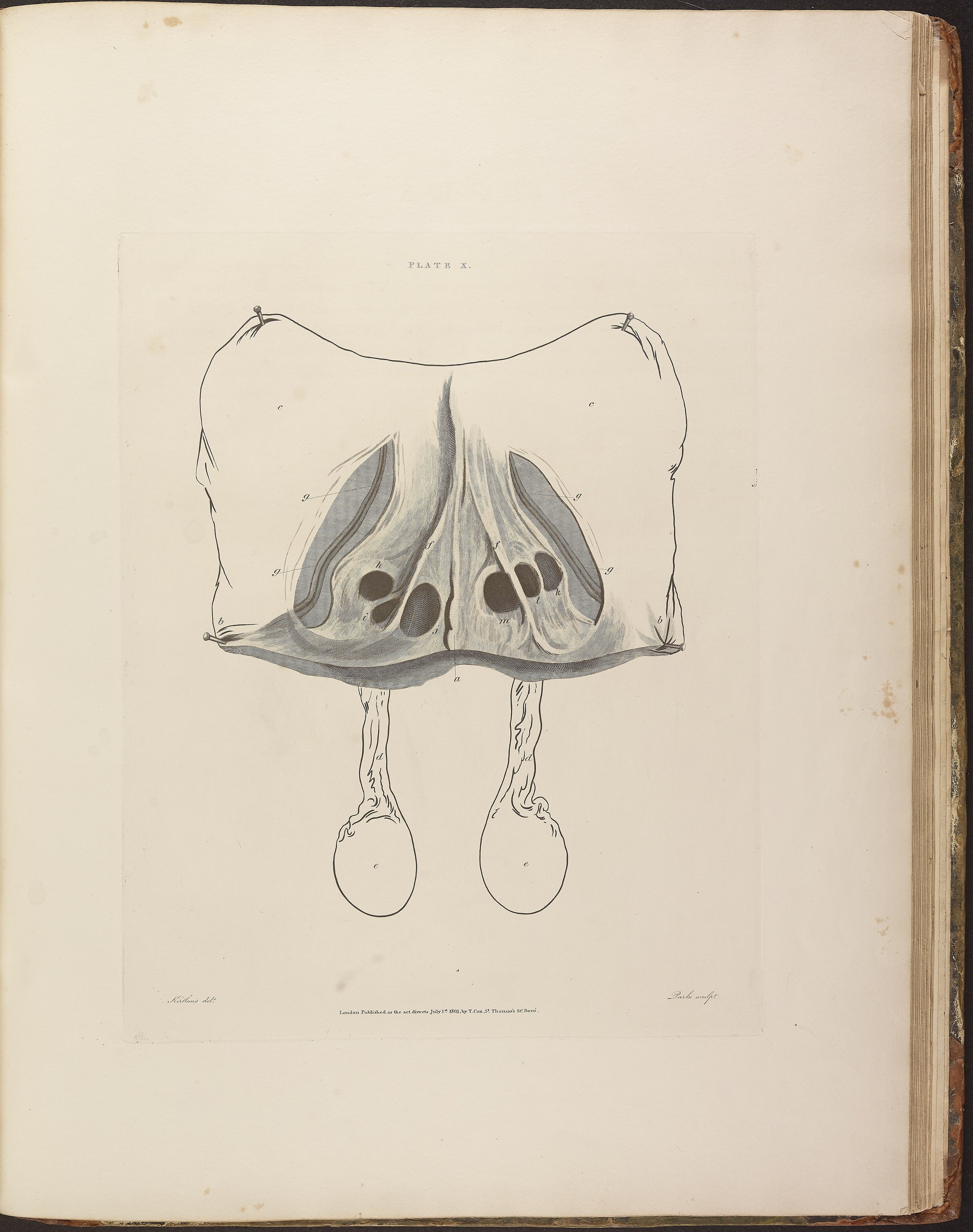
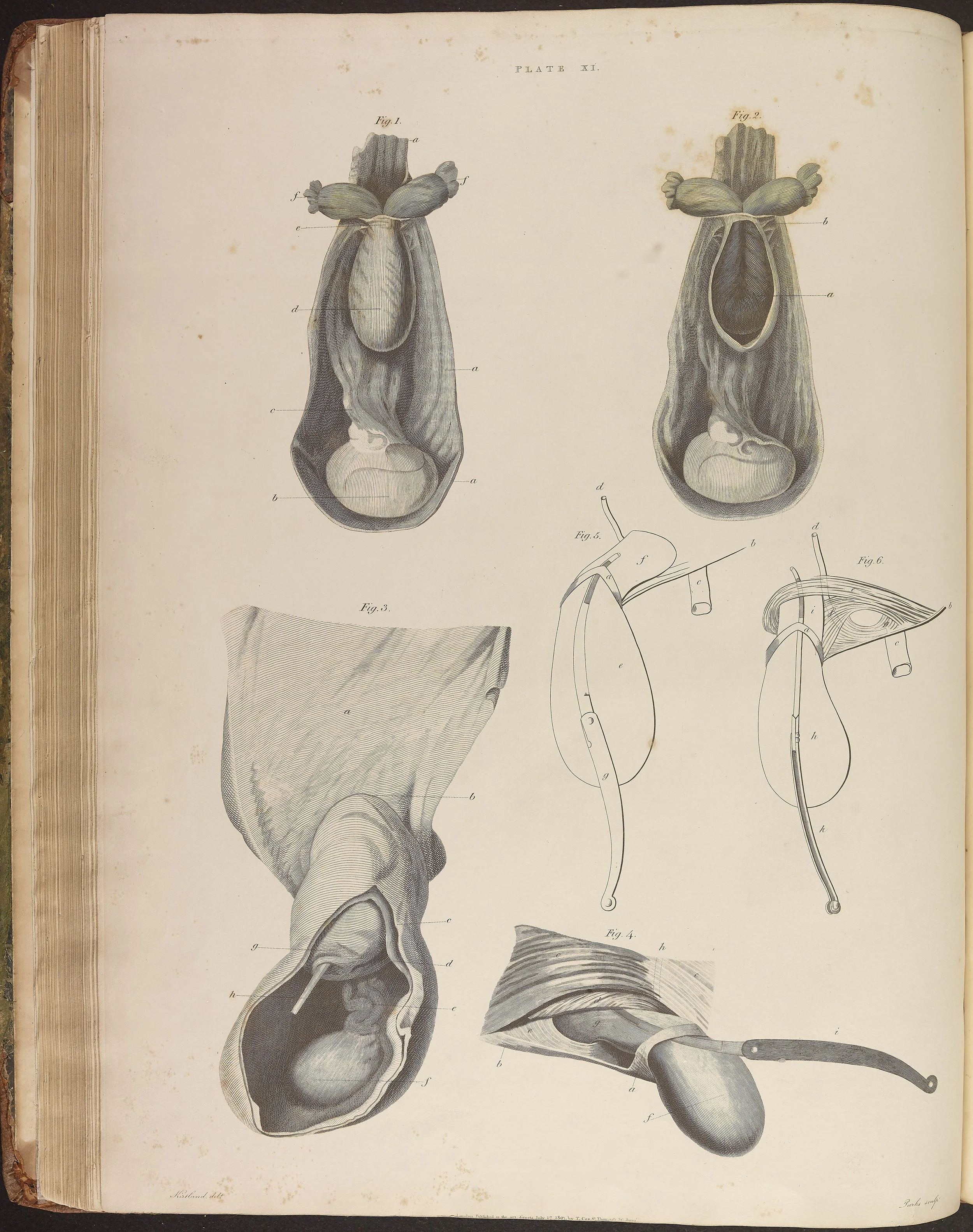
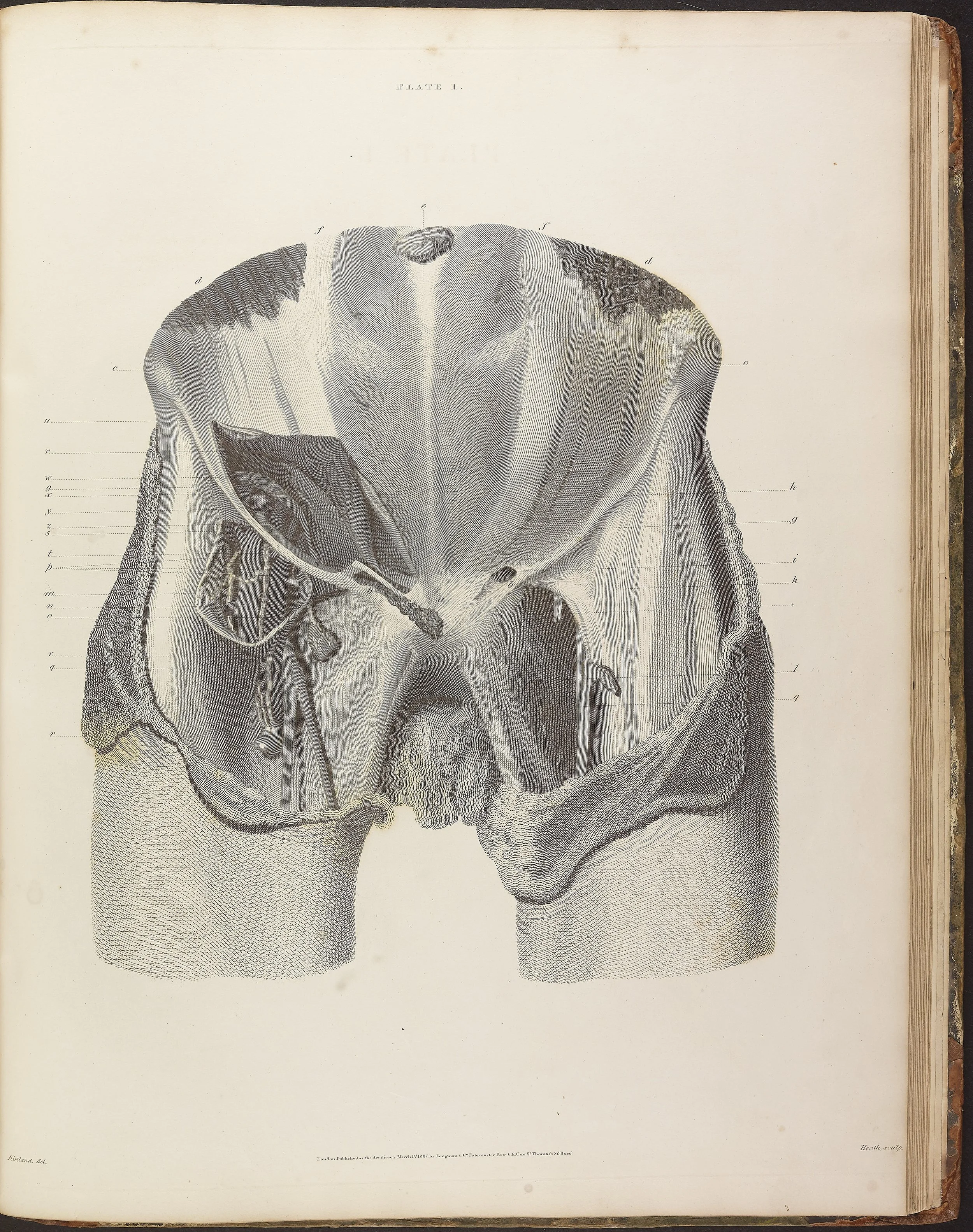
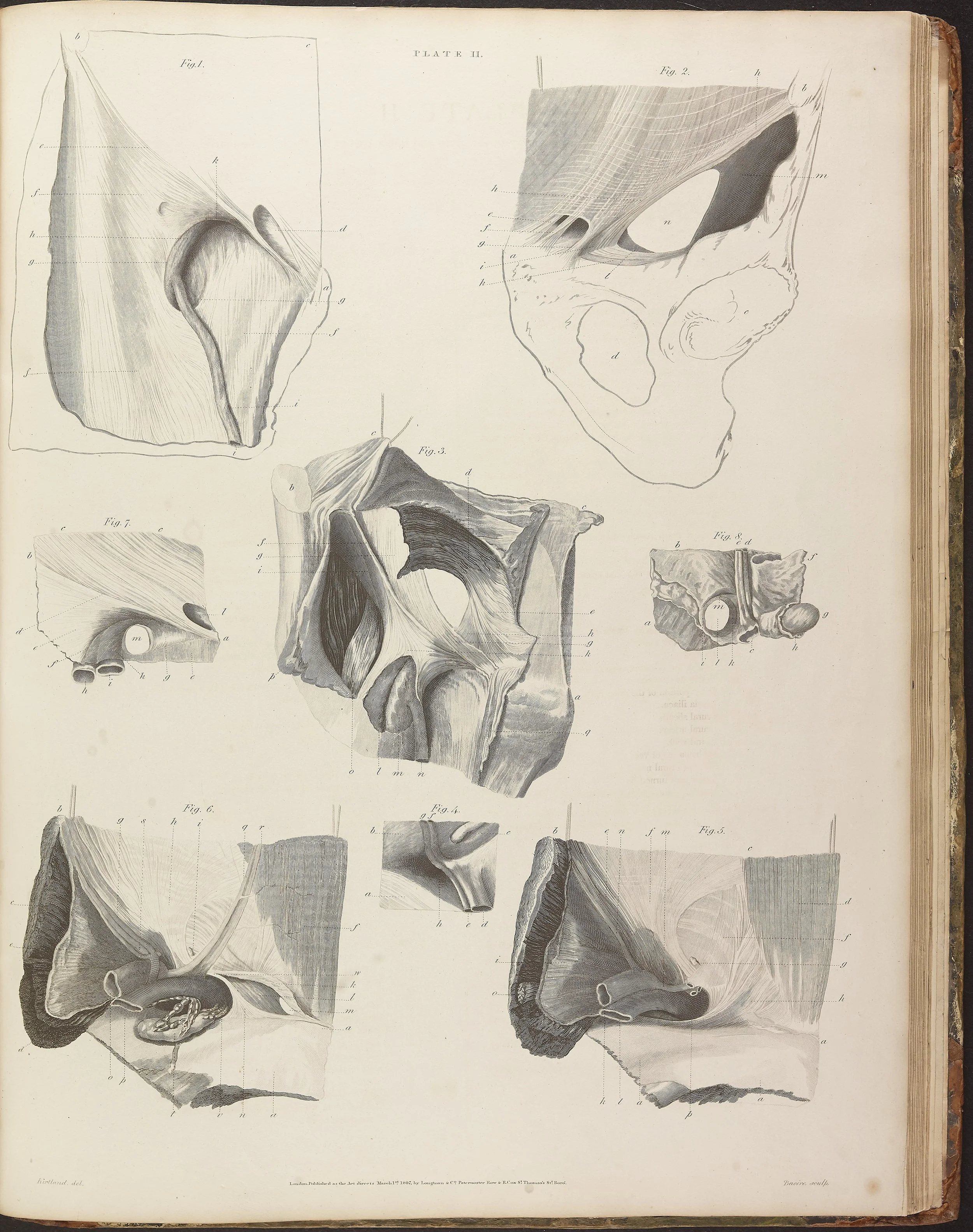
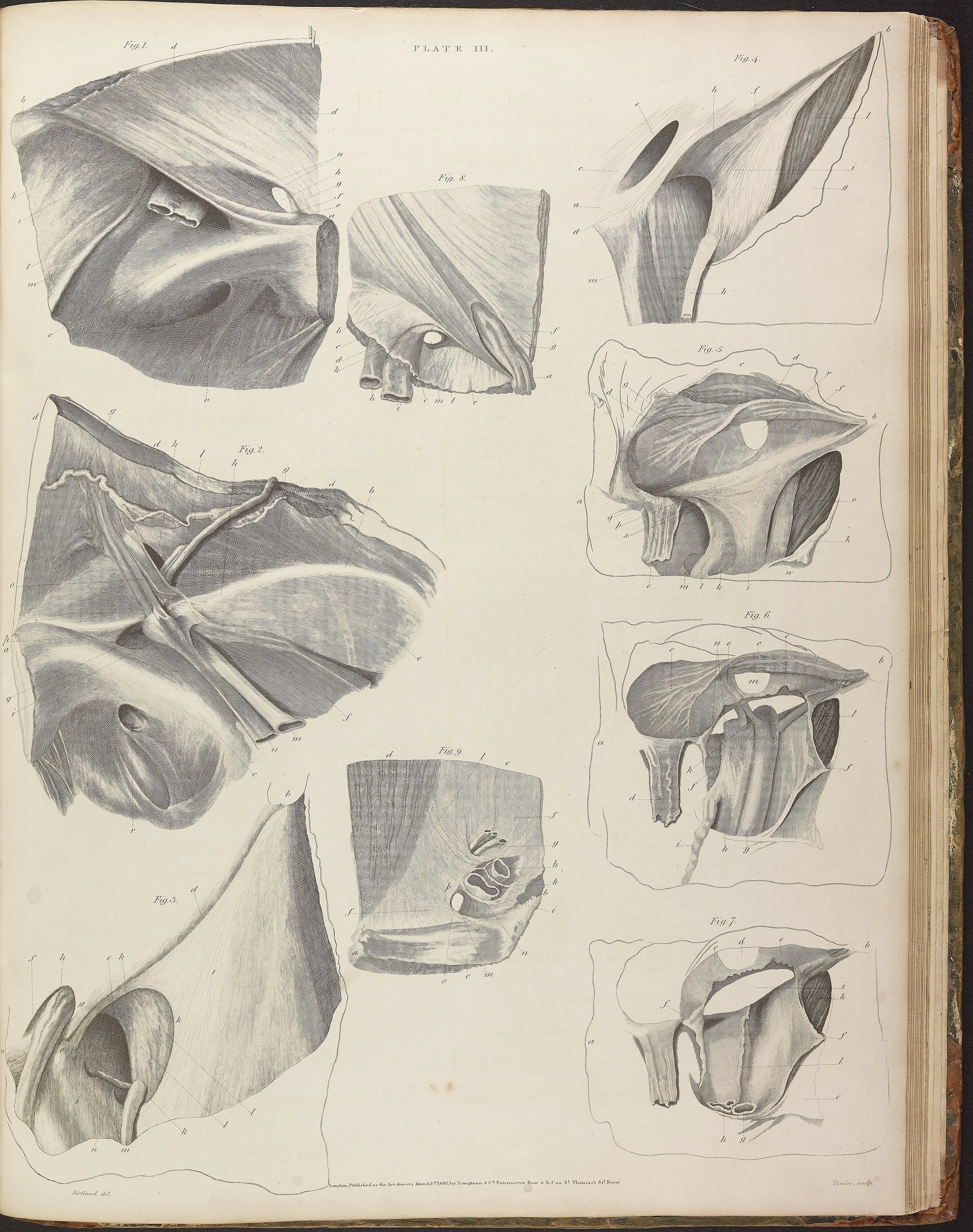
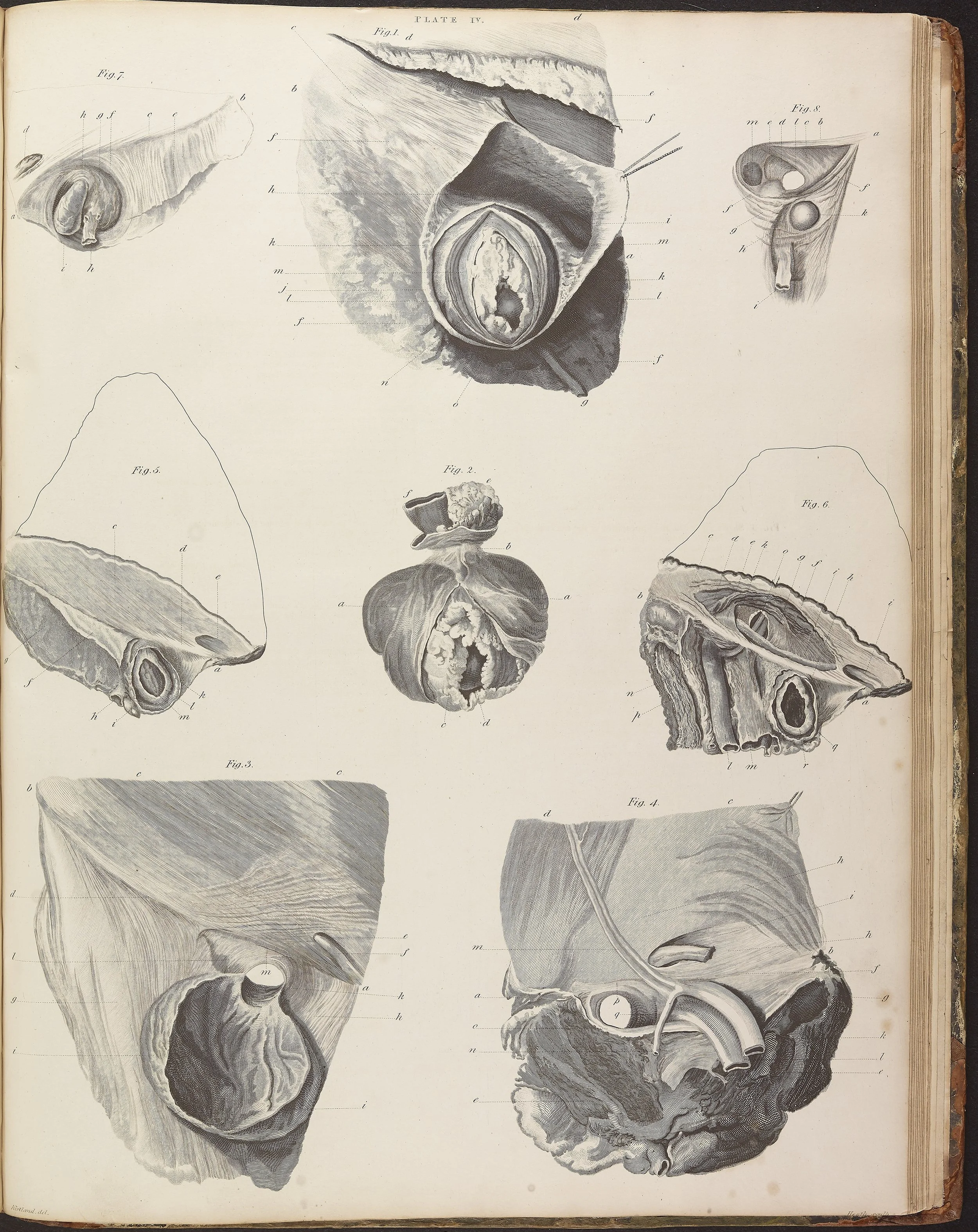
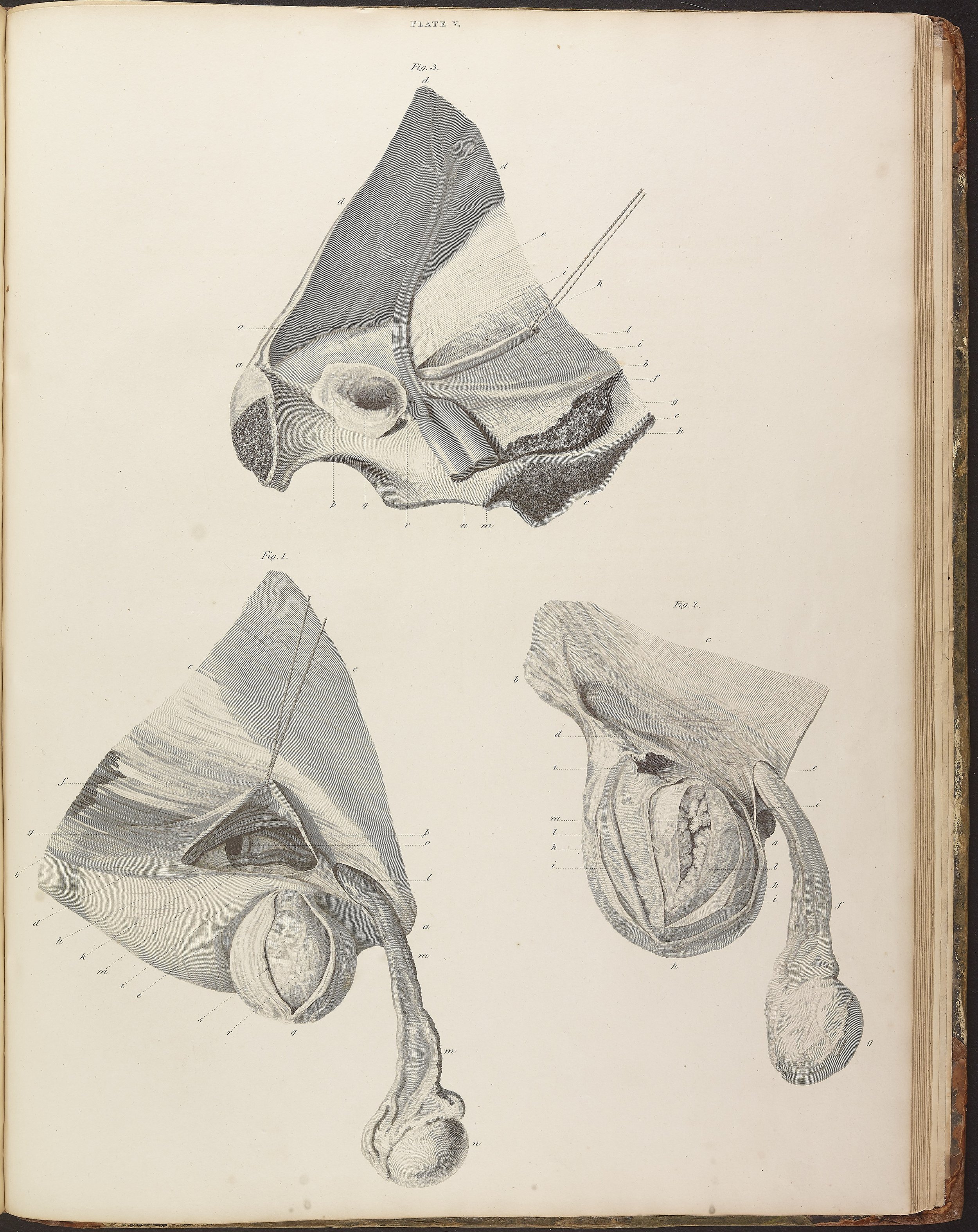
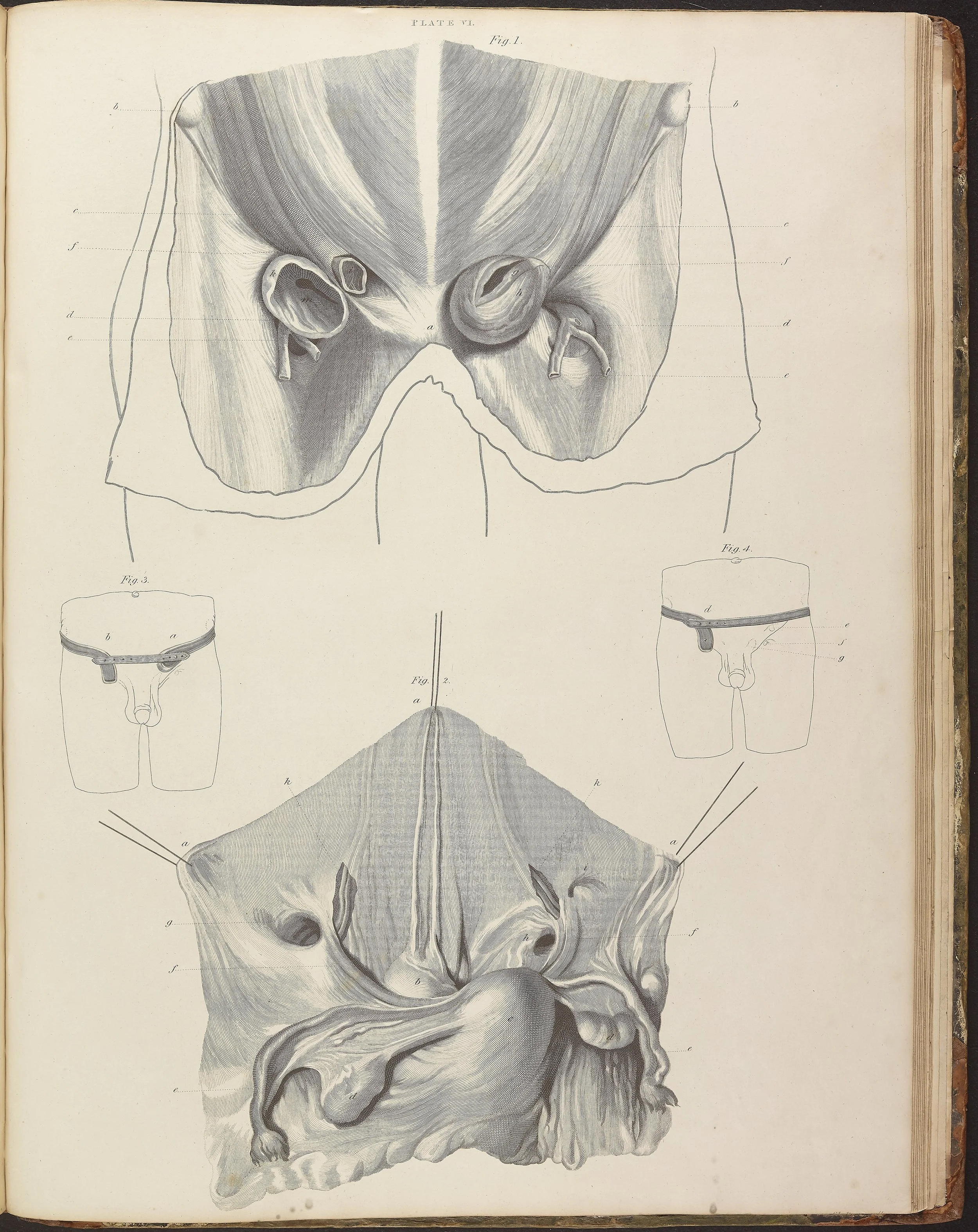
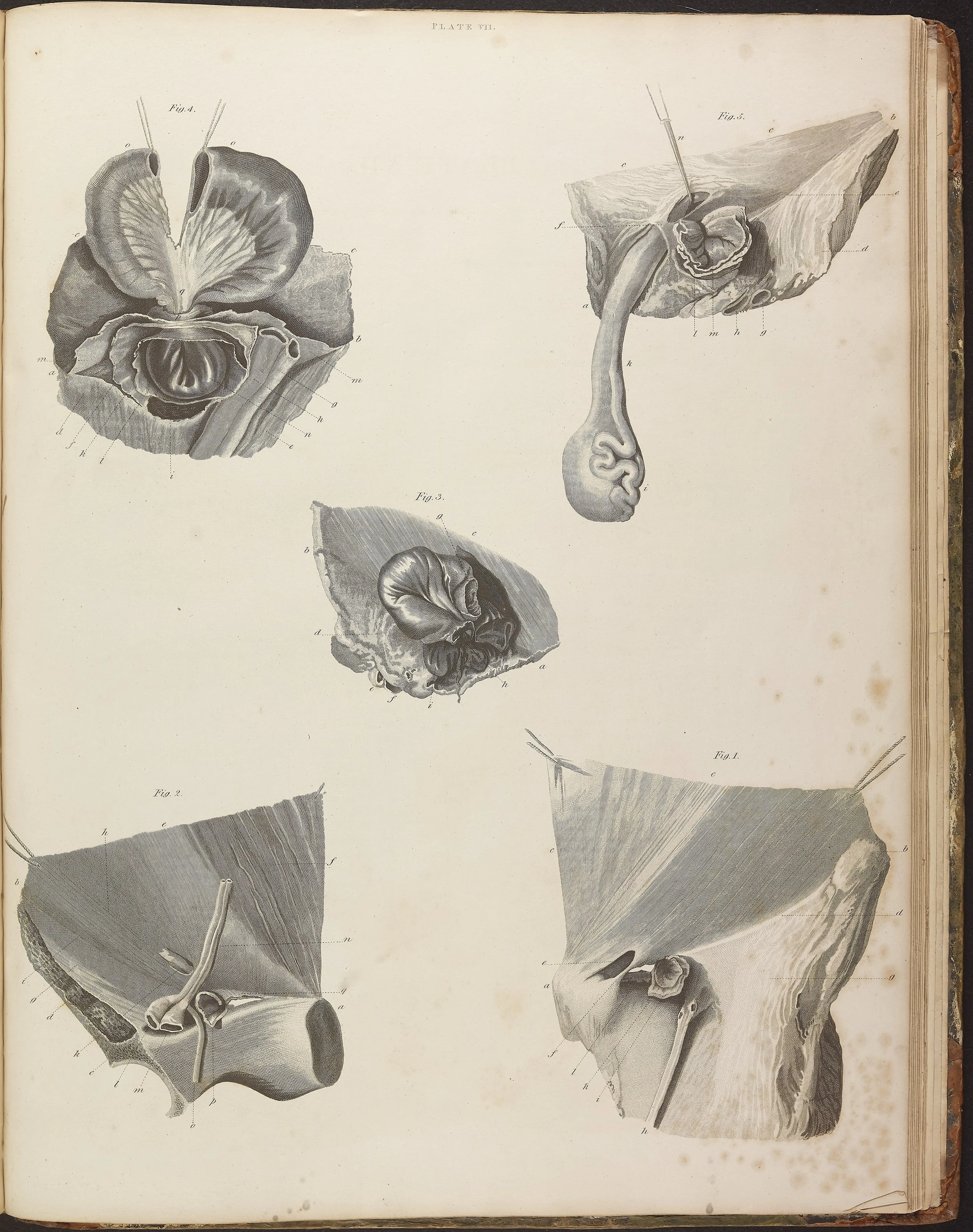
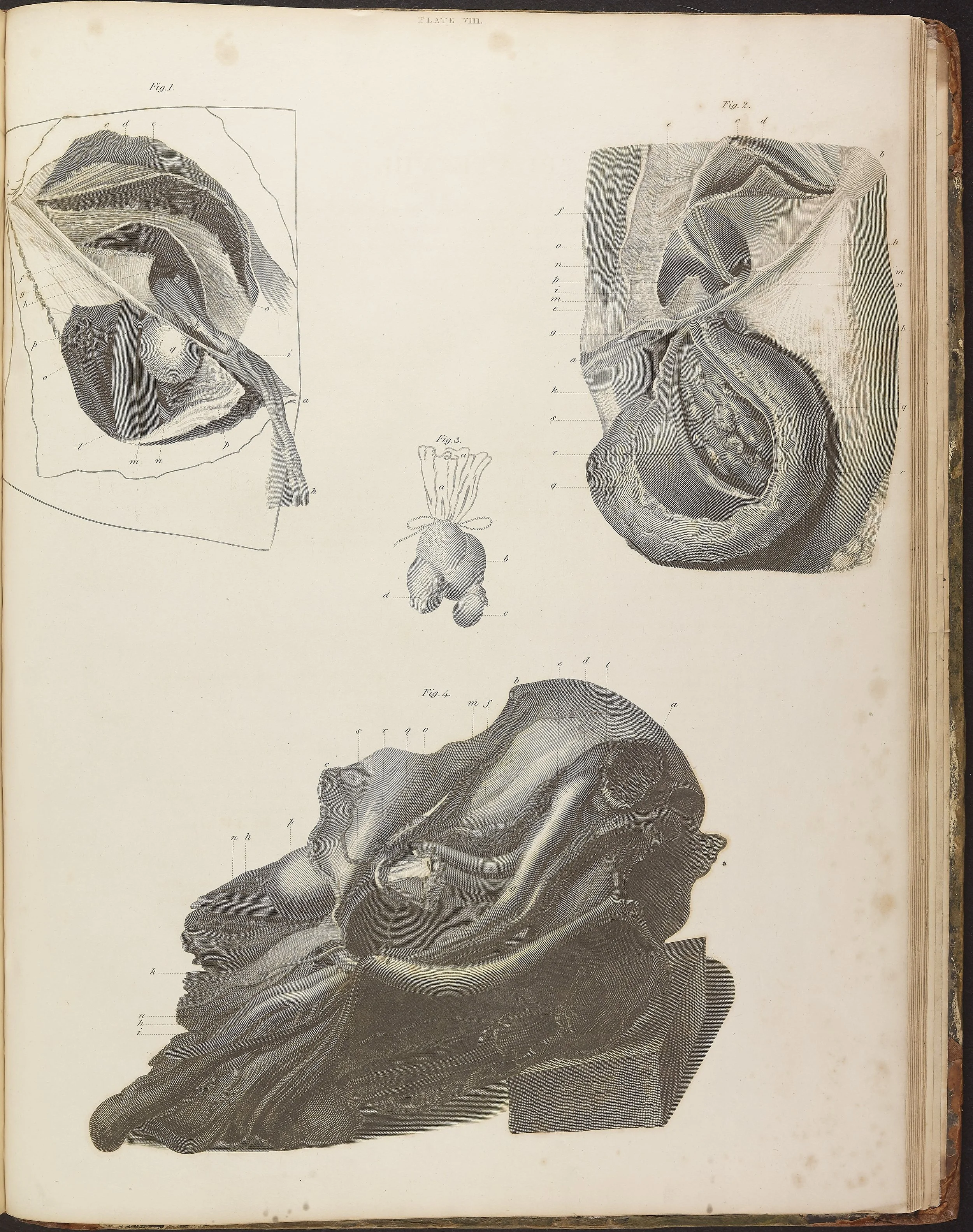
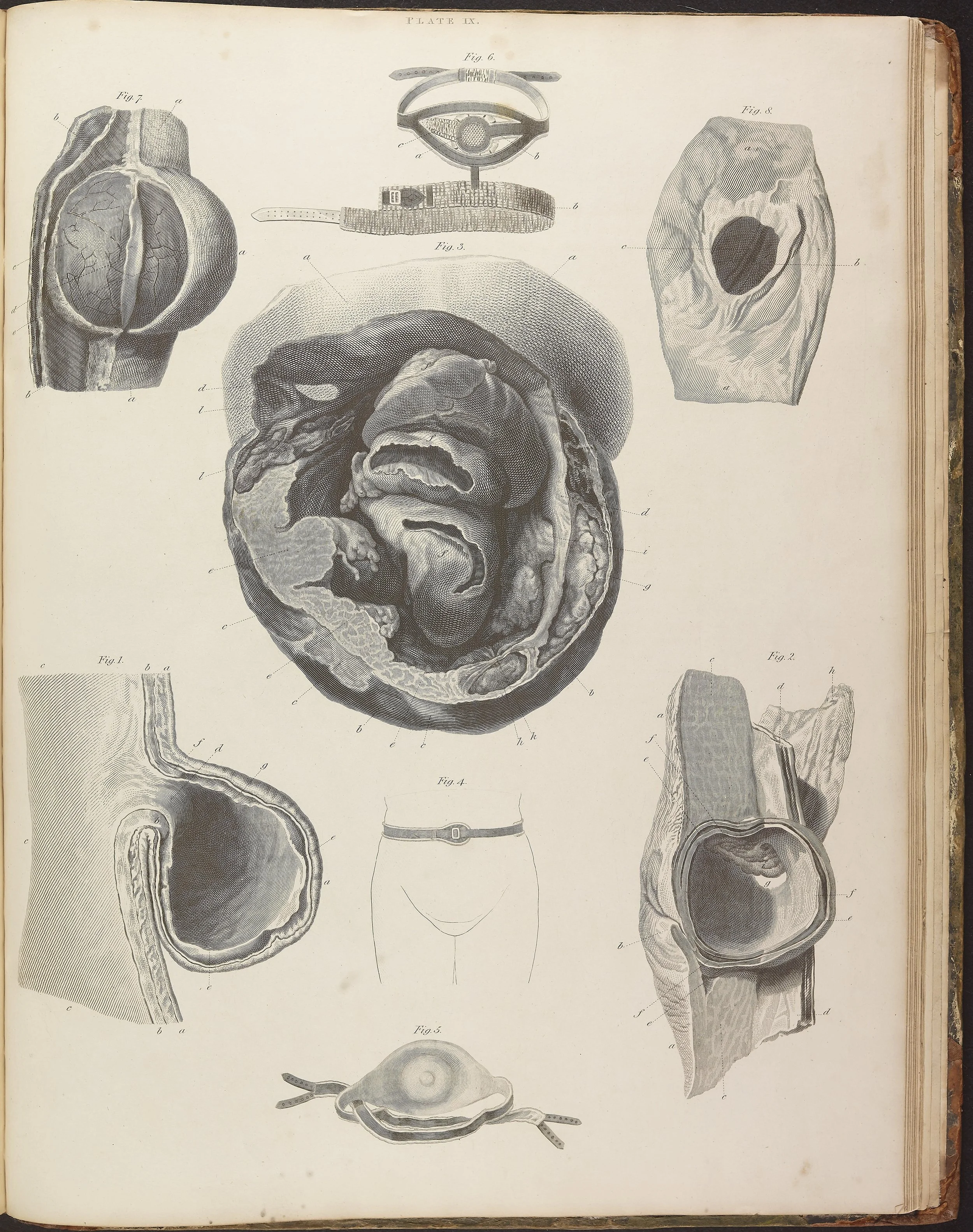
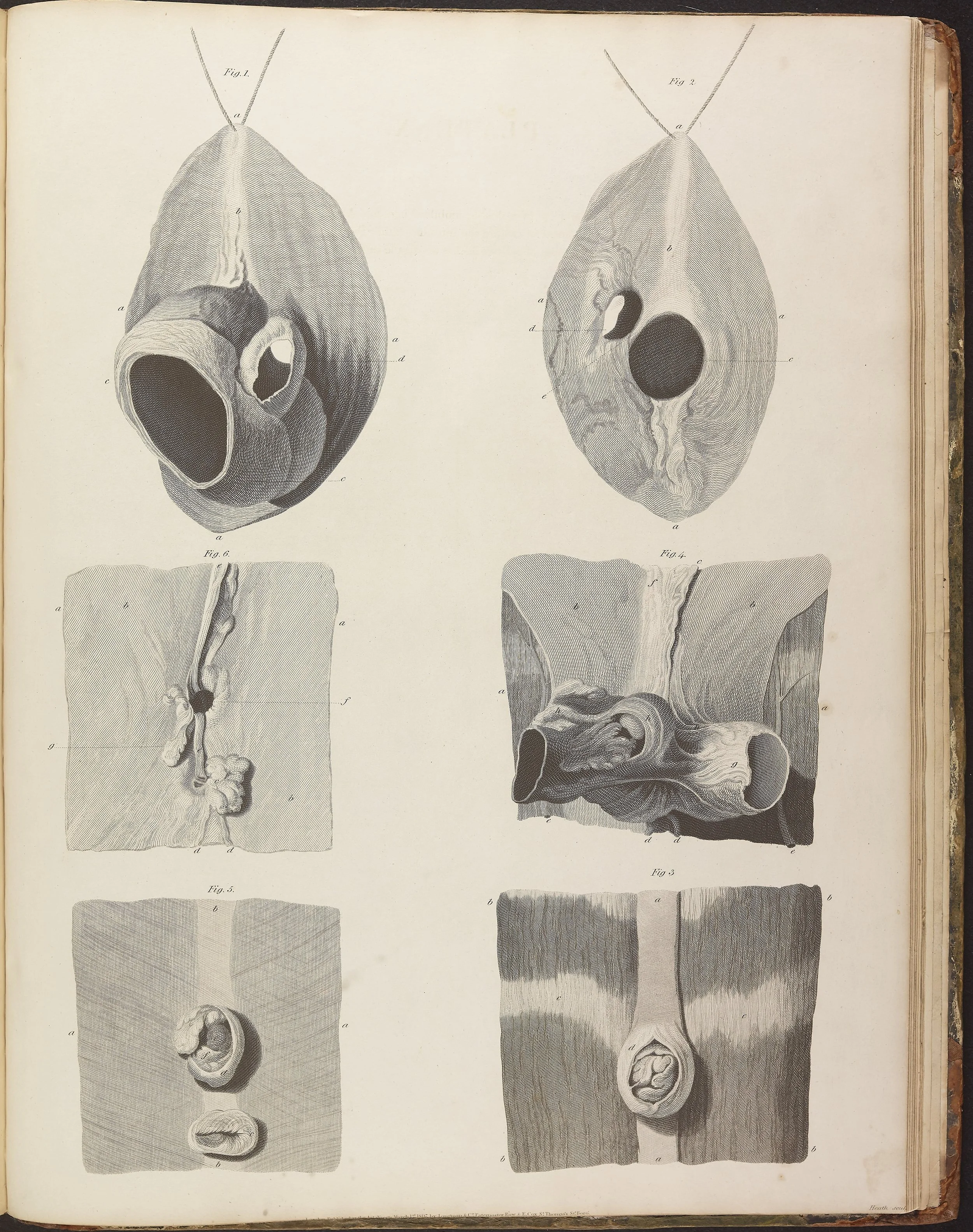
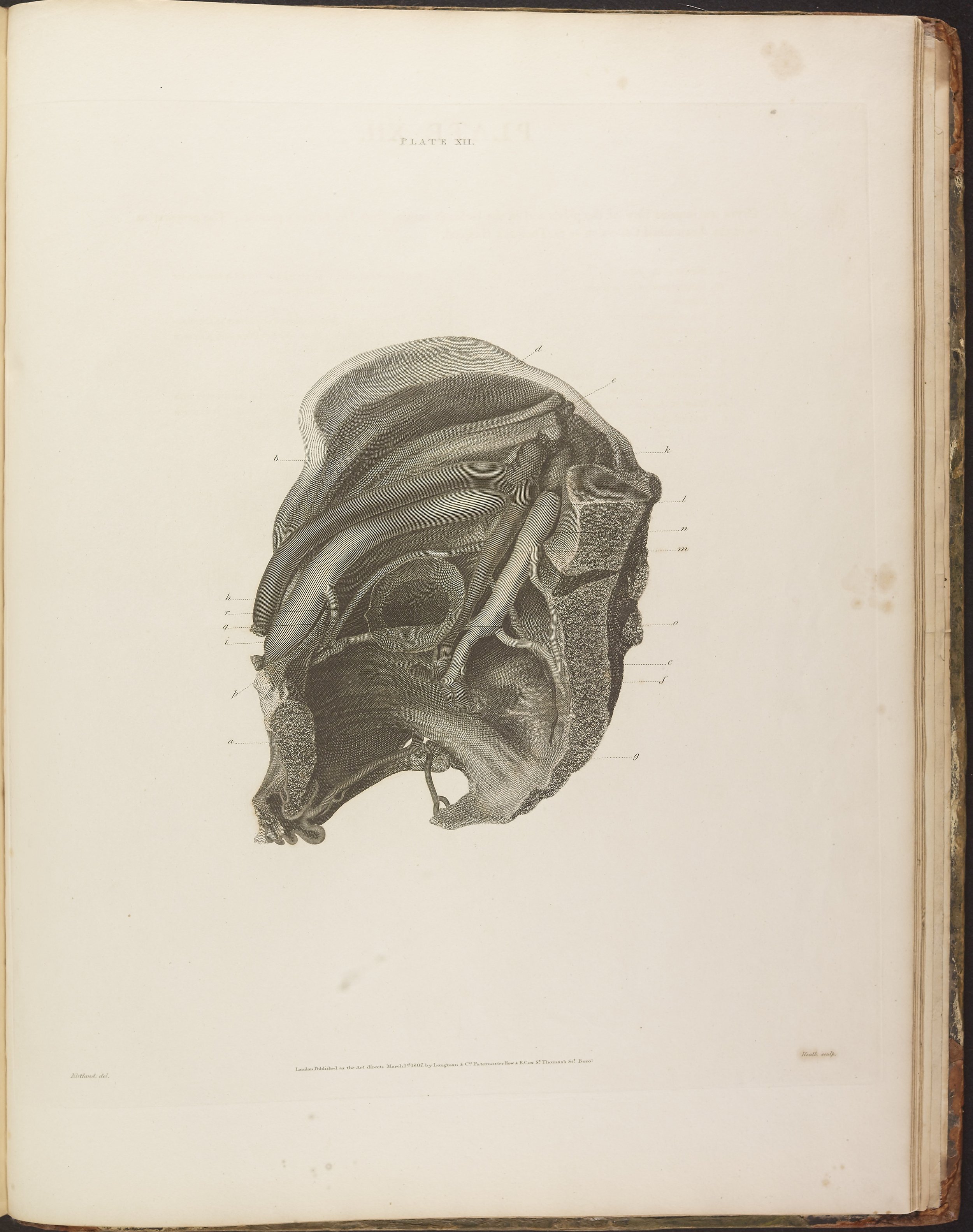
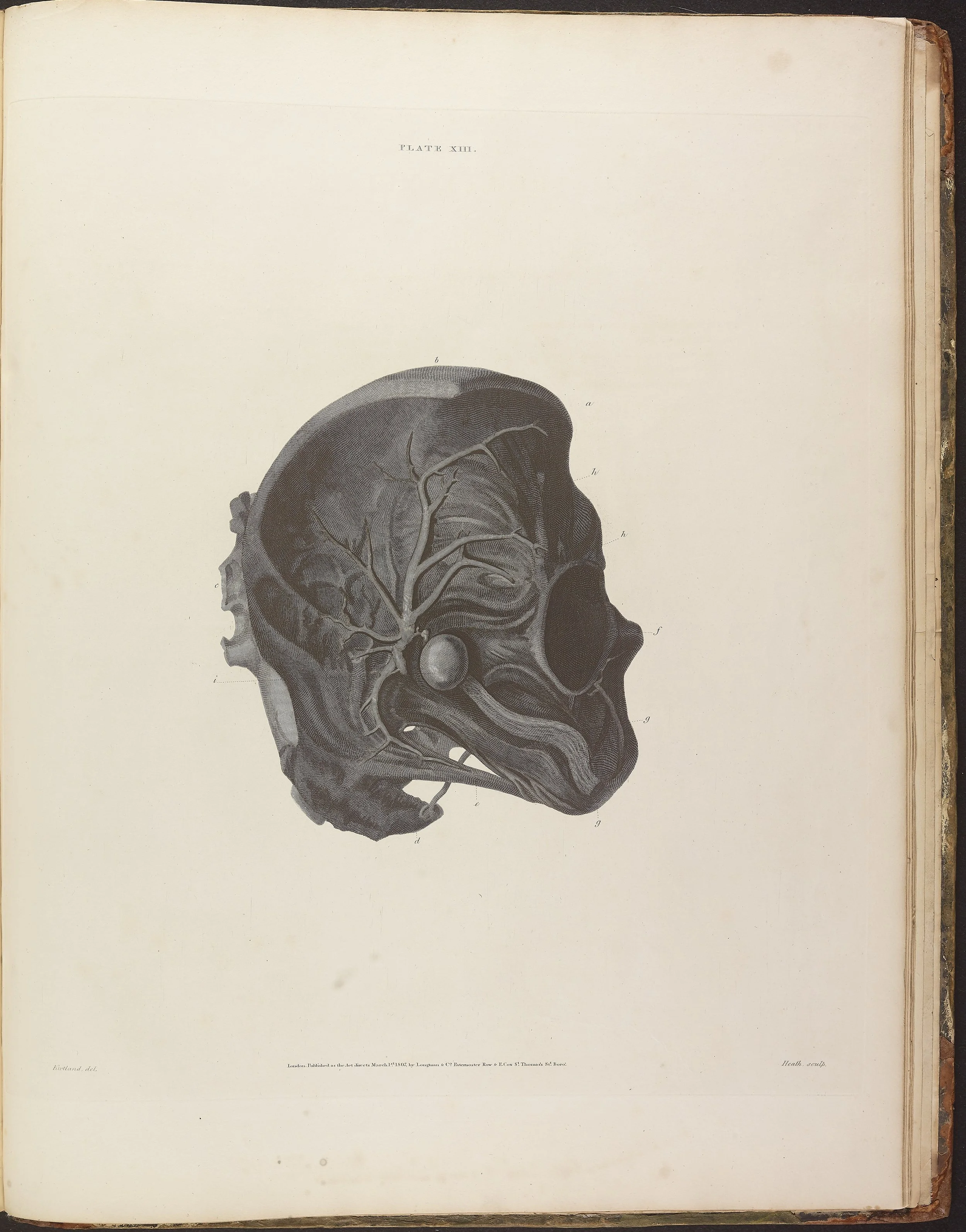
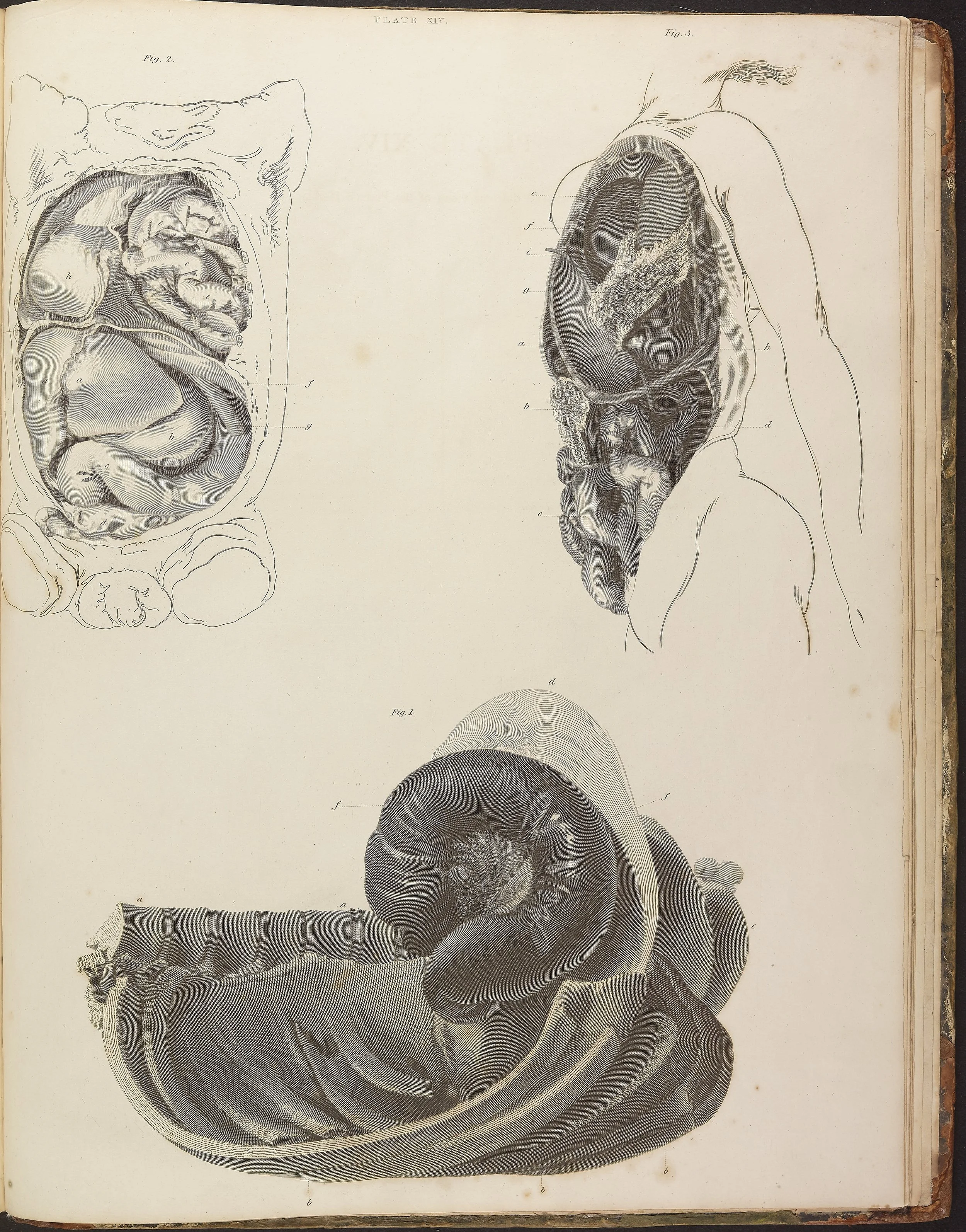
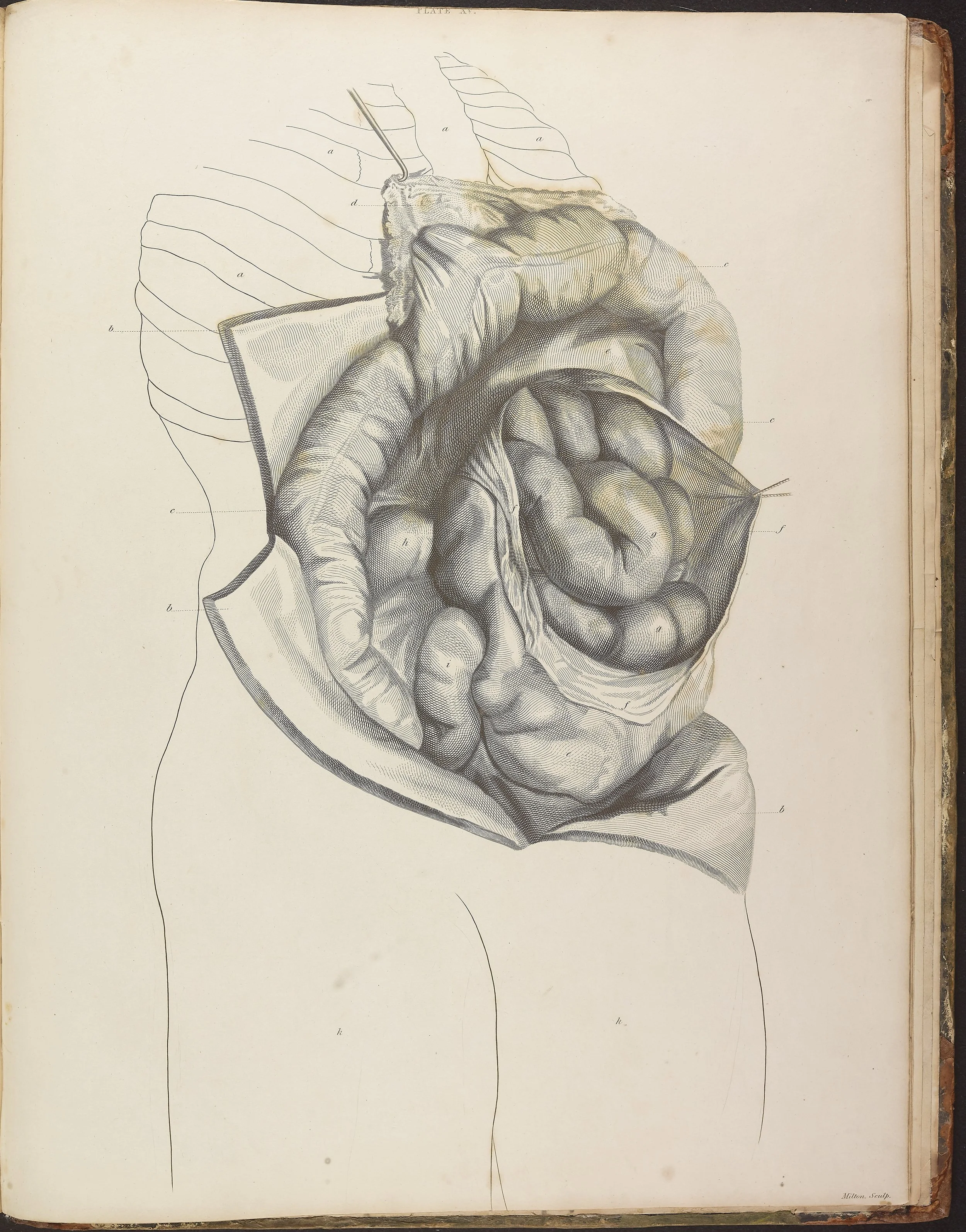
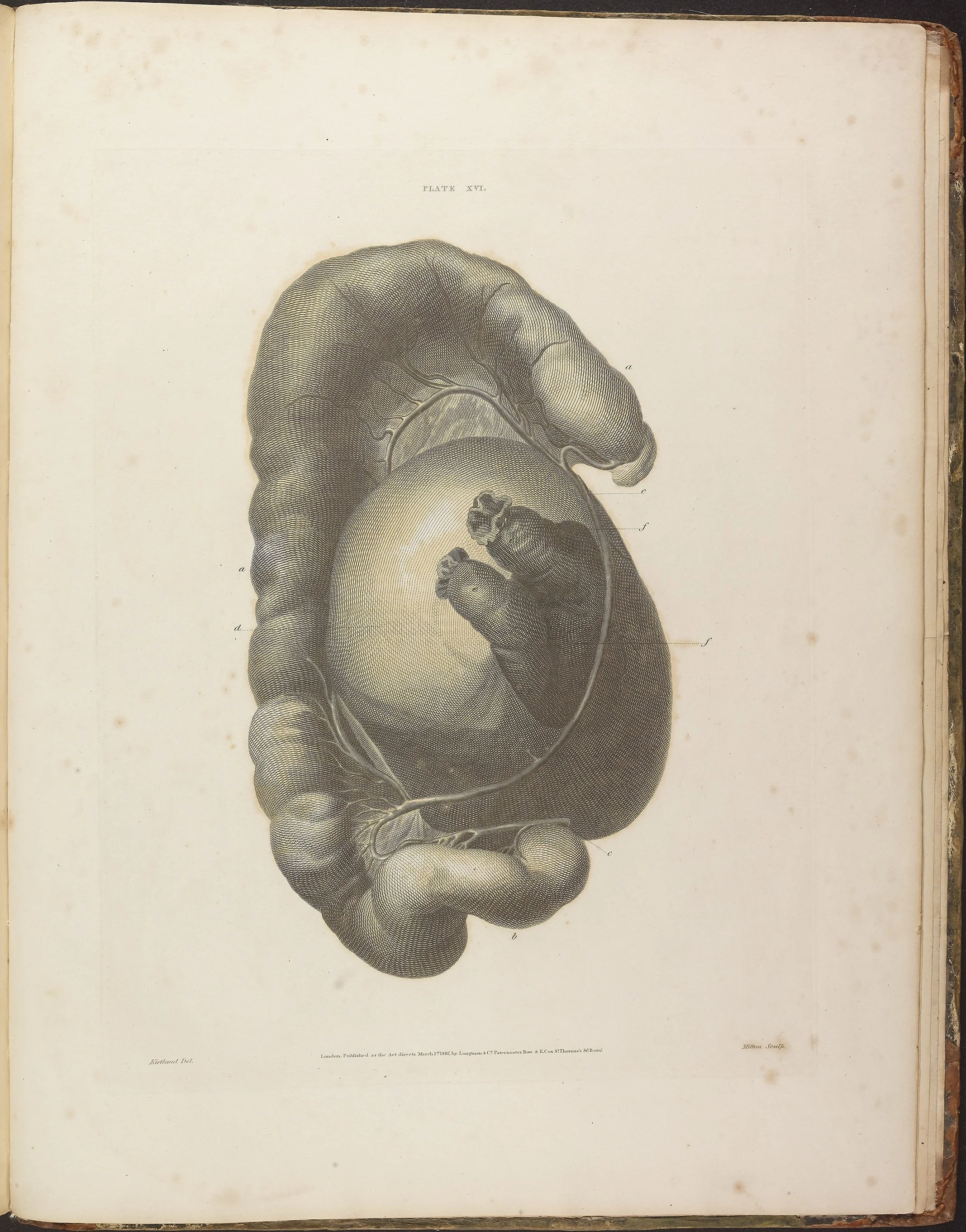
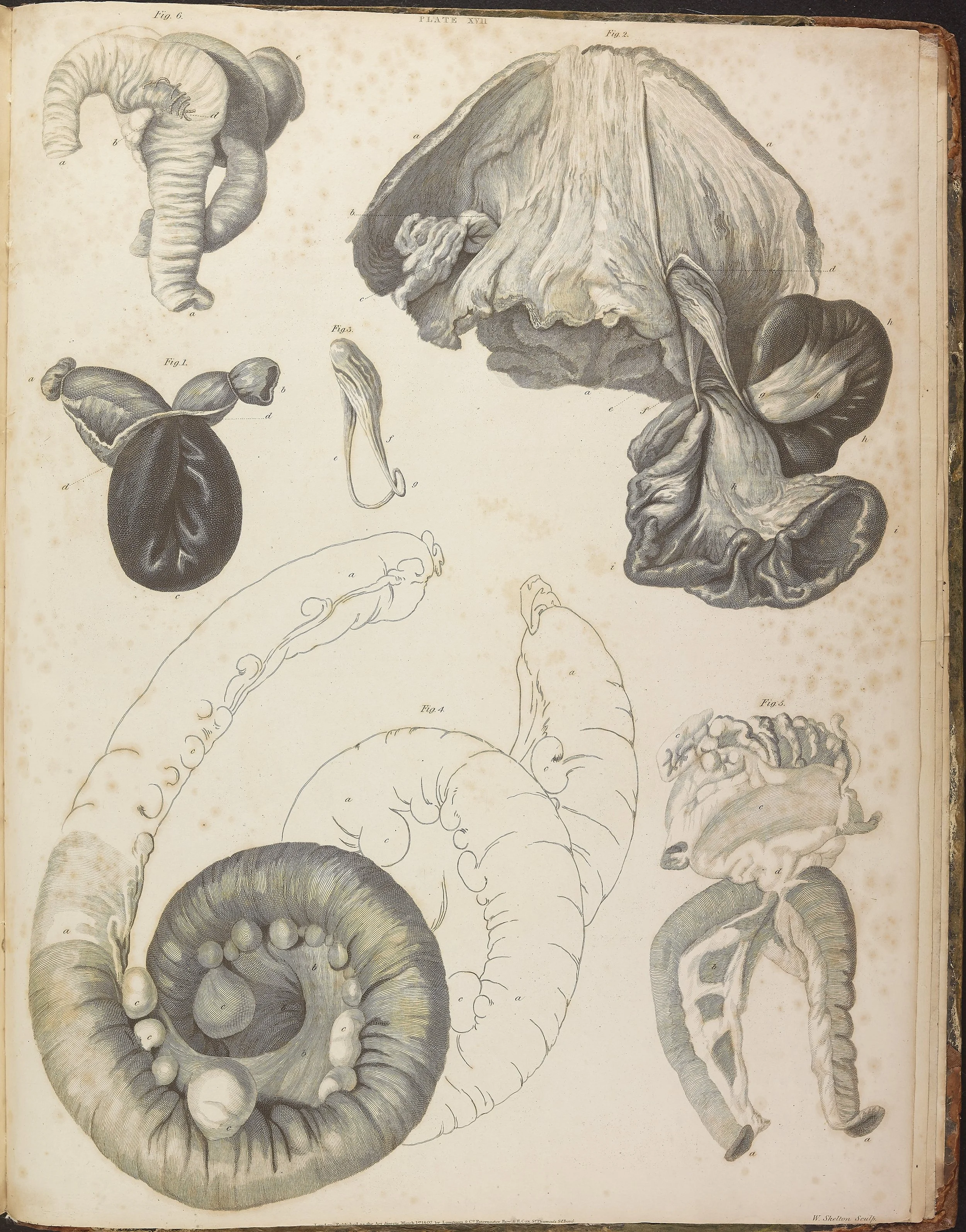
Astley Cooper was a pioneer of the anatomical study of hernias, and a rare type of femoral hernia was eponymously named ‘Cooper’s hernia’ in his honour. He published The Anatomy and Surgical Treatment of Hernia in two parts, in 1804 and 1807. In the preface, he wrote that he had ‘endeavoured to describe the anatomy and surgical treatment of inguinal and congenital hernia’.
Of the images in the book, he writes:
‘The Plates have been executed by Mr. Heath, from drawings of Mr. Kirtland: of their excellence, in point of art, my readers must judge, but I may add, that to ensure their accuracy as faithful copies of the original preparations, all the outlines have been laid down from an exact measurement of parts’.
GEORGE KIRTLAND
George Kirtland was the artist behind the illustrations in The Anatomy and Surgical Treatment of Hernia. The art was done by George Kirtland, who was active in the late 18th and early 19th century. There is very little record of Kirtland, which suggests that he died before the first comprehensive census in 1841. The British Museum holds in its archives one of Kirtland’s trade cards, c. 1802, which lists him as a drawing master and engraver.
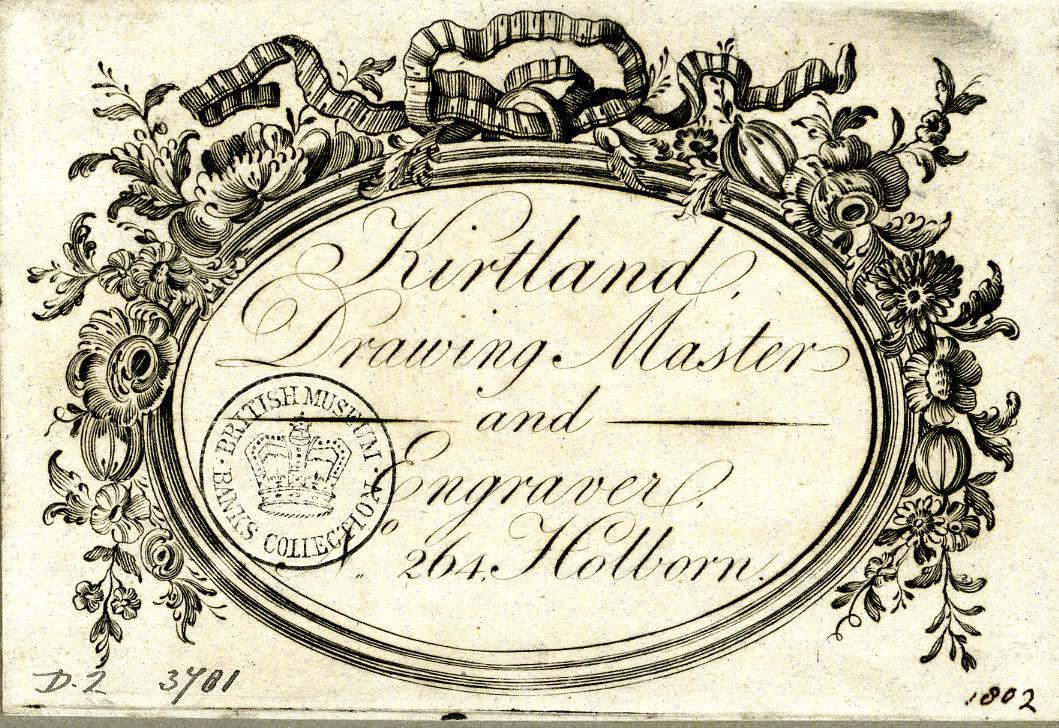
© The Trustees of the British Museum. Shared under a Creative Commons Attribution-NonCommercial-ShareAlike 4.0 International (CC BY-NC-SA 4.0) licence.
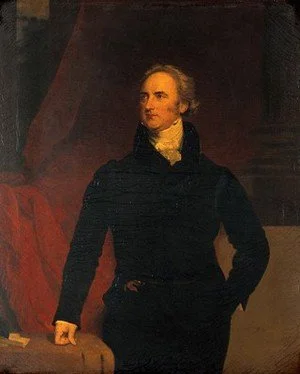
Sir Astley Paston Cooper. Oil painting after Sir Thomas Lawrence. Wellcome Collection. Source: Wellcome Collection.