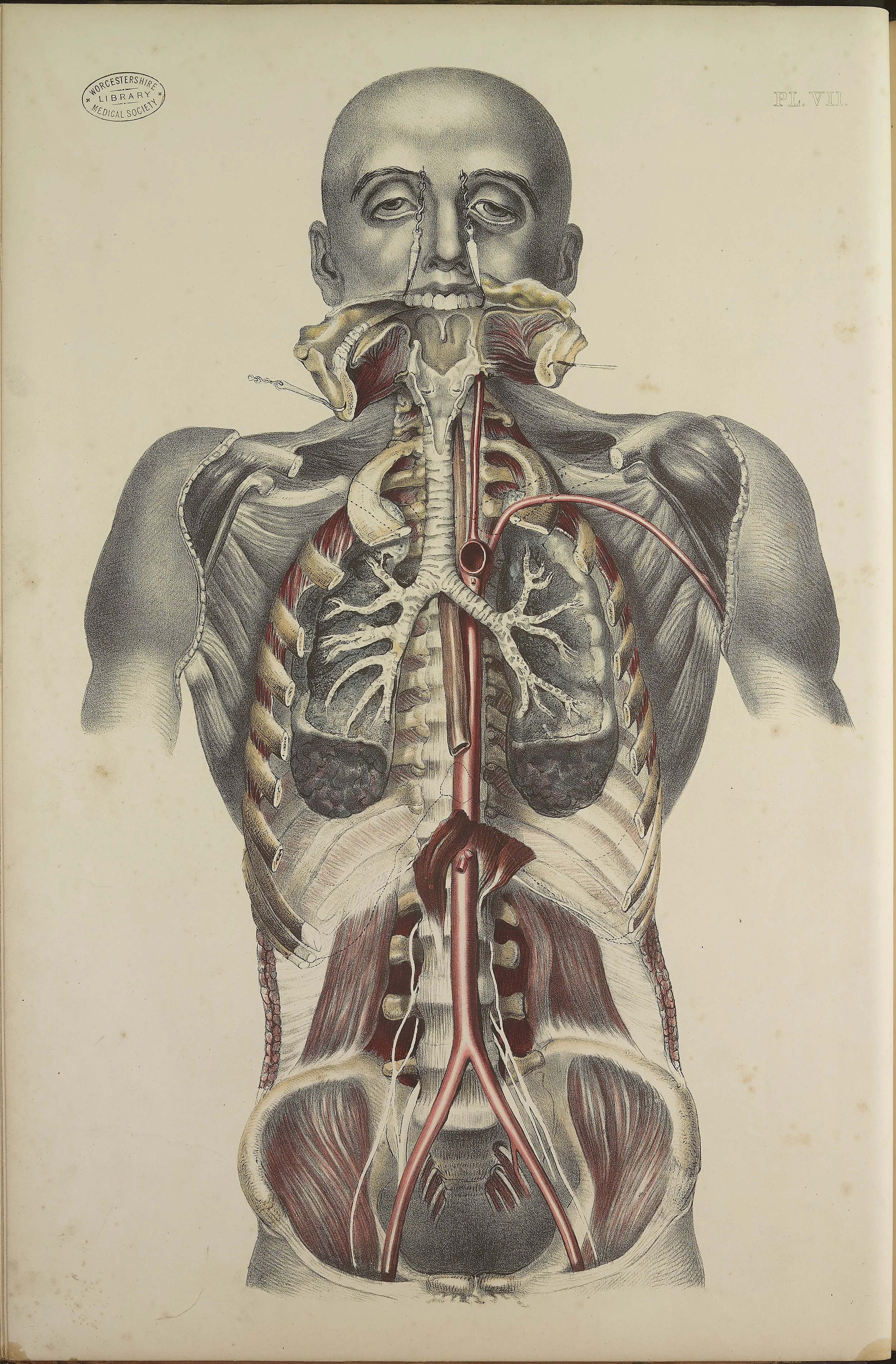
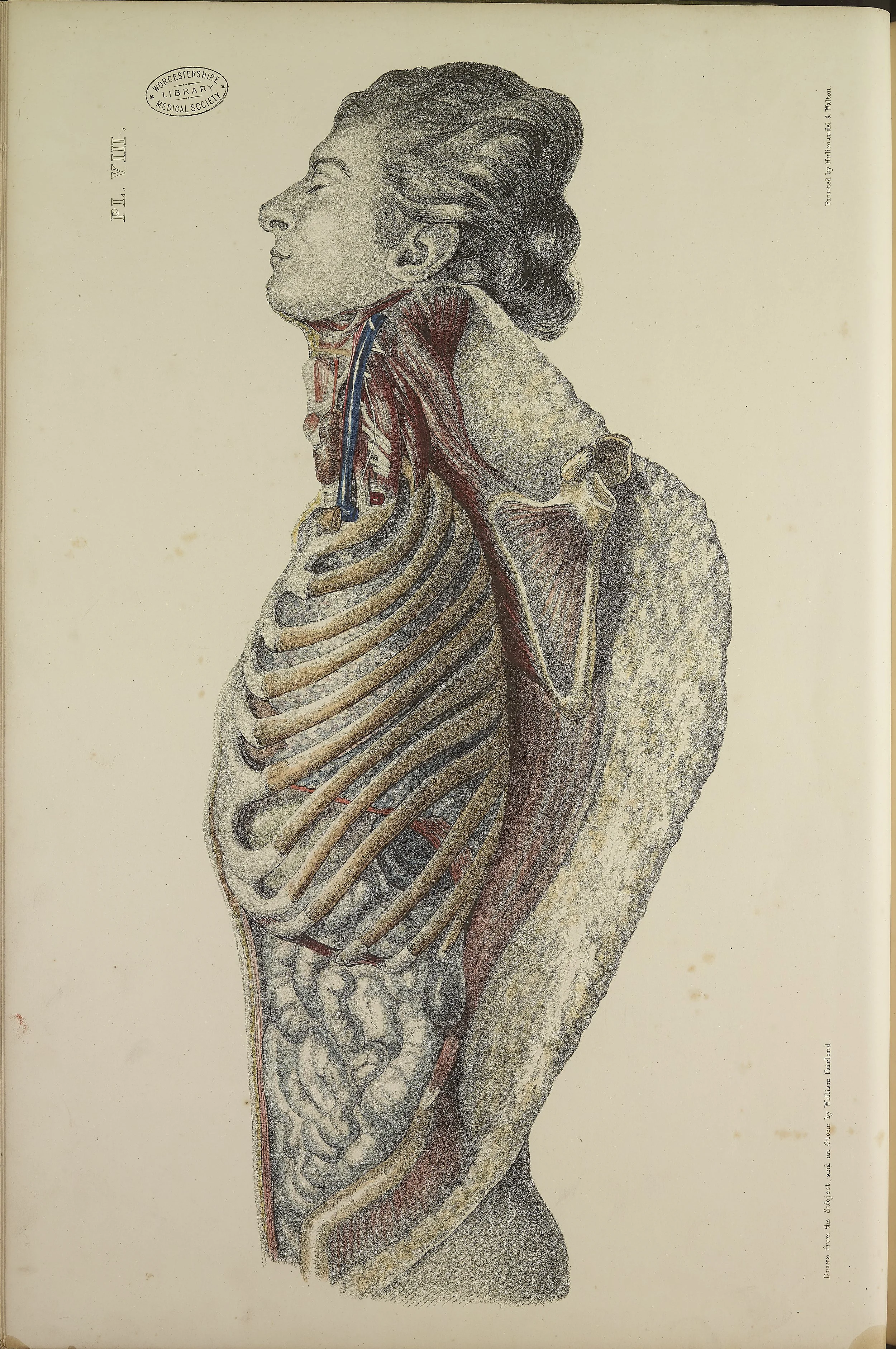
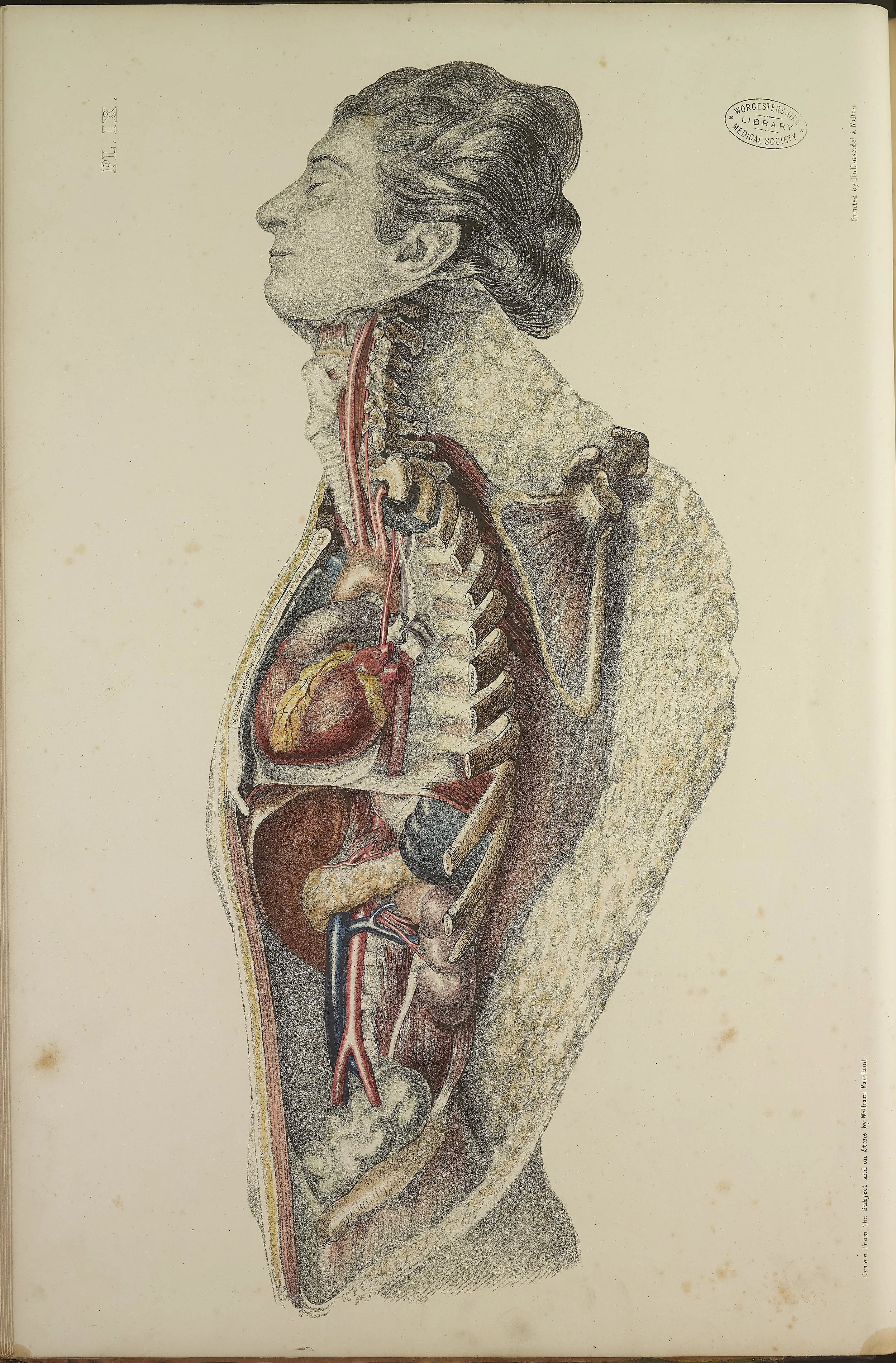
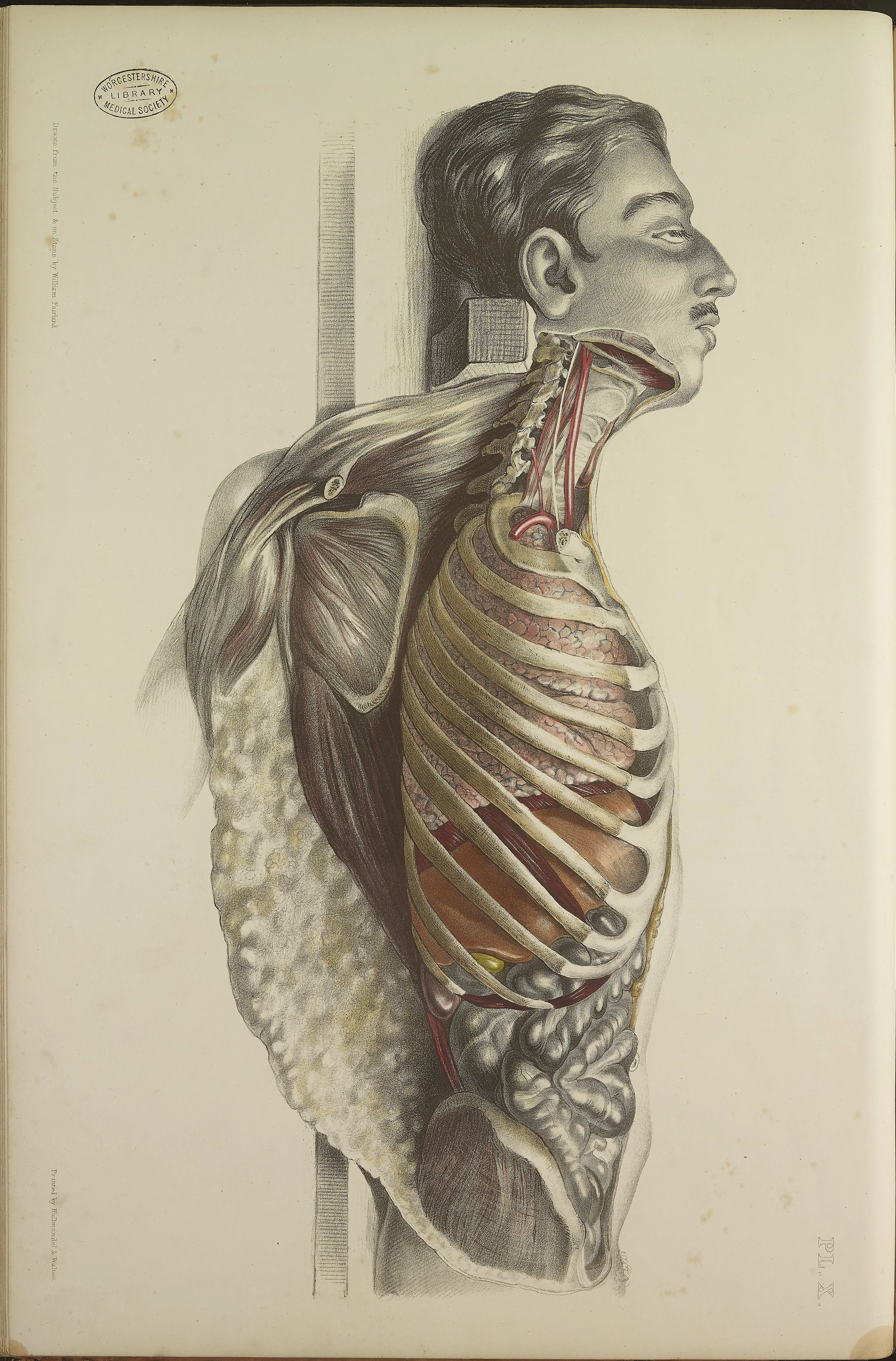
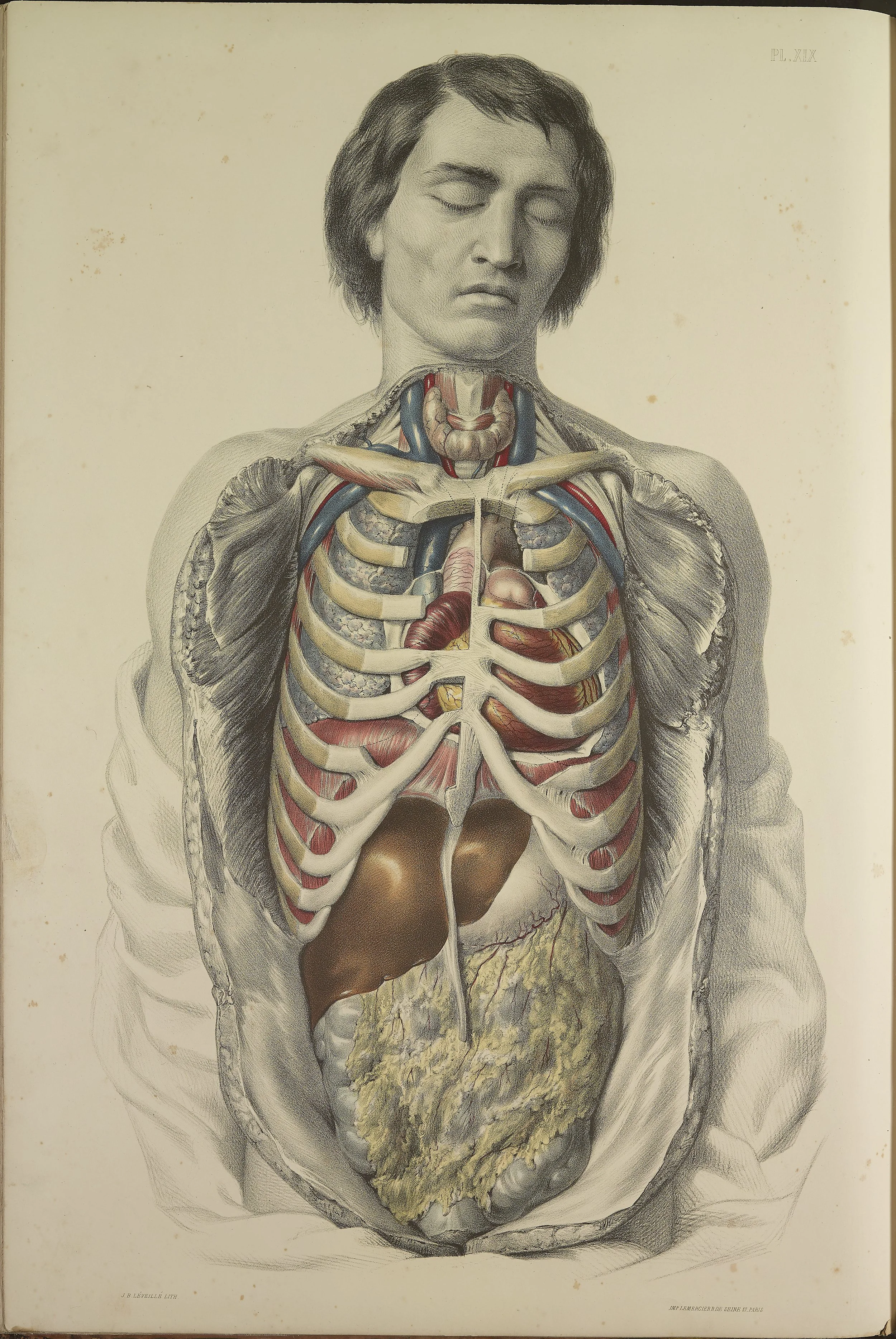
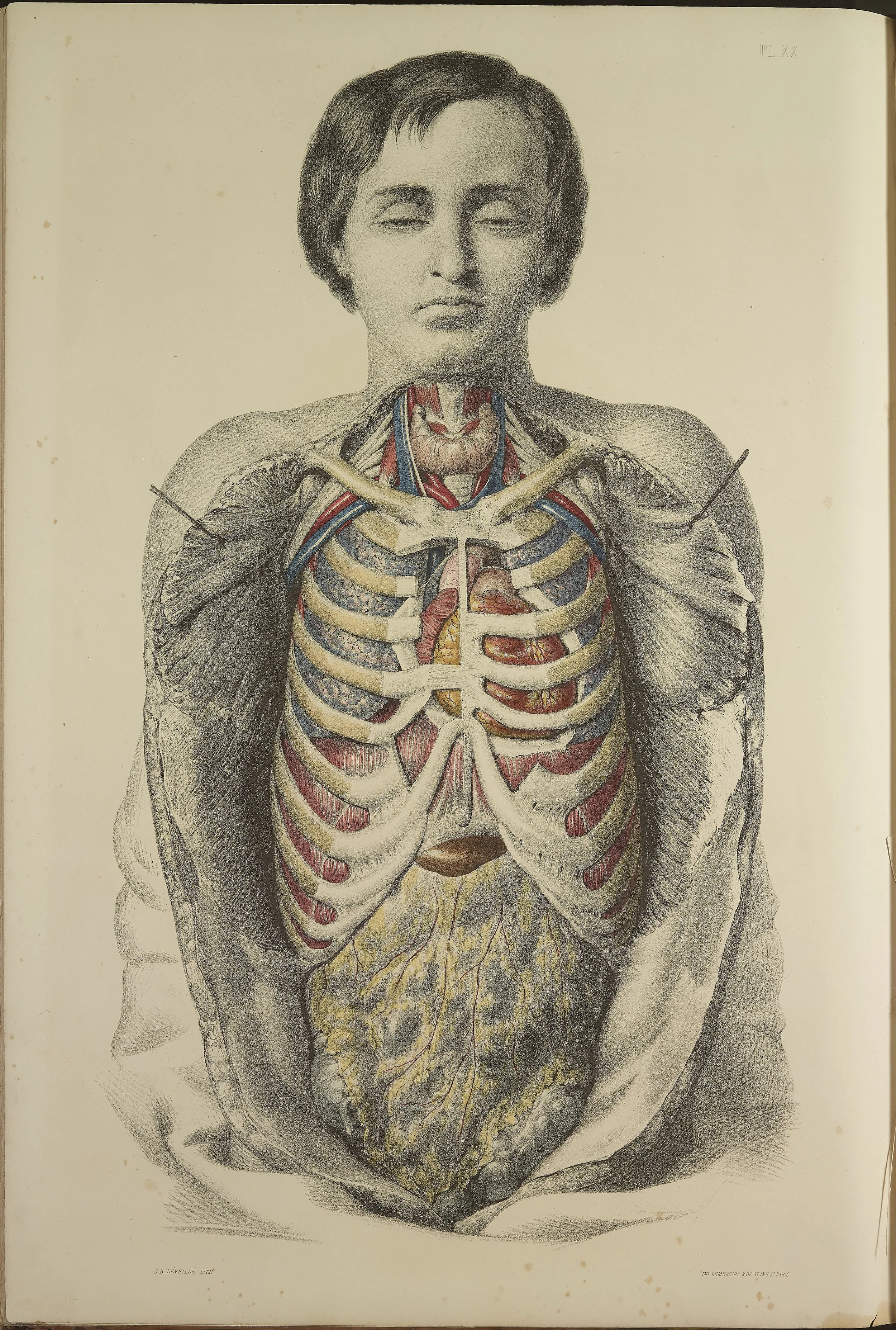
William Fairland
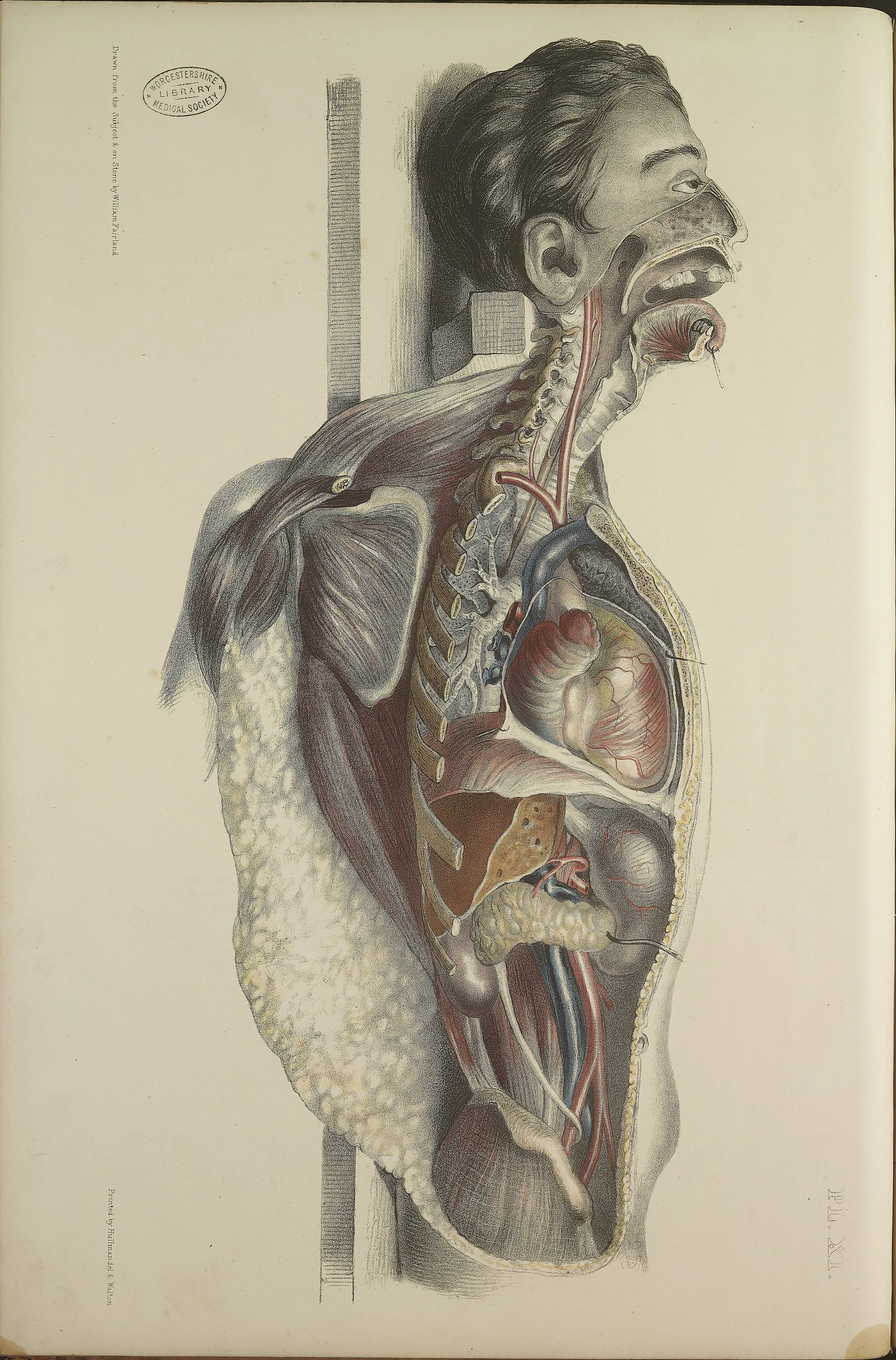
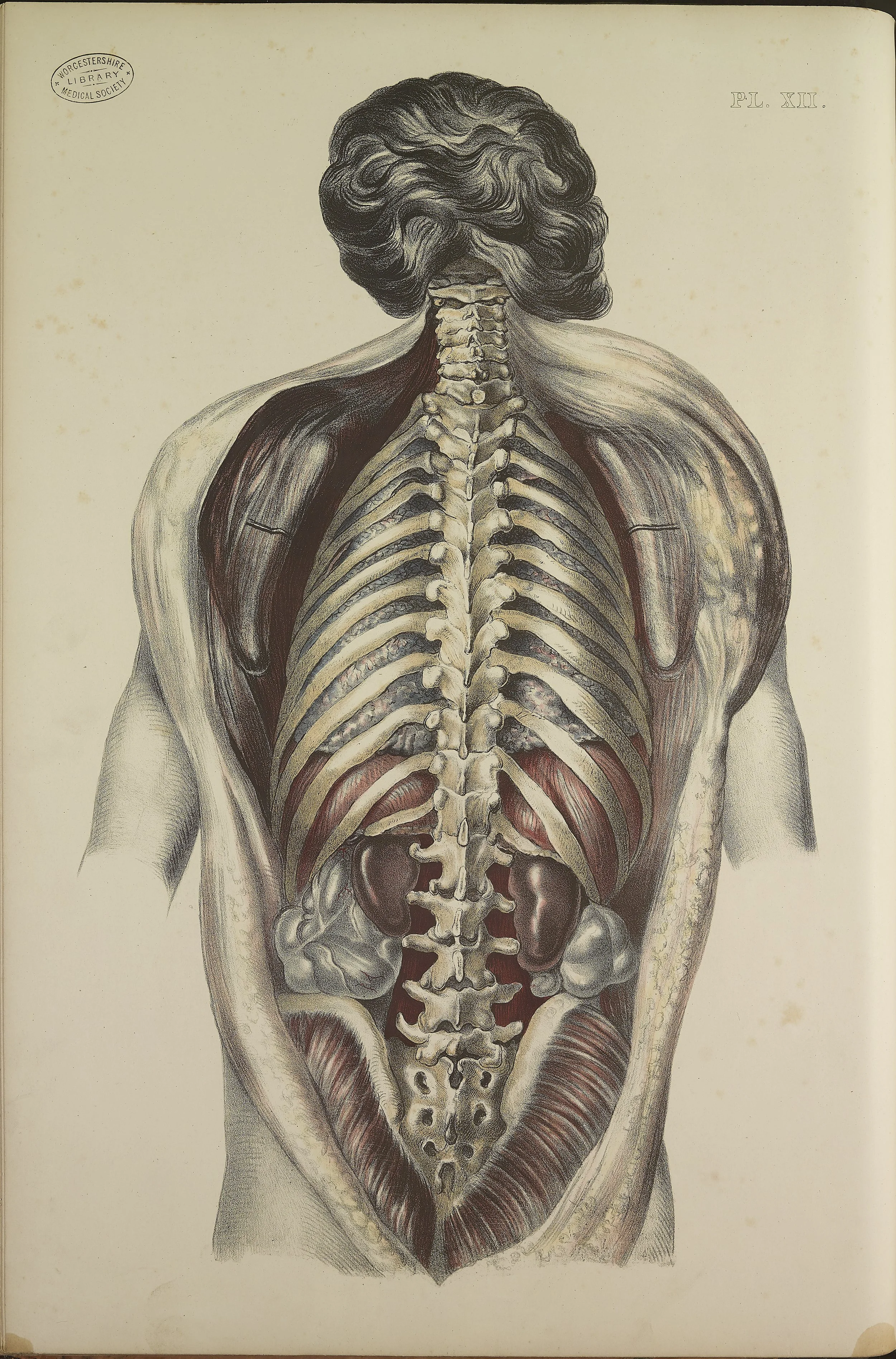
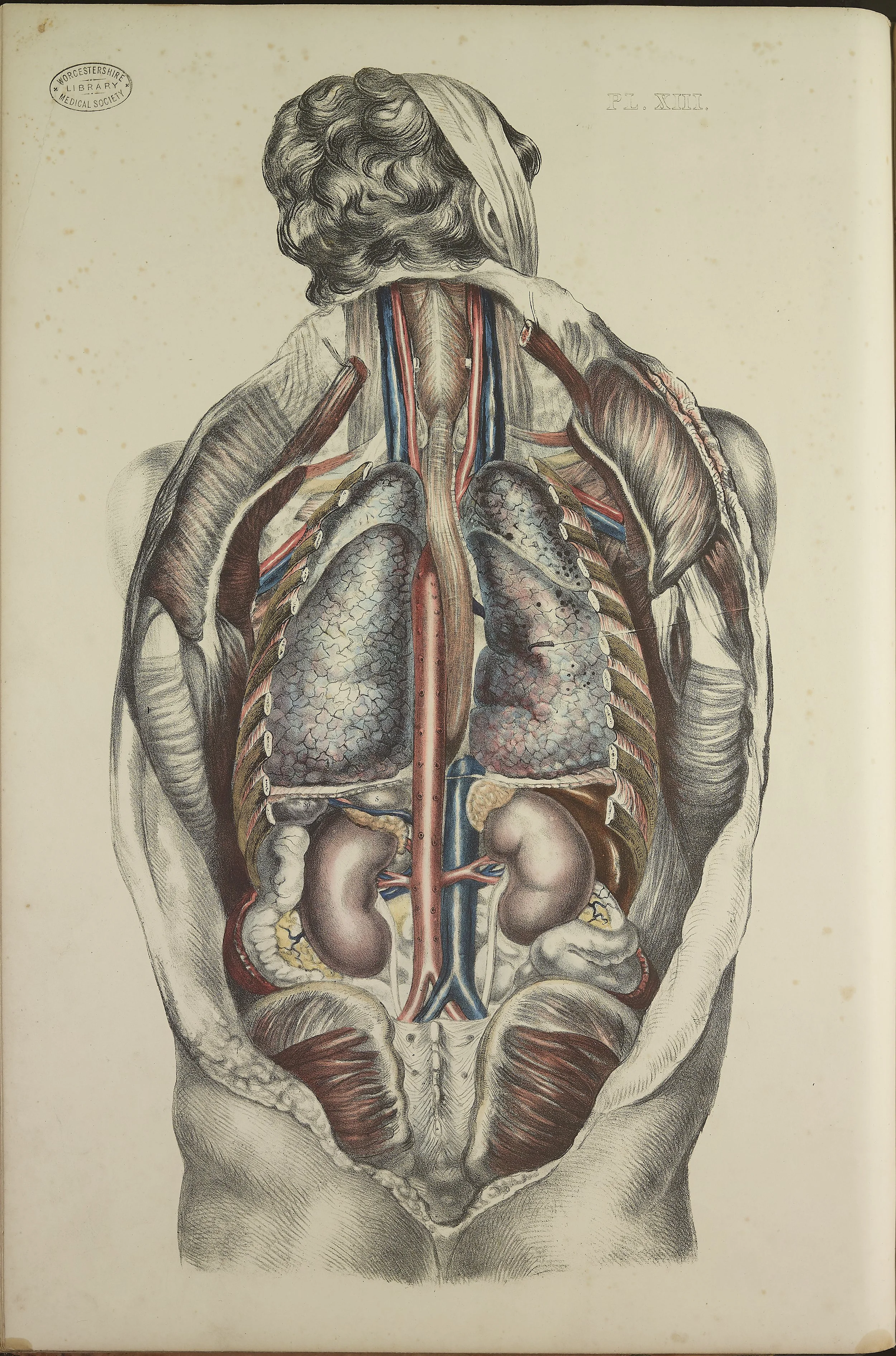
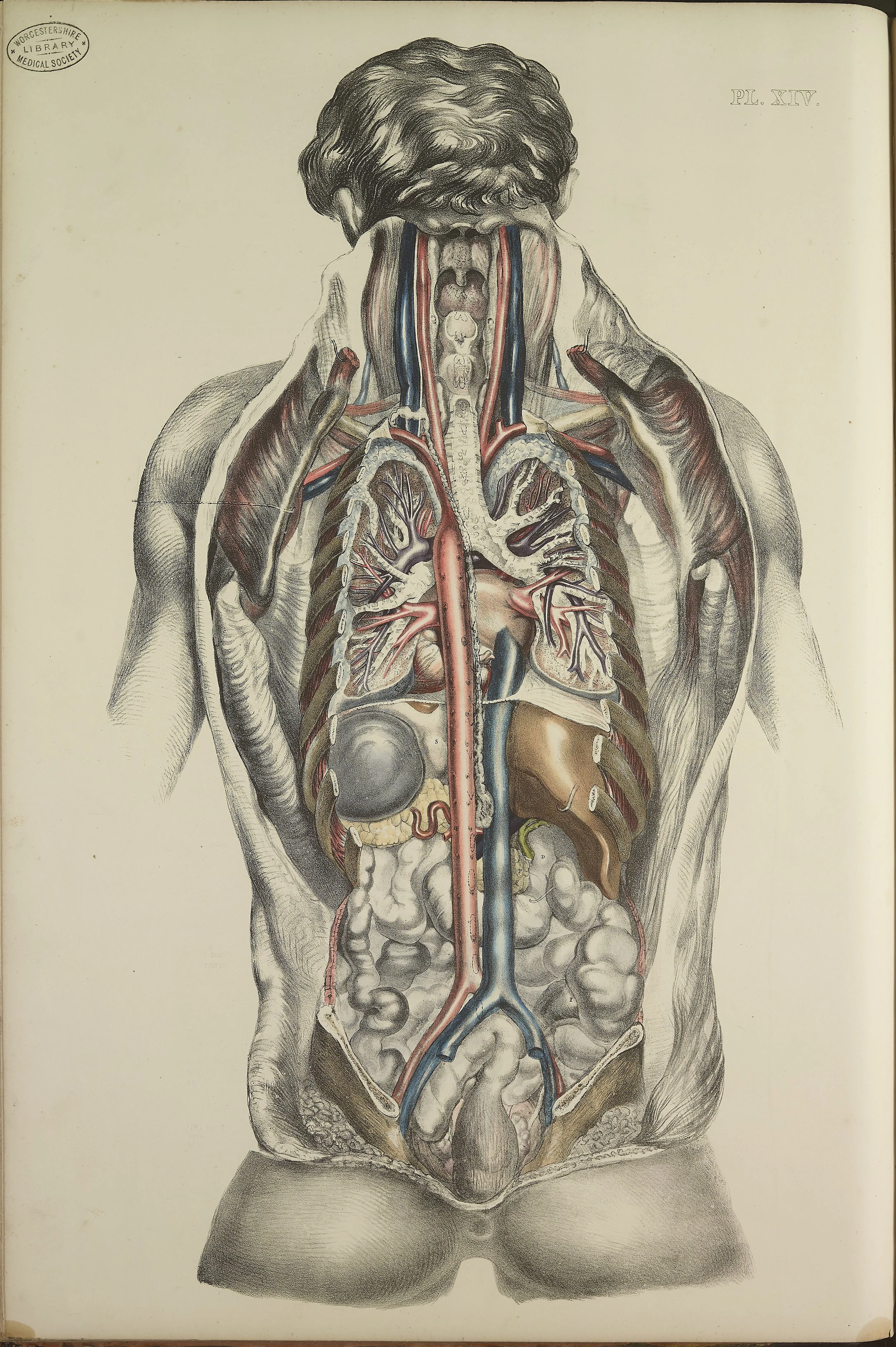
William Fairland was born on 15 September 1805, to father Robert Fairland and mother Mary Taylor, in Kingston-upon-Hull. There is very little record of William, despite his successful career as an artist and lithographer, and it is unclear when he died. Whilst Medical Anatomy was published in 1869, Sibson published the volume over a period of twelve years, meaning that Fairland may have created the drawings in the years before final publication. In an article published by Sibson on 2 August 1873 in the British Medical Journal, he refers to an image ‘admirably drawn by our old friend the artist, Mr Fairland’, although this still gives no further clue as to whether he was still alive by this point. A number of Fairland’s illustrations are held by the Ashmolean Museum, including his Portrait of Michelangelo, as well as the National Gallery of Art in Washington D.C.
Whilst relatively well-known as an engraver, William’s fame was eclipsed by that of his brother Thomas, who studied at the Royal Academy under Swiss painter Henry Fuseli. Thomas’ entry in the Oxford Dictionary of National Biography suggests that ‘he soon became one of the best-known reproductive lithographers in Britain, though he had no reputation at all as an original lithographer and therefore hardly figures in the literature of the subject’. Whilst Thomas is mentioned briefly in a number of volumes on lithography, William is not mentioned as an engraver of the same calibre. The two are mentioned occasionally in arts magazines as co-artists of prints. William and Thomas’ brother Charles was also a lithographer, who emigrated to Sydney in 1852, introducing gold and colour printing techniques to Australia.
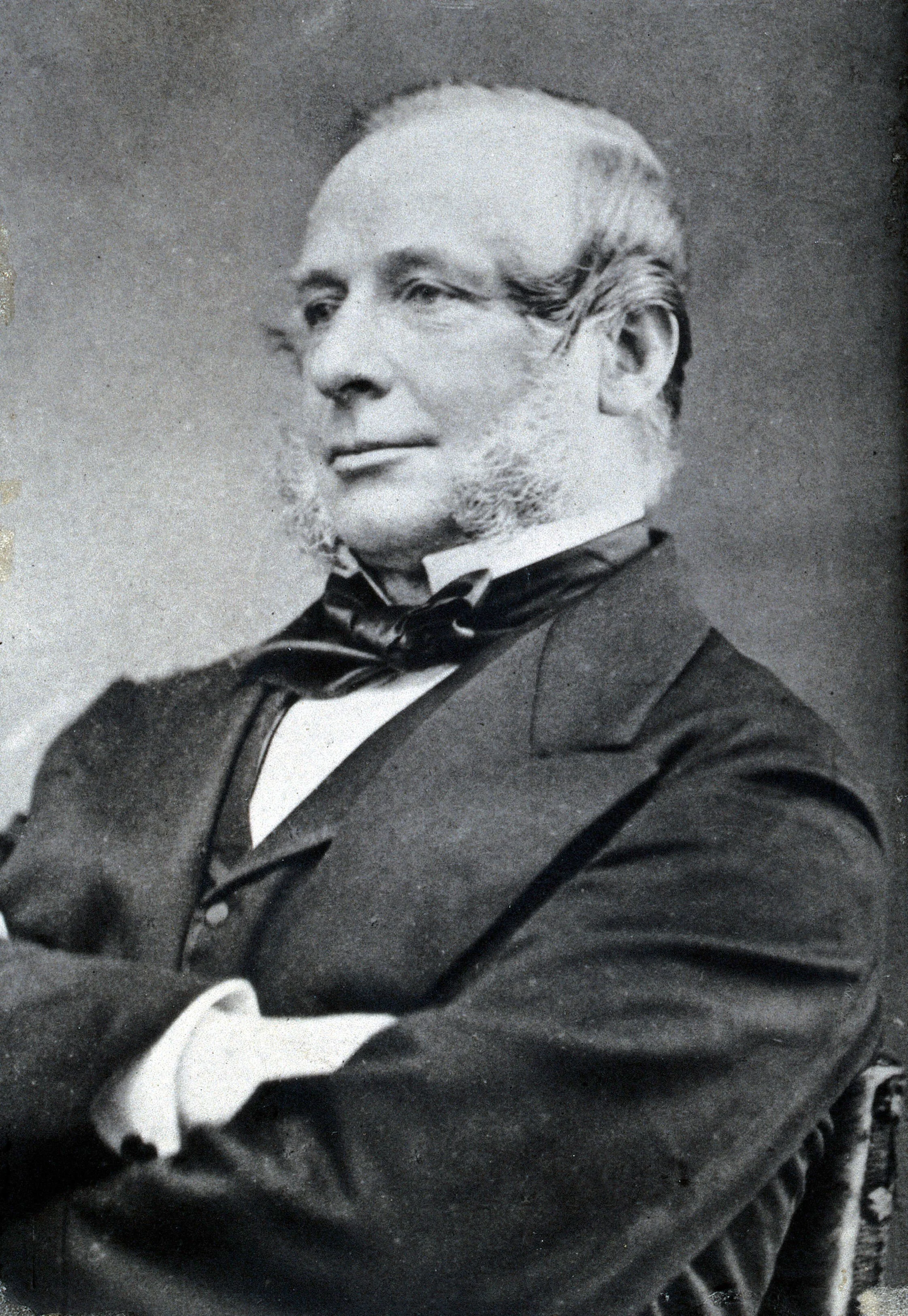
Francis Sibson. Photograph. Wellcome Collection. Source: Wellcome Collection.
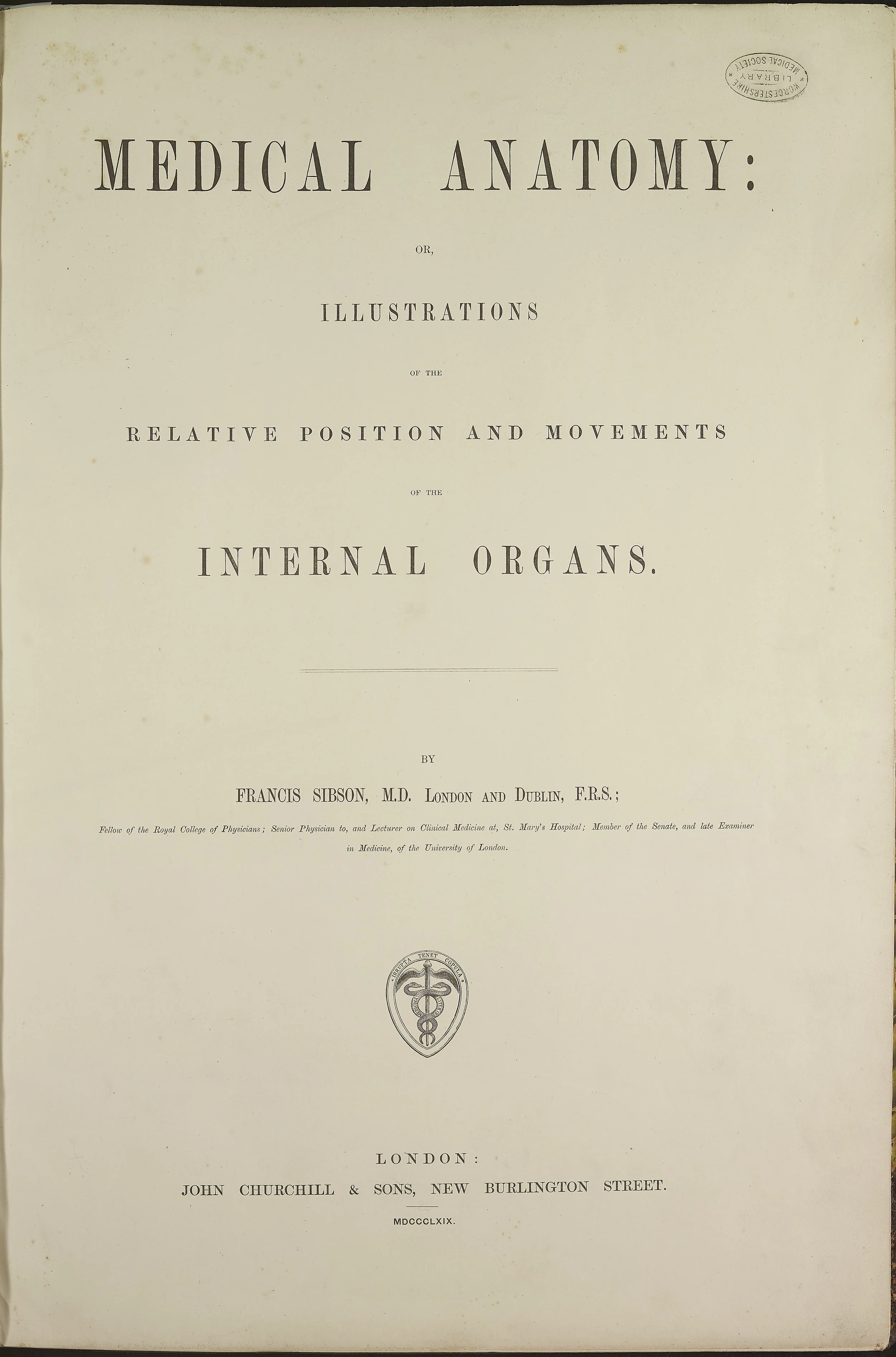
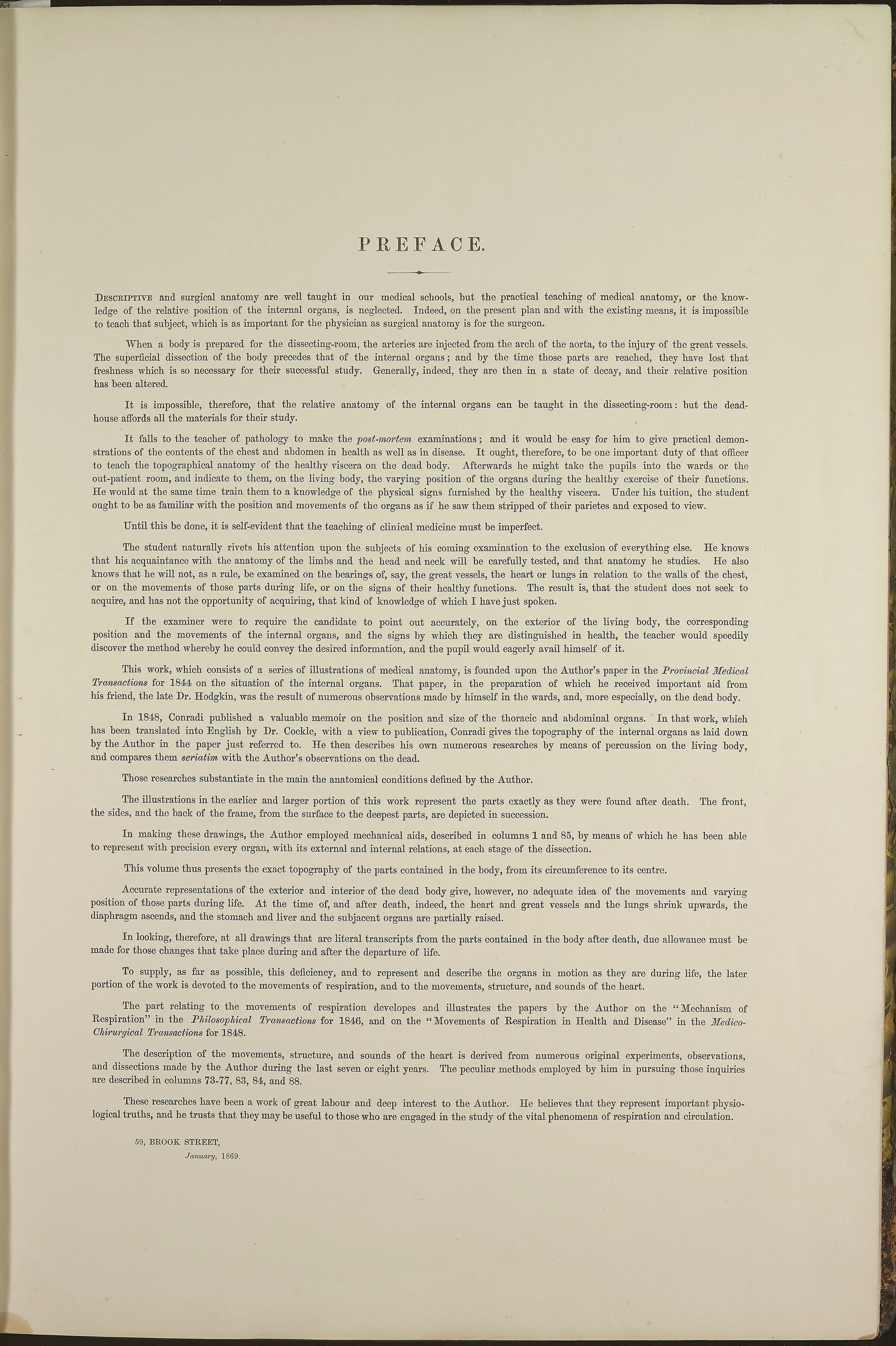
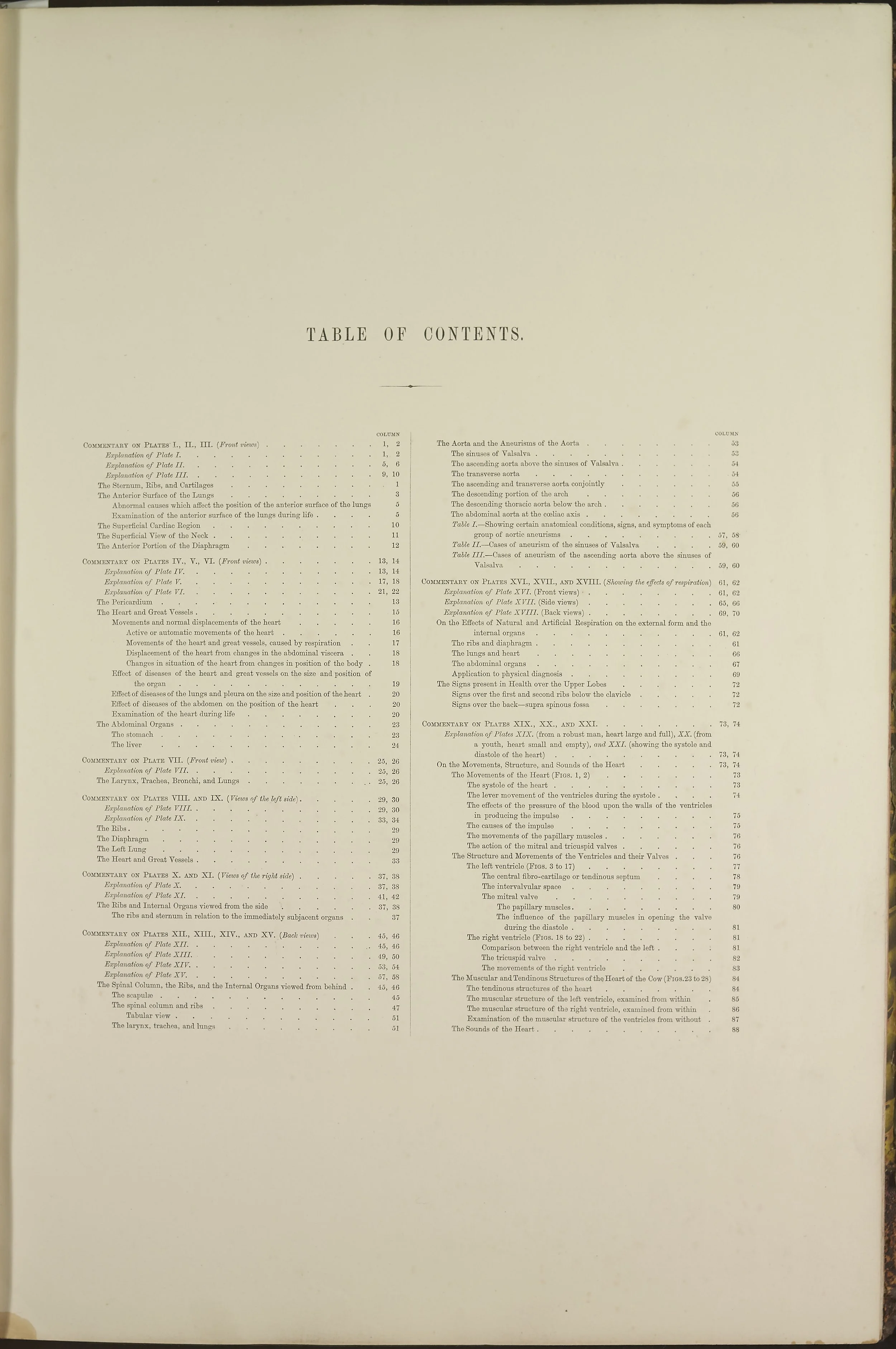
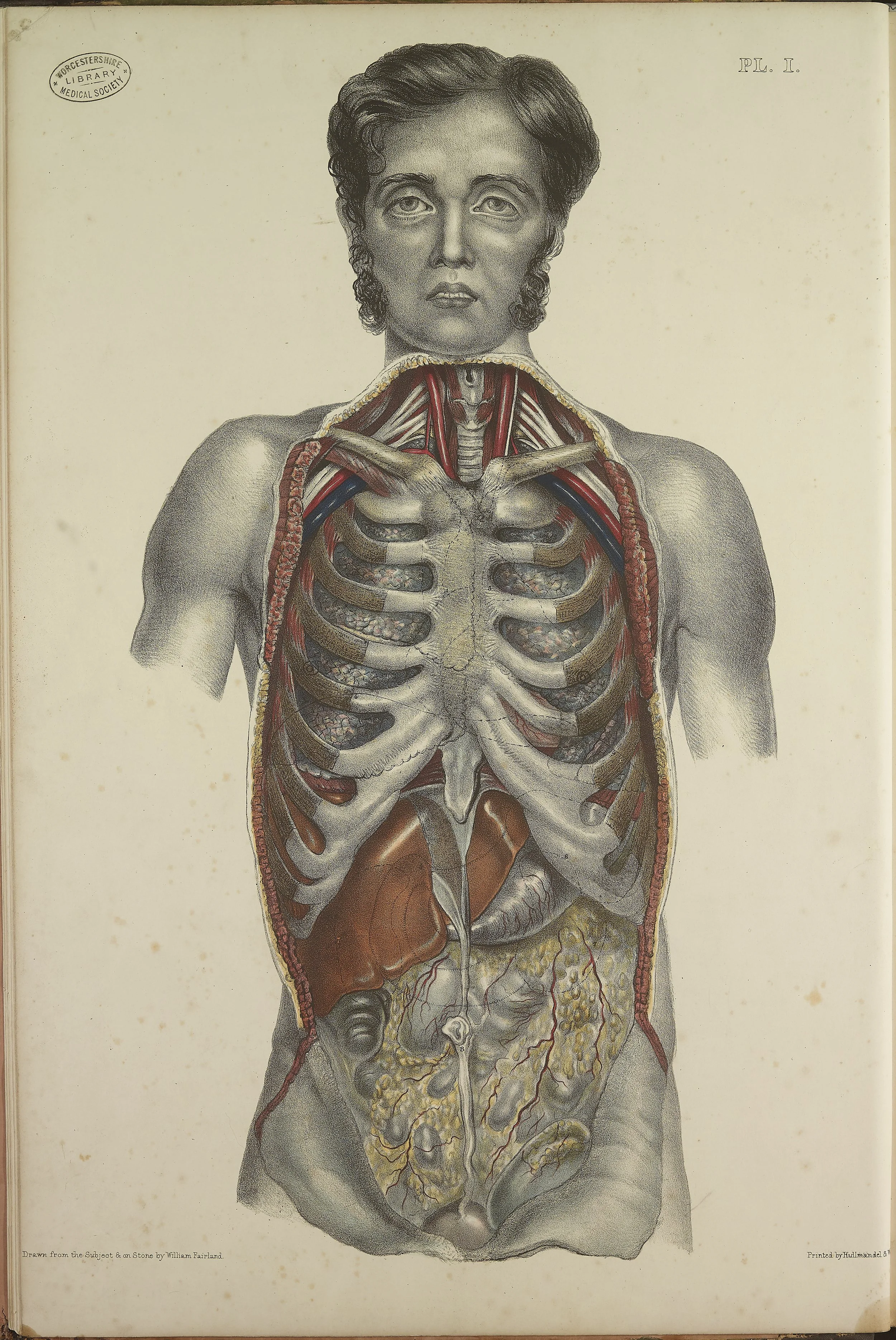
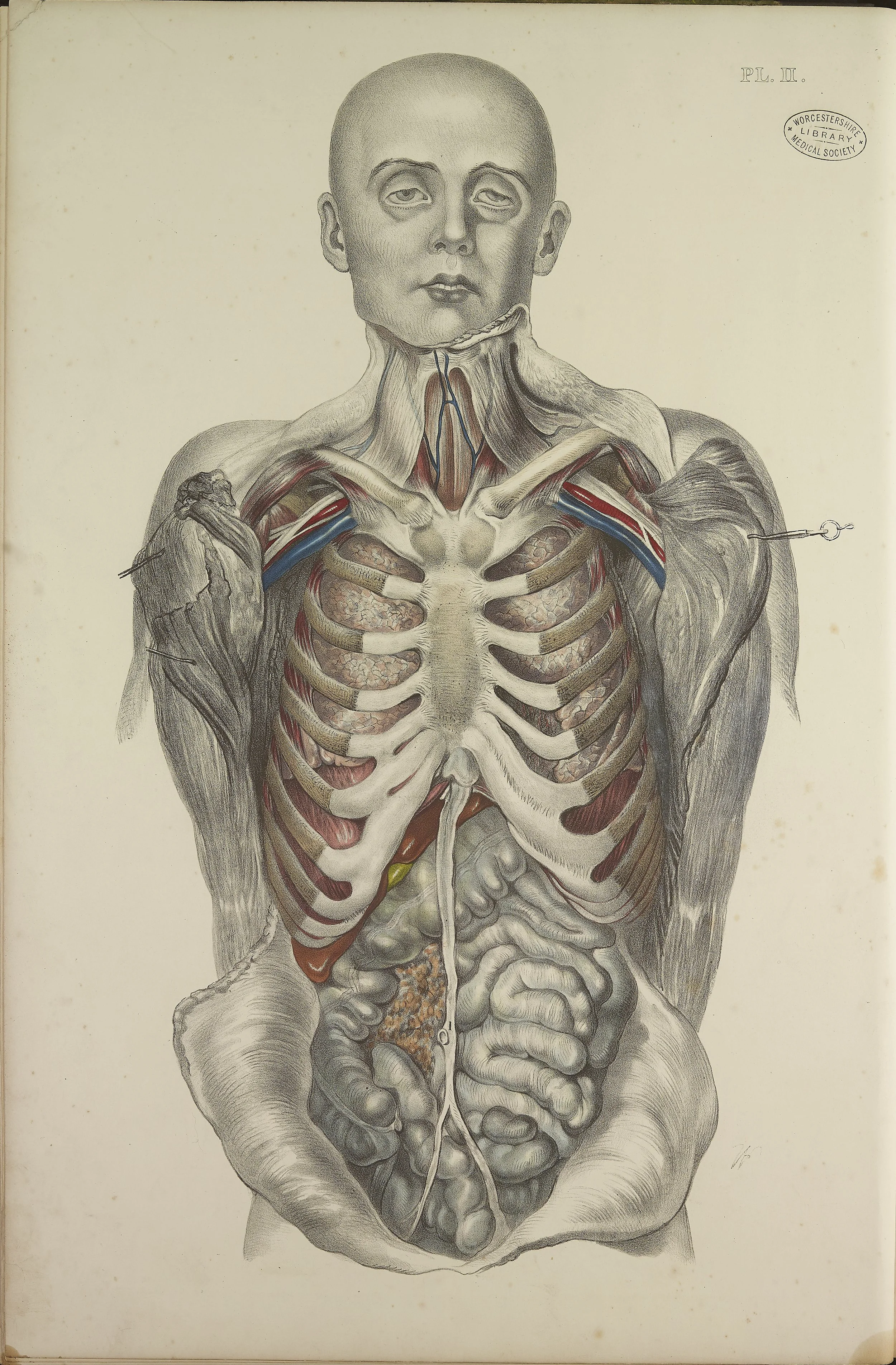
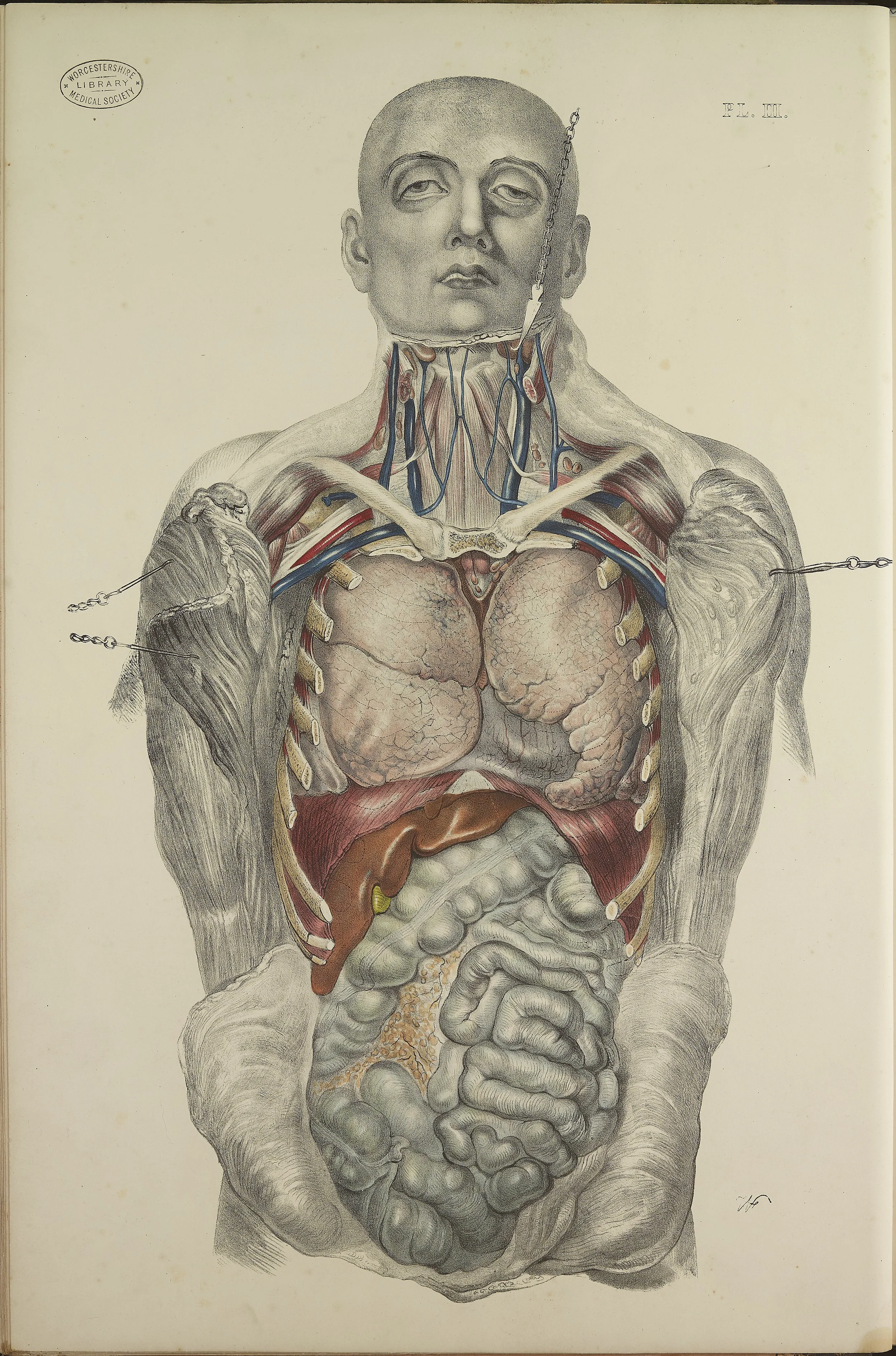
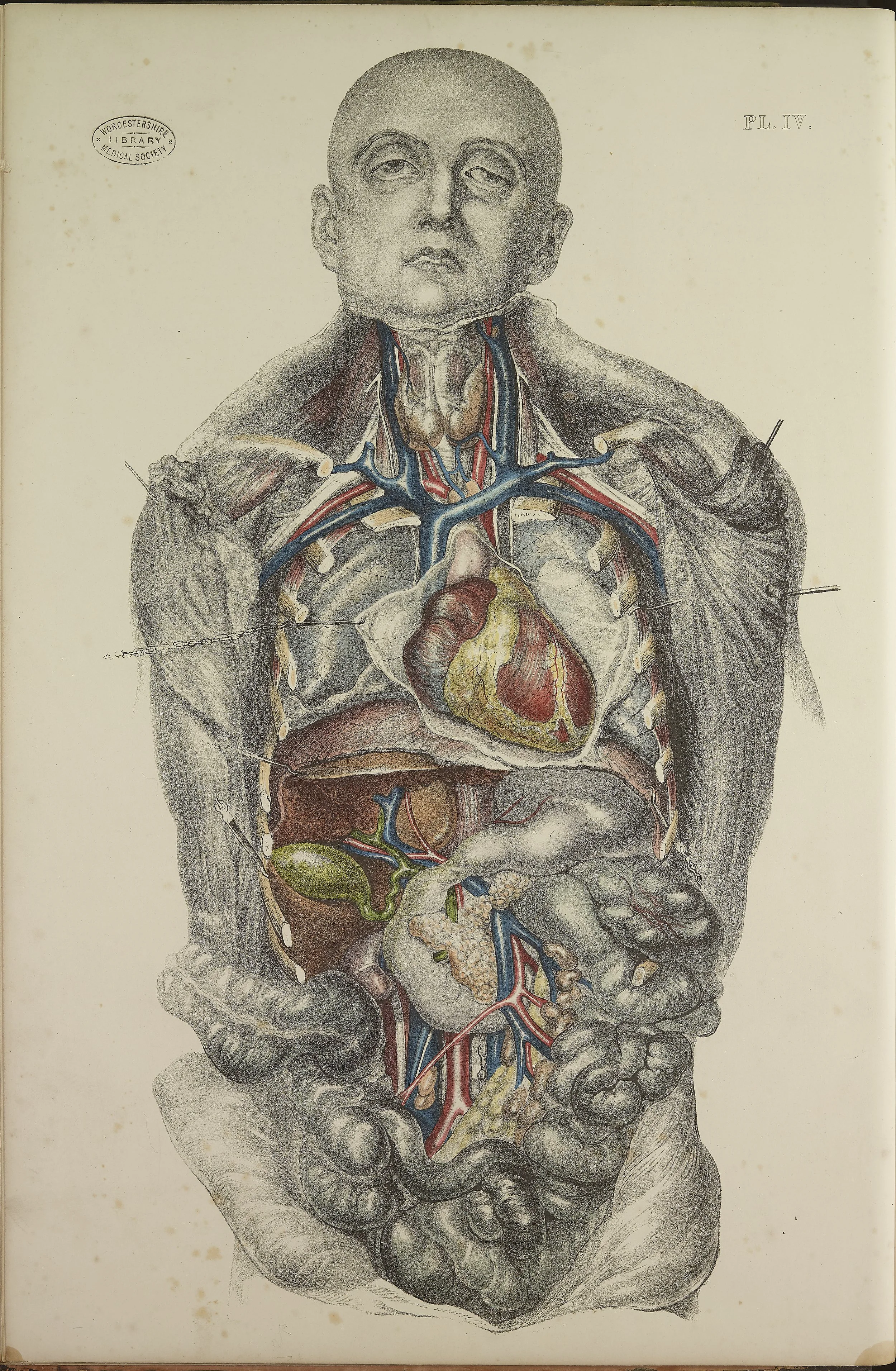
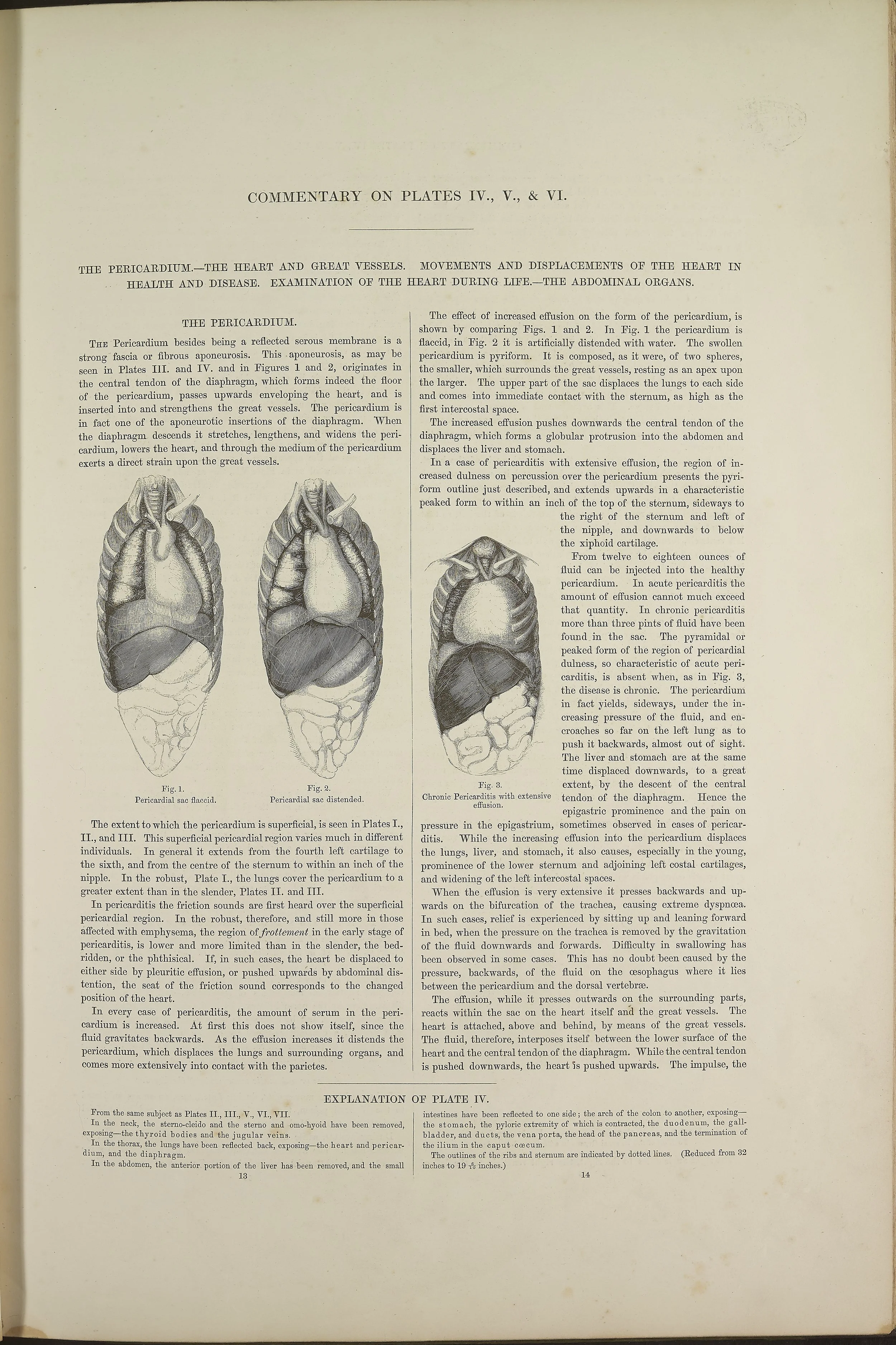
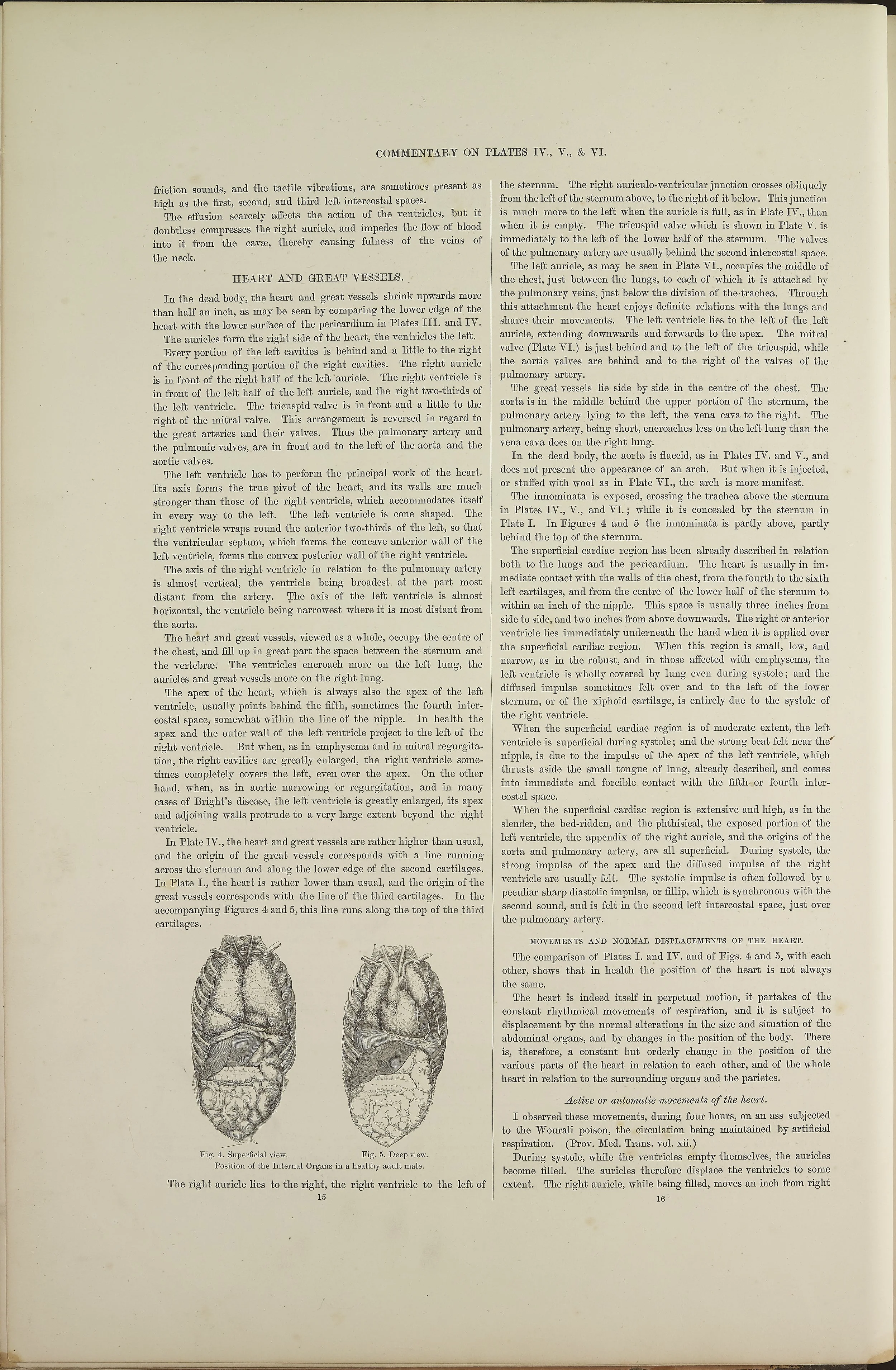
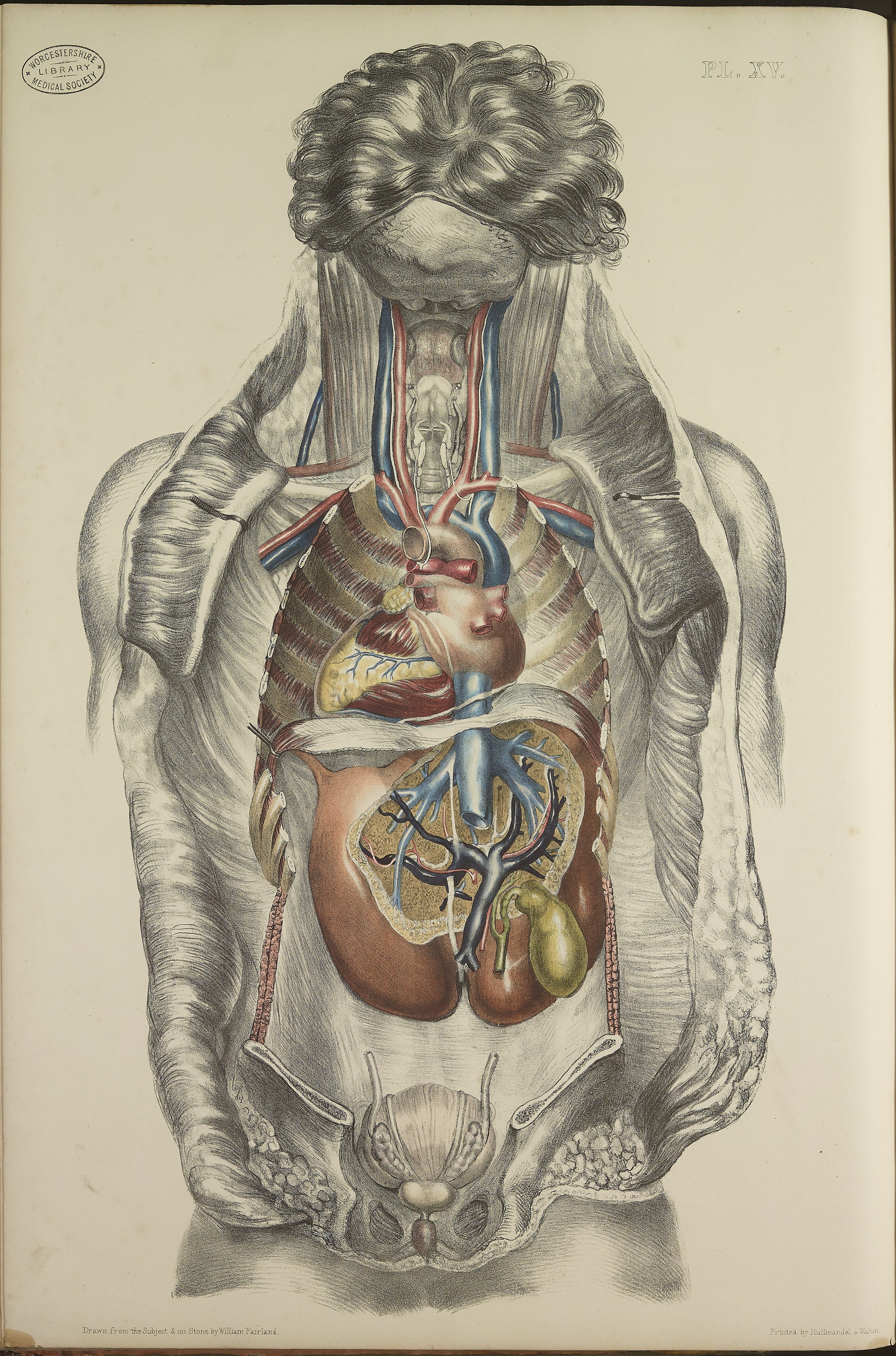
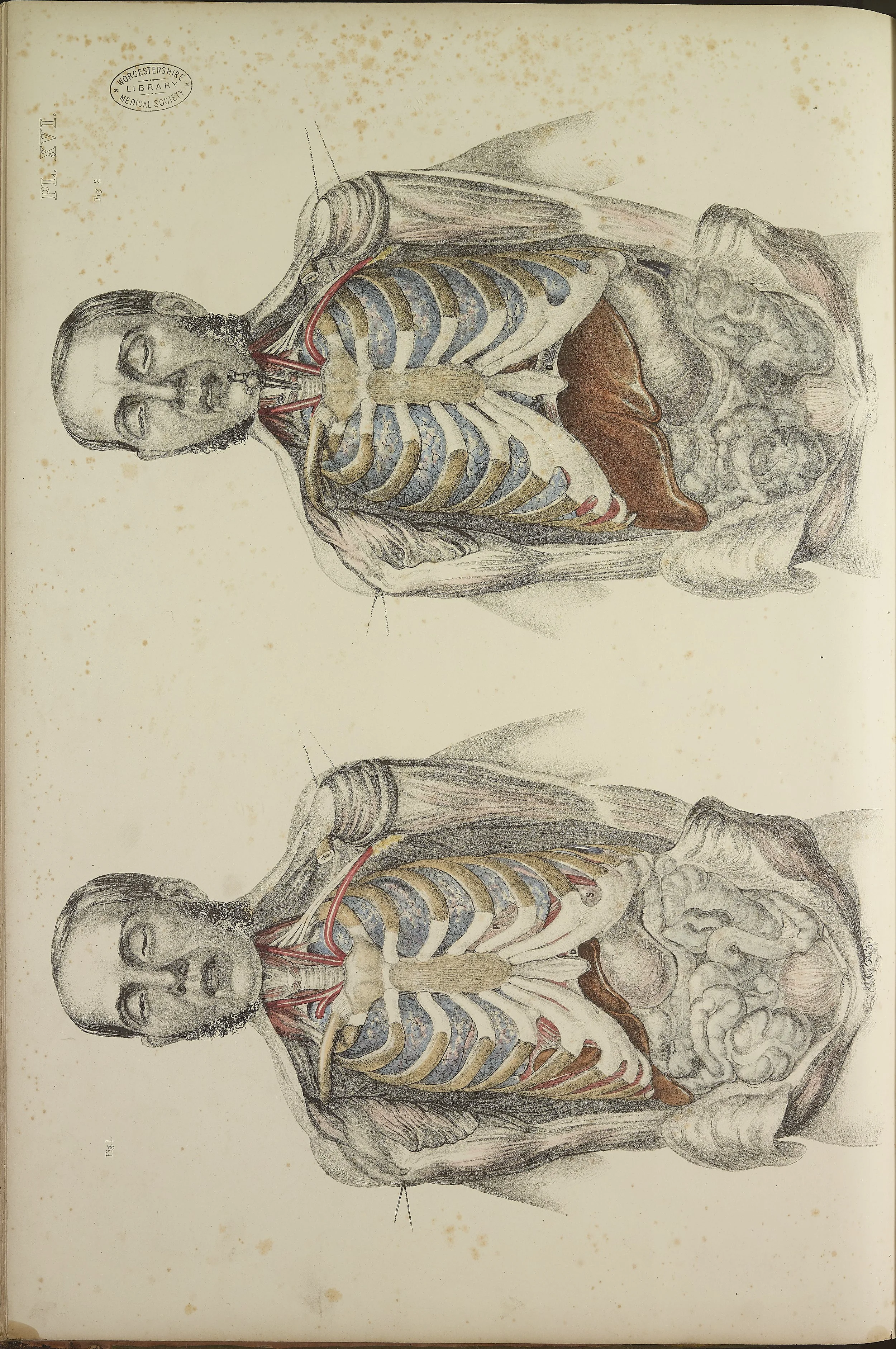
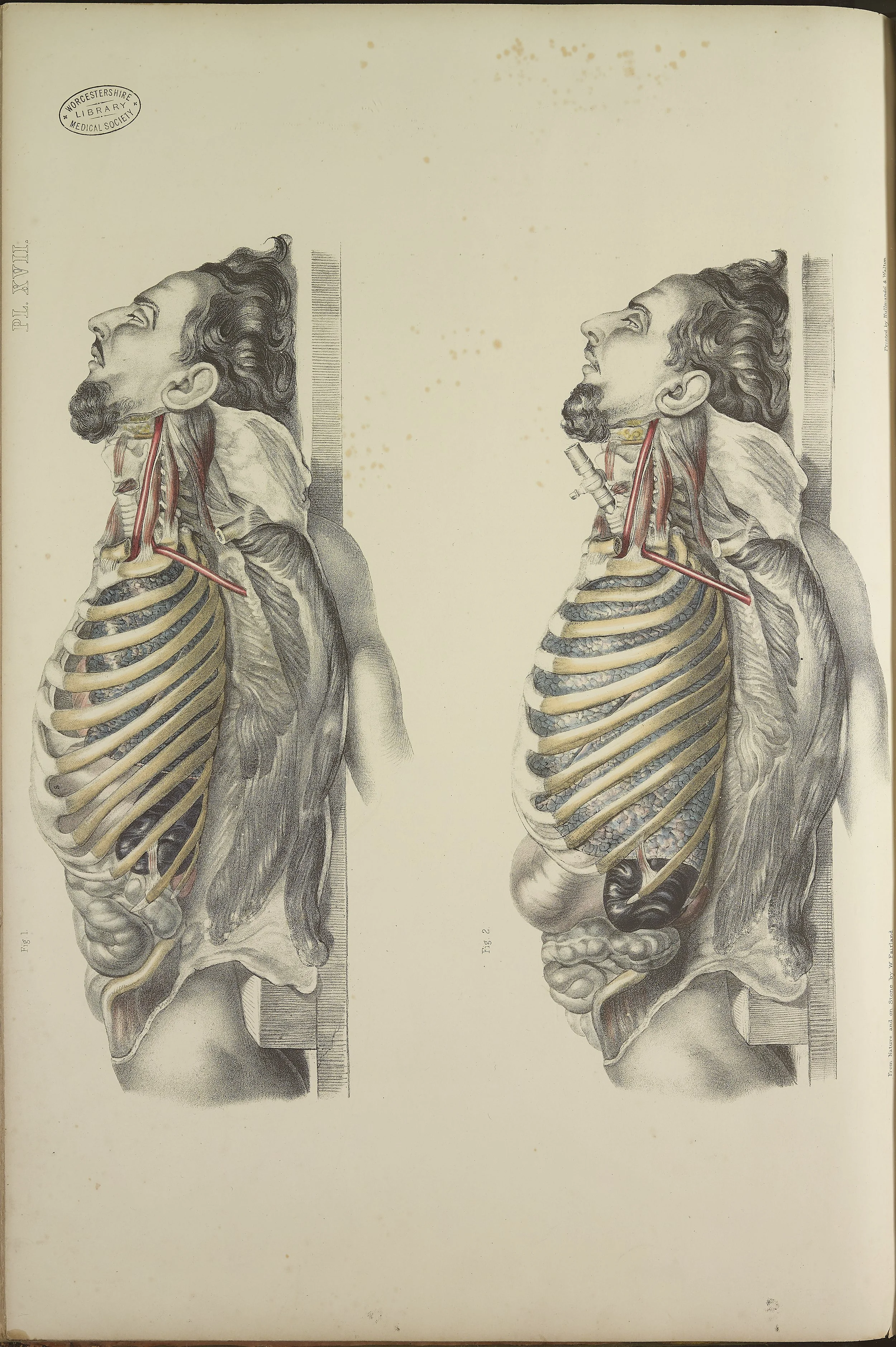
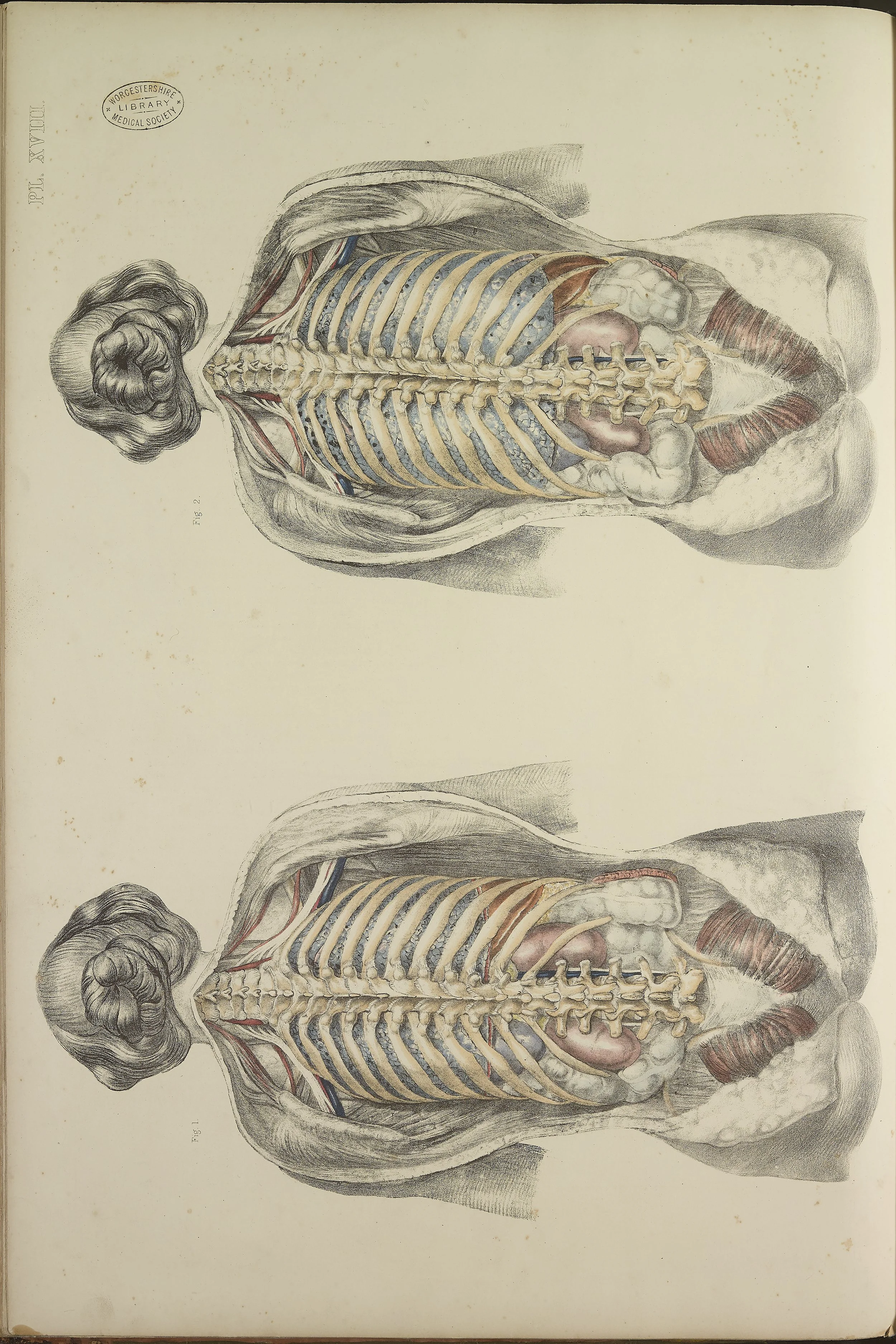
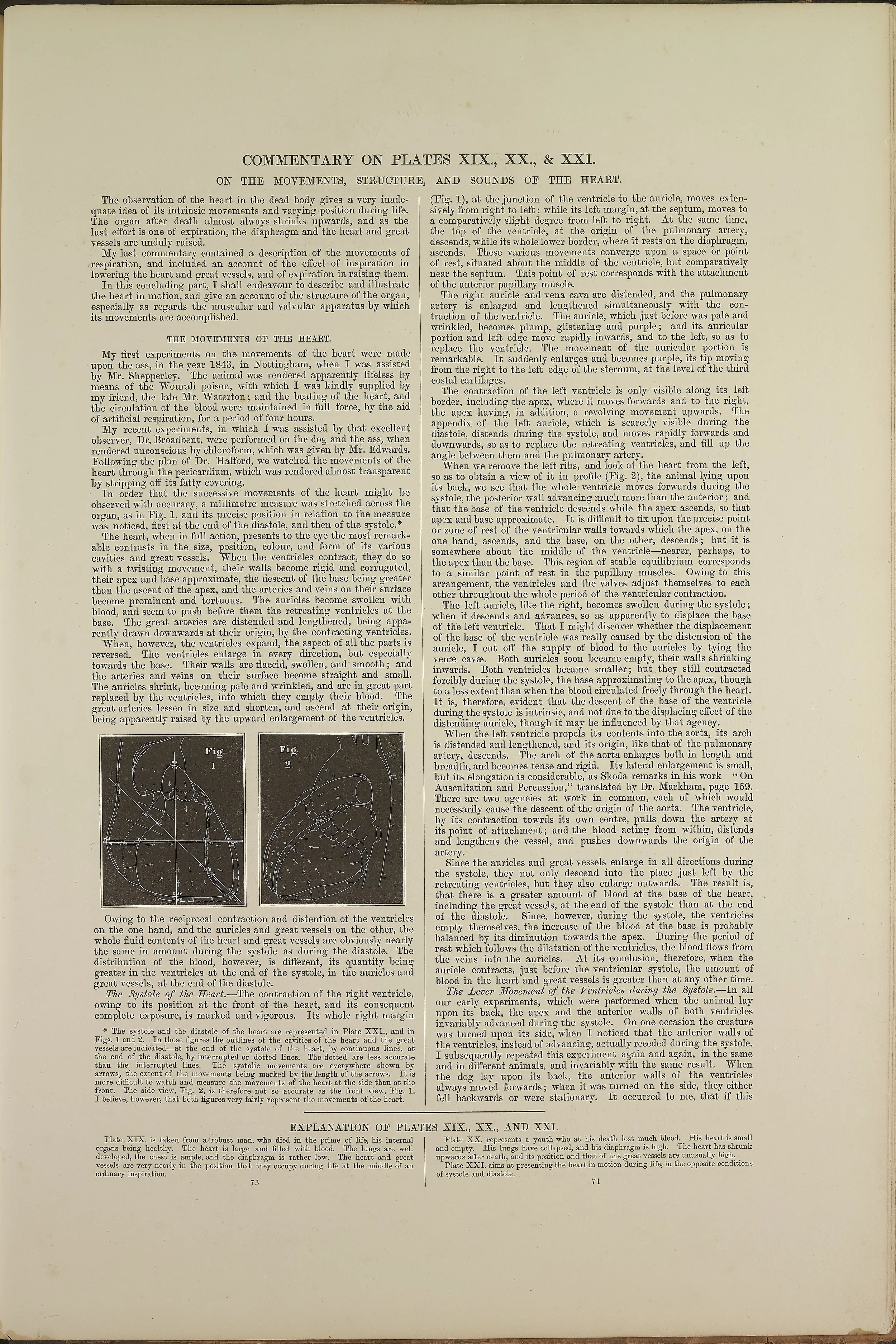
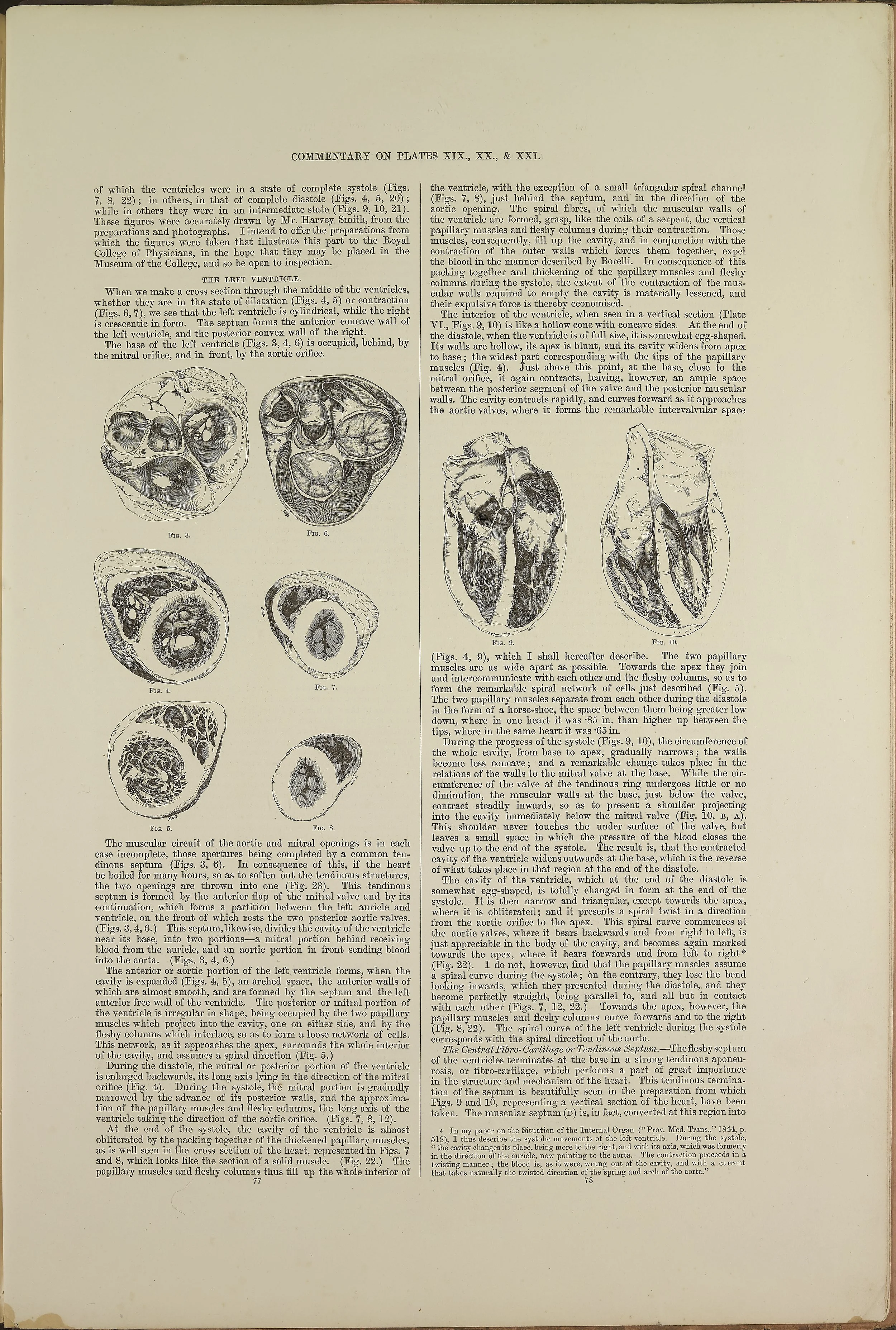
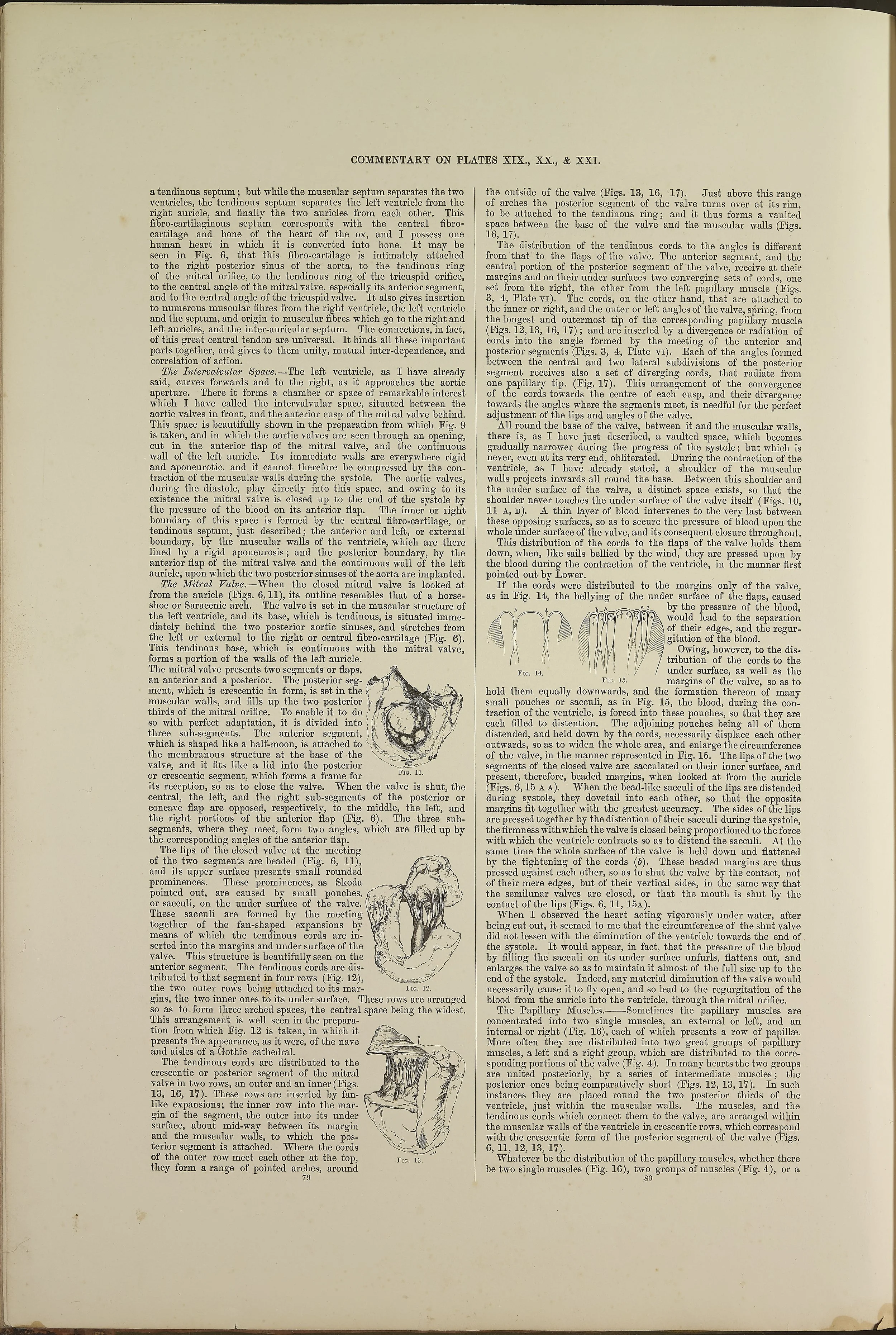
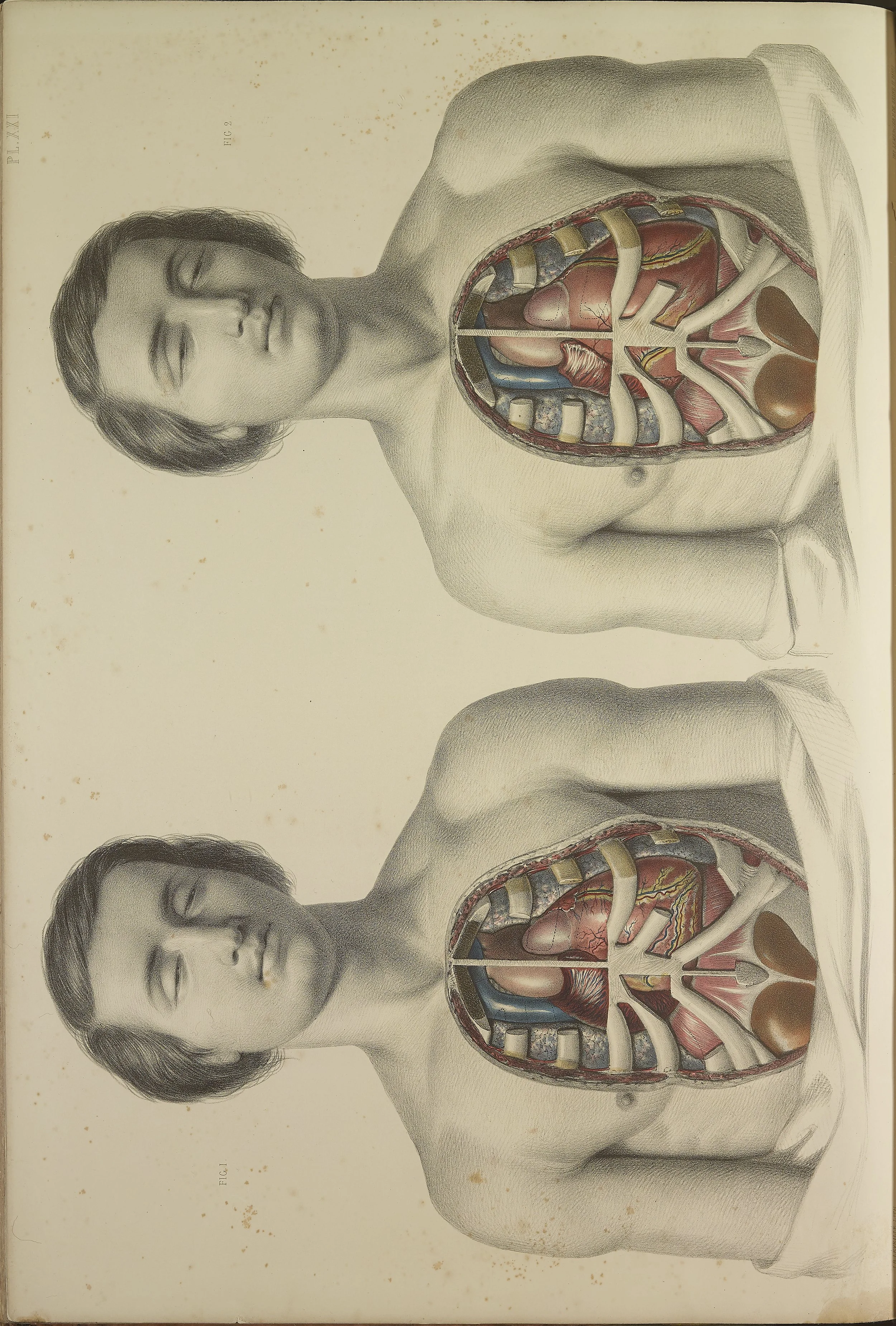
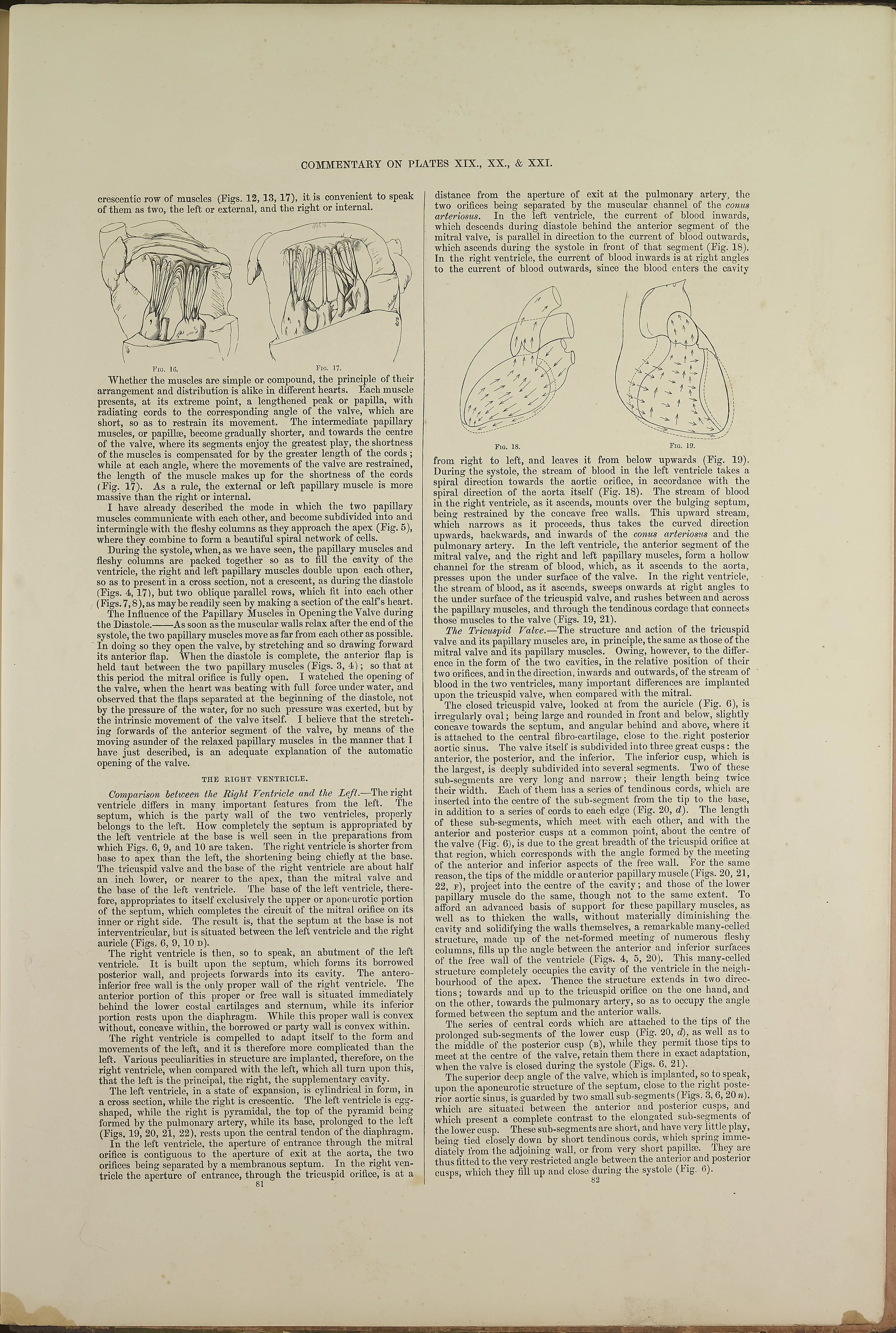
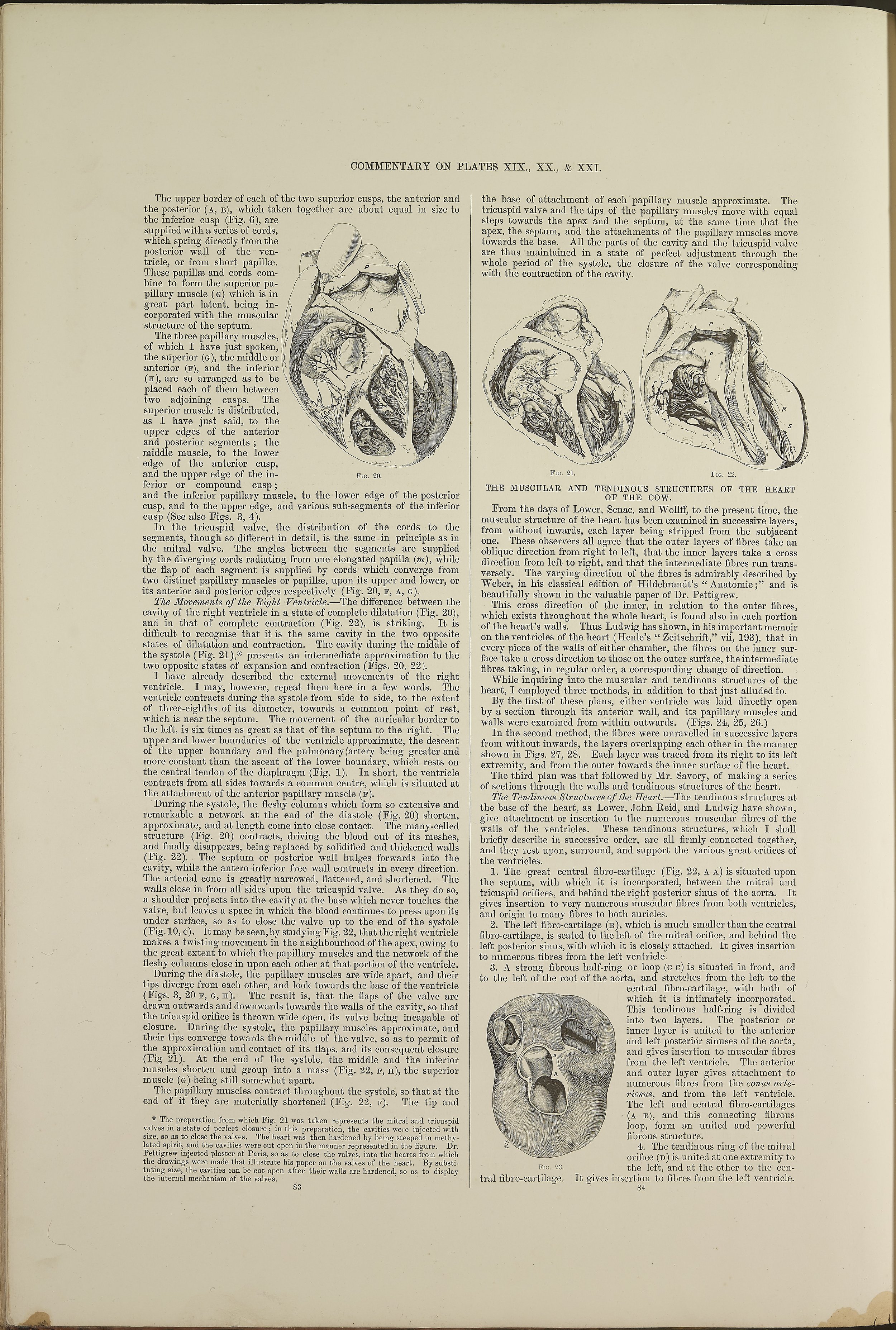
Medical Anatomy was based on his work at St. Mary’s Hospital. Sibson began writing the paper in 1855, and published it in 7 parts, finishing in 1869. In the preface for Medical Anatomy, Sibson lamented that whilst ‘[d]escriptive and surgical anatomy are well taught in our medical schools, […] the practical teaching of medical anatomy, or the knowledge of the relative position of the internal organs, is neglected’.
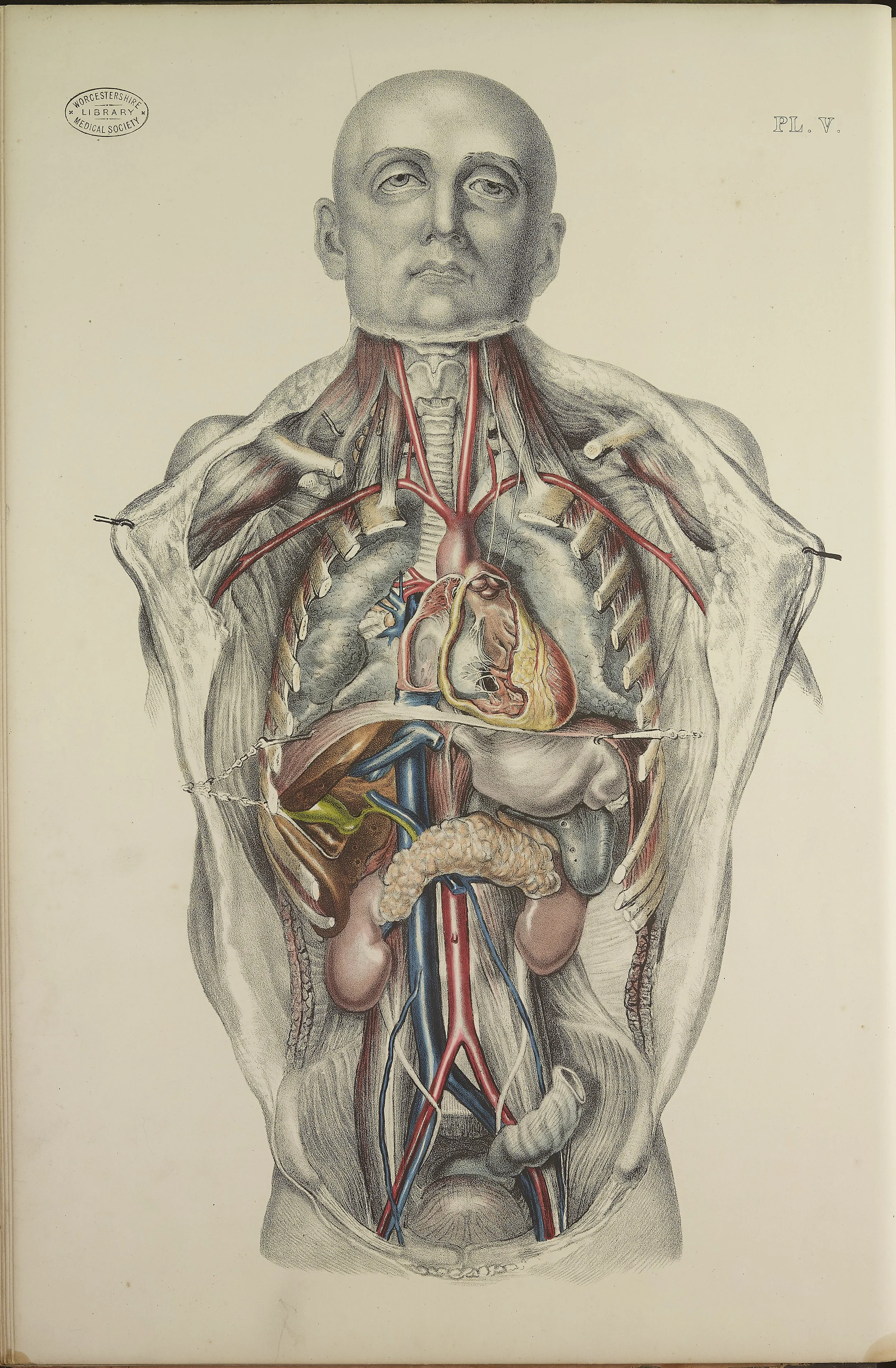
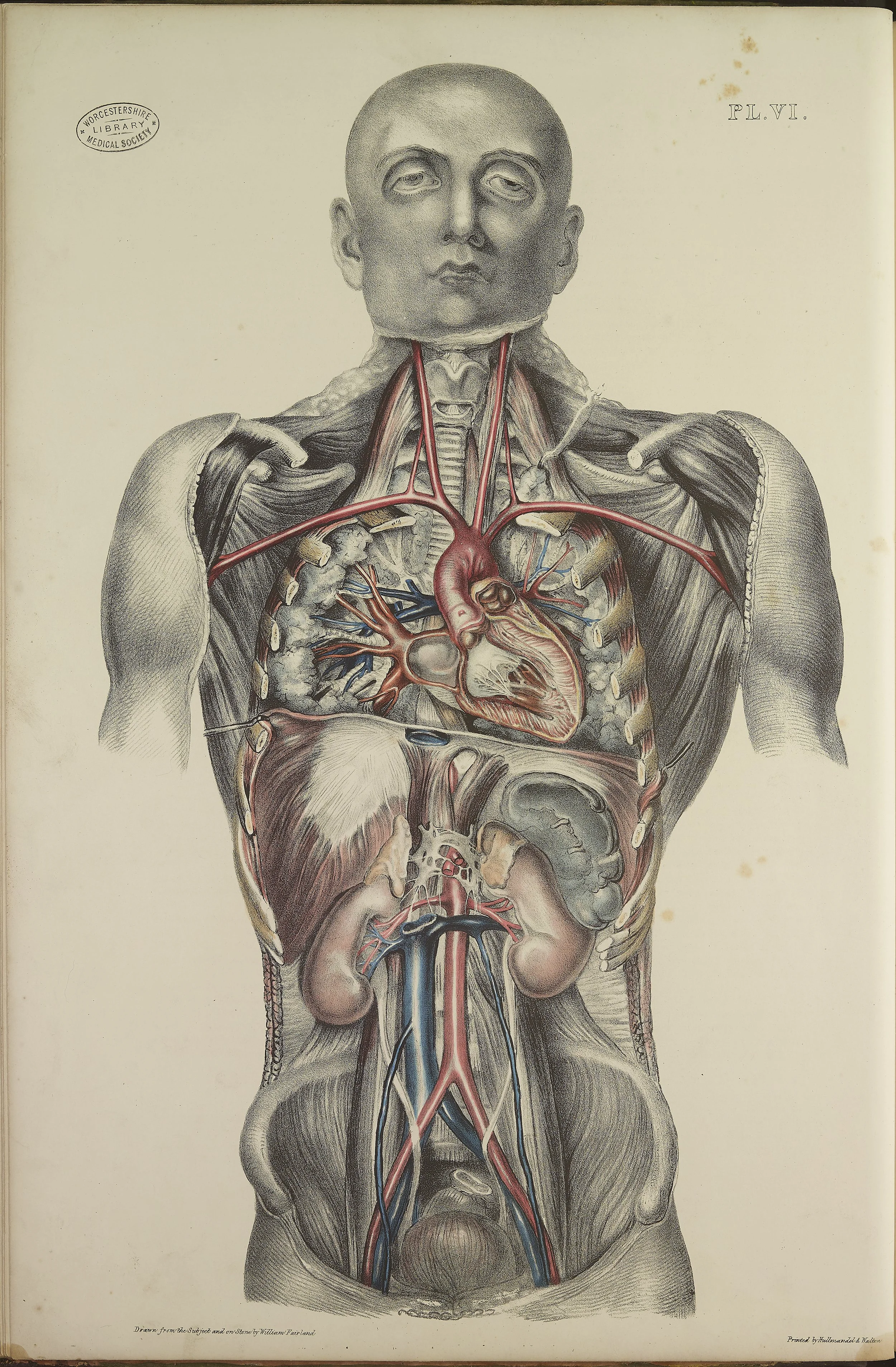
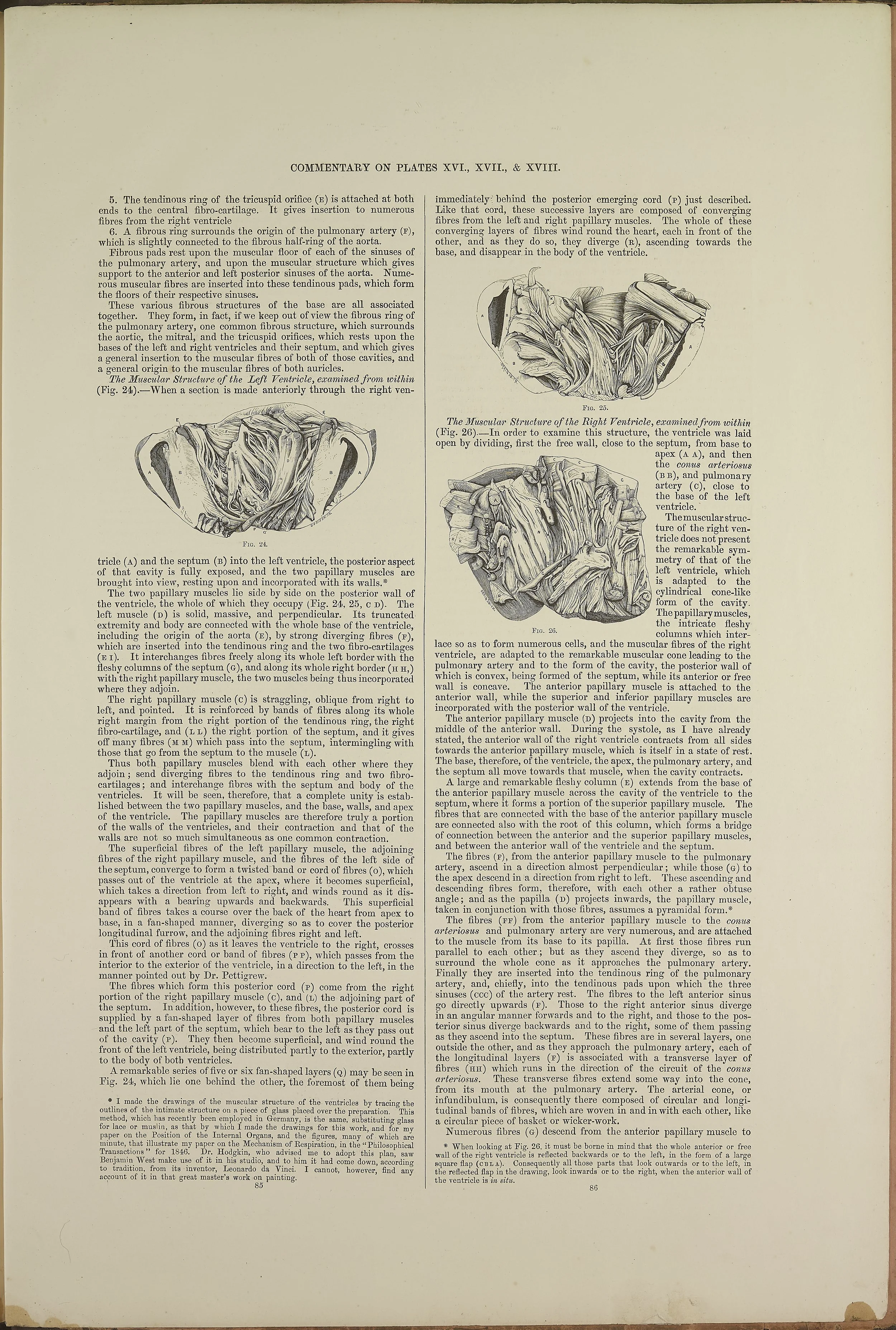
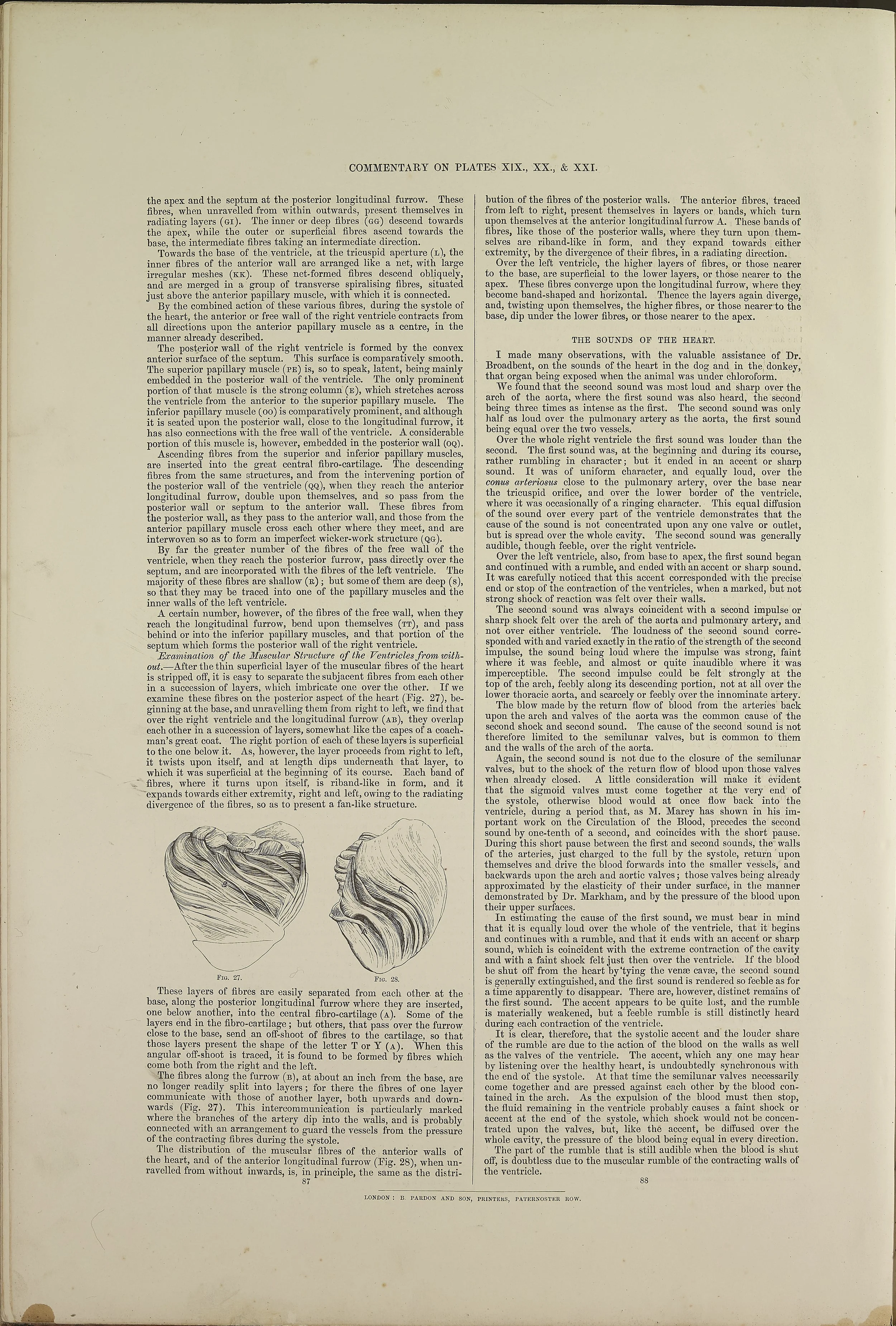
More detailed information about the creation of the drawings is given; Sibson writes that:
‘This and all the following Plates were taken from dissections made by myself. I took the outlines of the organs by the aid of a transparent tracing frame, suggested to me by Dr. Hodgkin, on the plan described in my paper on the Situation of the Internal Organs in the Prov. Med. Trans. For 1844. Those outlines formed the groundwork for the coloured drawings from the body, which, as well as the lithographs, were executed with untiring care by Mr. Fairland, under my close supervision. The lithographs have been carefully coloured, from the original drawings, by Mr Sherwin’.
Francis Sibson
Francis Sibson was born in 1814, in Crosscanonby, Cumberland, to parents Francis Sr. and Jane. After encountering economic hardships in 1819, Sibson’s father moved the family to Edinburgh. Francis’ mother and three of his brothers died within a short span of time, and he and his remaining brother Thomas were forced to work at a young age to support the family. Thomas Sibson studied painting in Munich, and later became a successful artist, before dying prematurely at the age of 27.
Francis married wife Sarah Mary Ouvry in 1858, who came from a well-known Huguenot family, who moved to England in the 17th century and established a significant silk-weaving industry. Sarah’s brother Frederic was a lawyer and antiquary, and he acted for Charles Dickens during his separation from his wife. Francis and Sarah had no children.
Sibson studied in Edinburgh, apprenticed to John Lizars, and received his degree in 1831. During the cholera epidemic, he treated cholera patients in Edinburgh. He briefly set up a general practice in Cockermouth, but soon after moved to London, studying at Guy’s Hospital and St Thomas’ Hospital, qualifying as a licentiate of the Society of Apothecaries (LSA) in 1835. After this, he was employed as resident surgeon and apothecary to the Nottingham General Hospital, but returned to London and received his MB and MD in 1848. He became a Fellow of the Royal Society (FRS) in 1849. Unlike many of his contemporaries, Sibson opposed the inclusion of women in the medical profession, and argued against the admission of women to medical degrees at the University of London and St Mary’s Hospital. He joined the British Medical Association in 1843, and gave various papers. He attended annual meetings in Worcester, and was appointed a member of a committee alongside Sir Charles Hastings in 1849.
An 1881 compilation of Sibson’s work by William Miller Ord gave more information about Francis Sibson as a surgeon, but also as a person.:
‘In appearance Dr Sibson was fair of complexion, above the middle height, broad shouldered and athletic. He walked always with his head thrown forward and shoulder back; a long, swift, swinging stride carried him quickly over the ground; and, mostly, he was so involved in thought as to be little conscious of things near him. He was an early riser, being, in the later years of his life at least, accustomed to go out for a walk at six or seven o’clock in the morning, winter and summer.’
Sibson was also acknowledged to be a collecter of Wedgwood porcelain, as well as a keen alpine climber. It was on a visit to Switzerland that Sibson met his end, dying on 7 September 1876, at the Hotel des Bergues, as a result of an aortic aneurysm.